


 Platinum
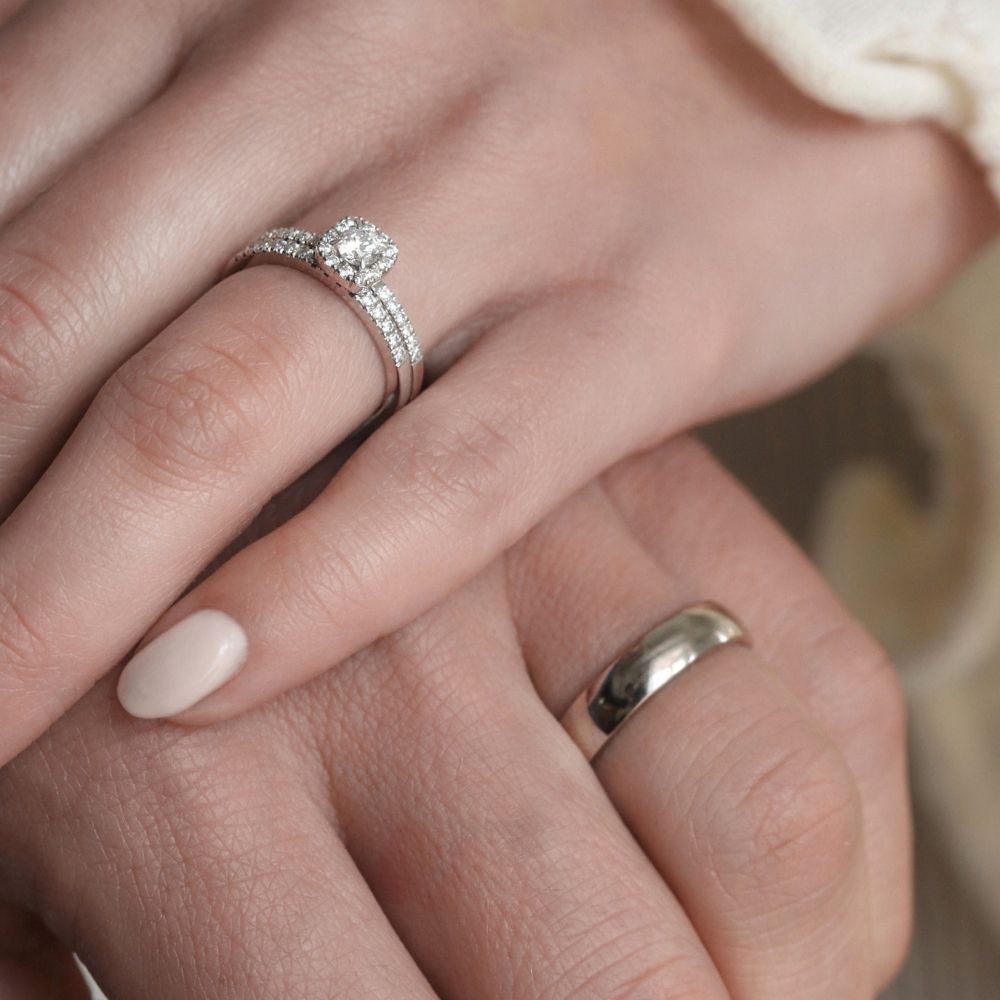
 White gold
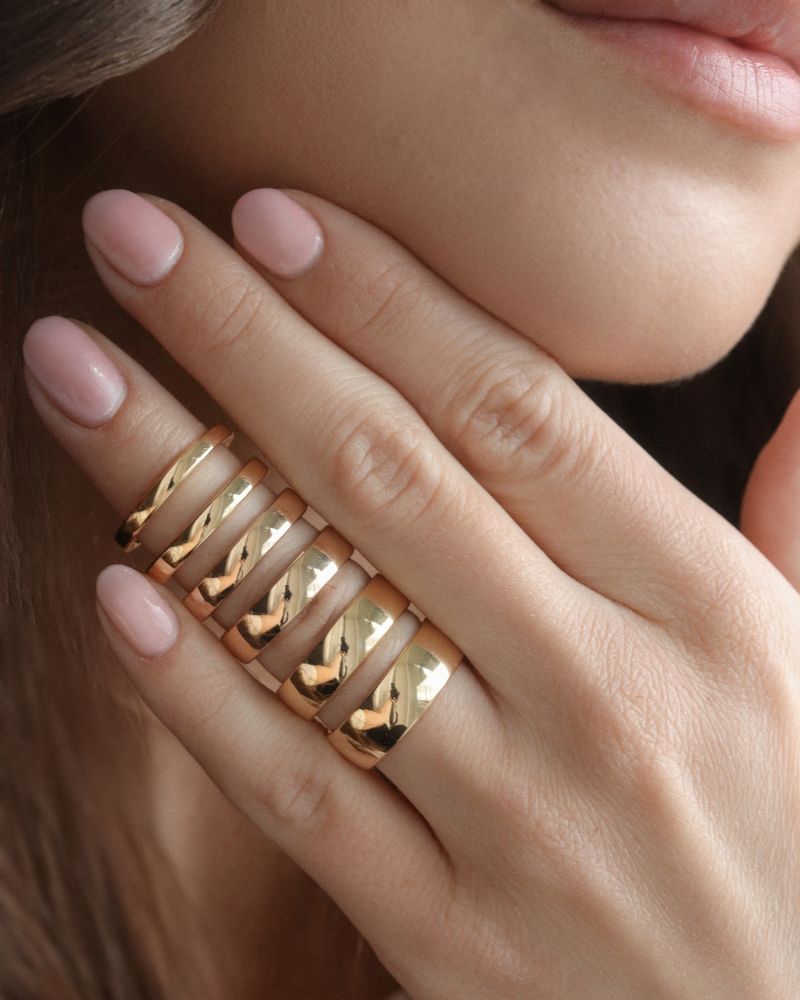
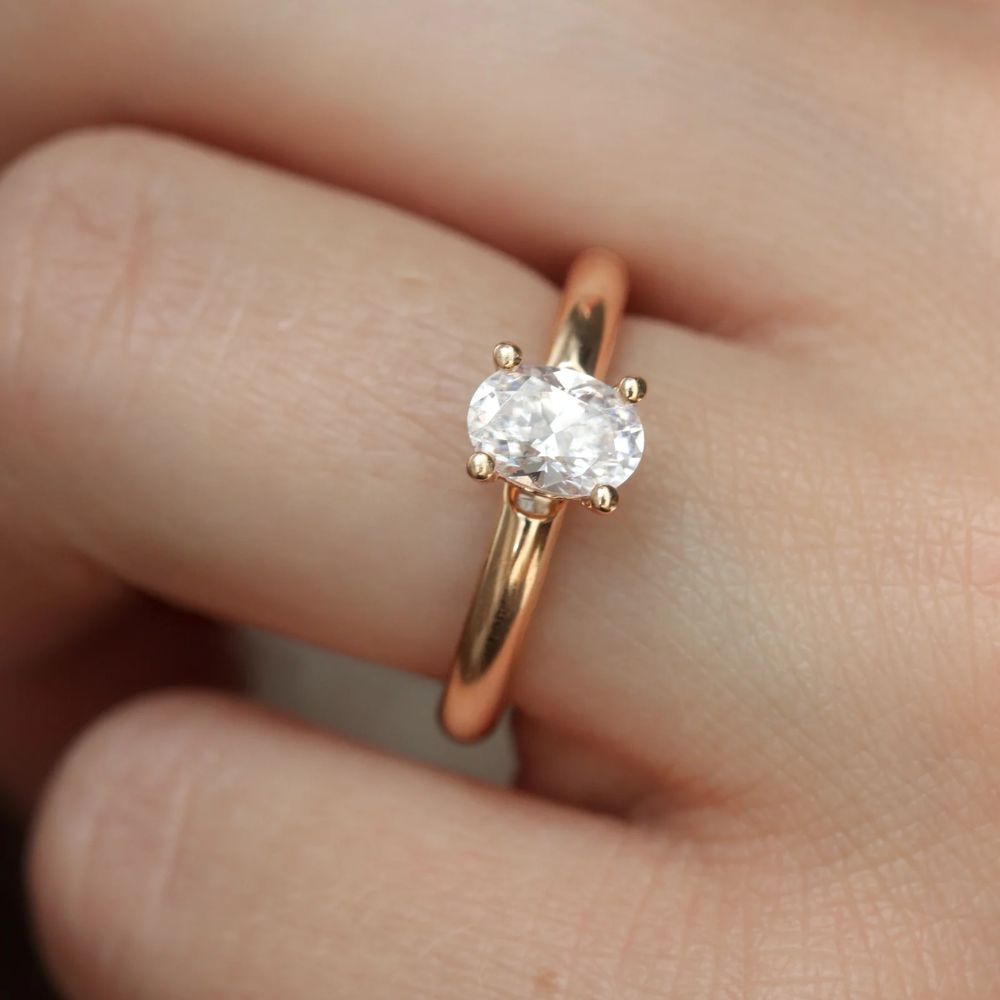
 Yellow gold
 Red gold
 Rose gold
 Silver
 Titanium



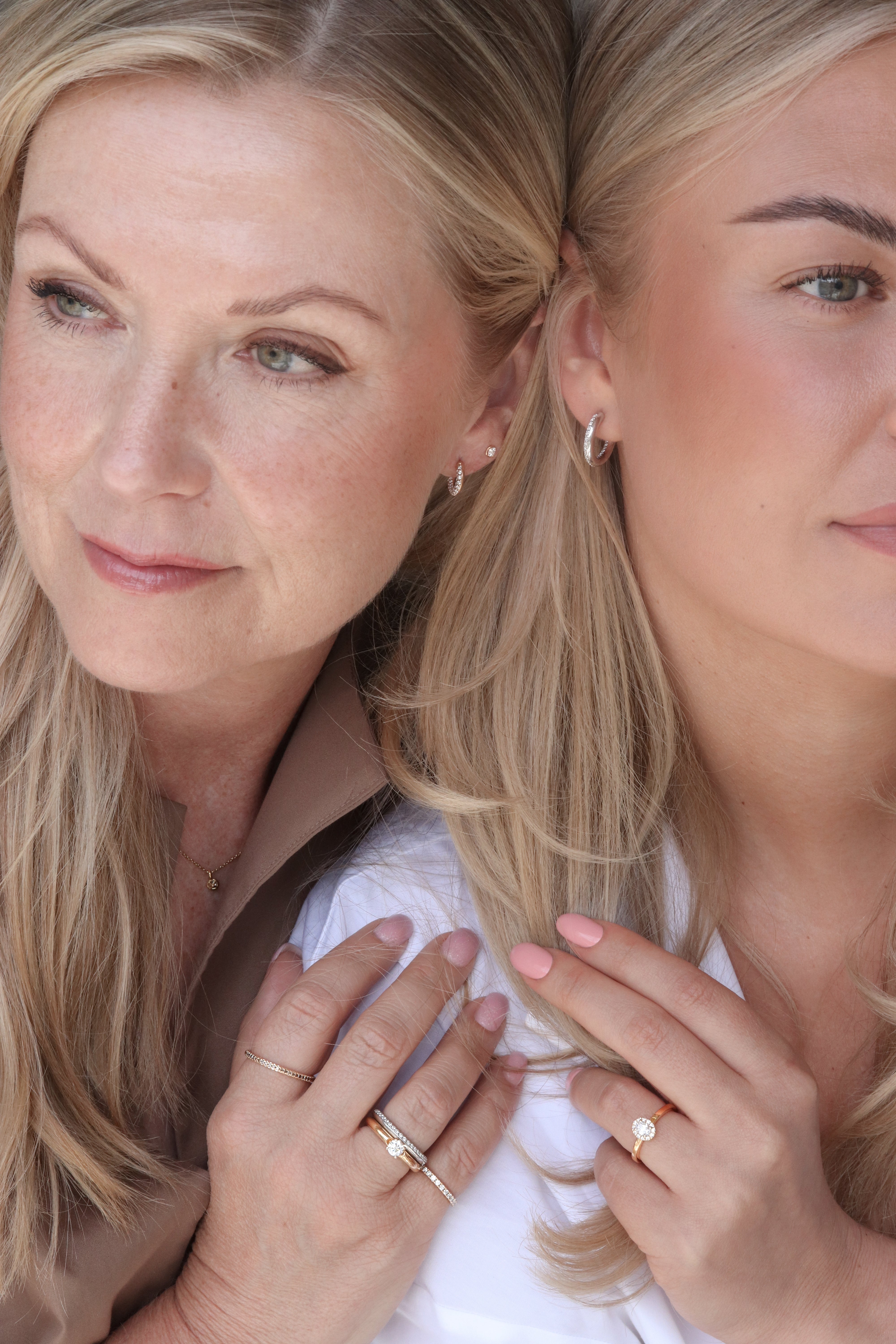
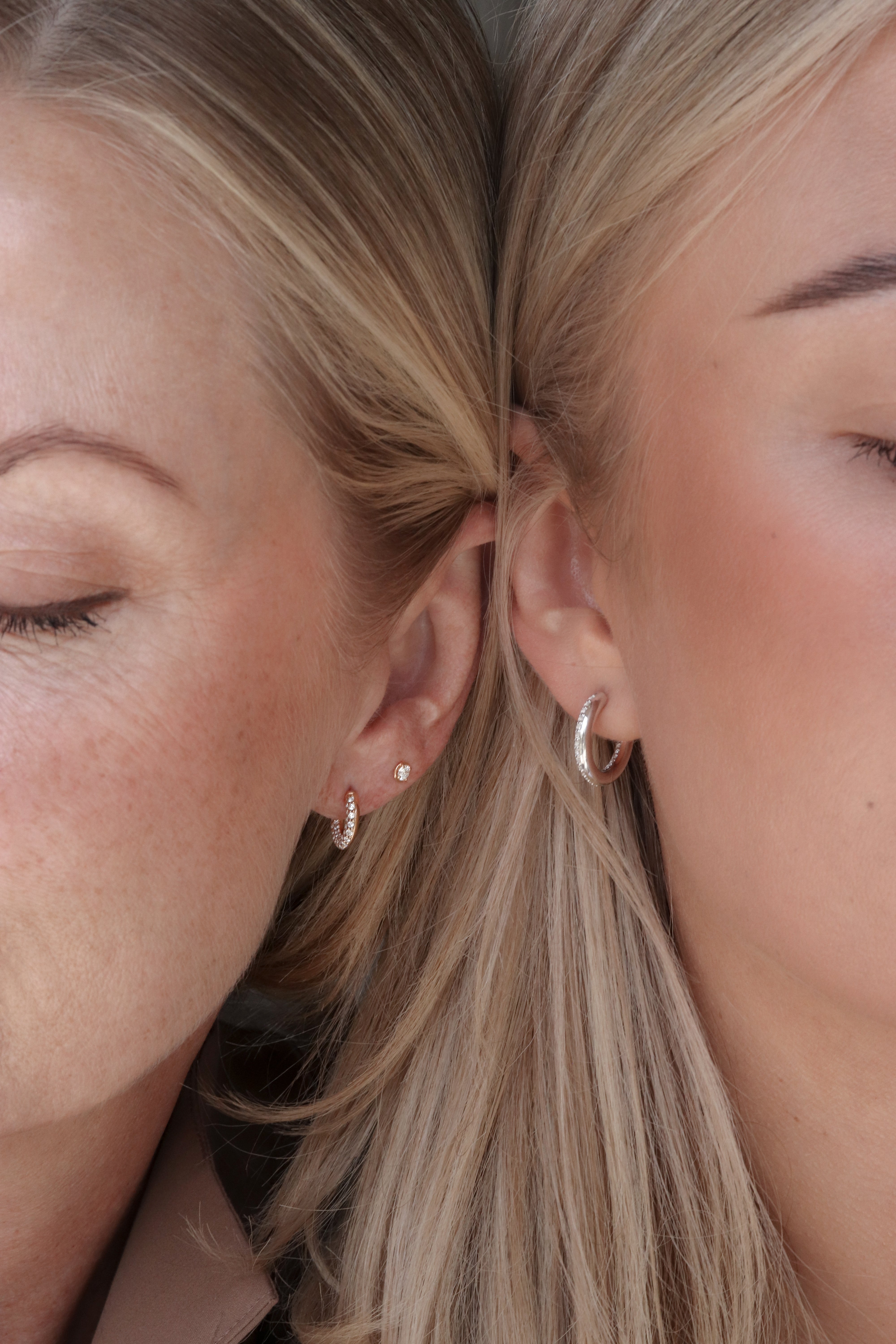
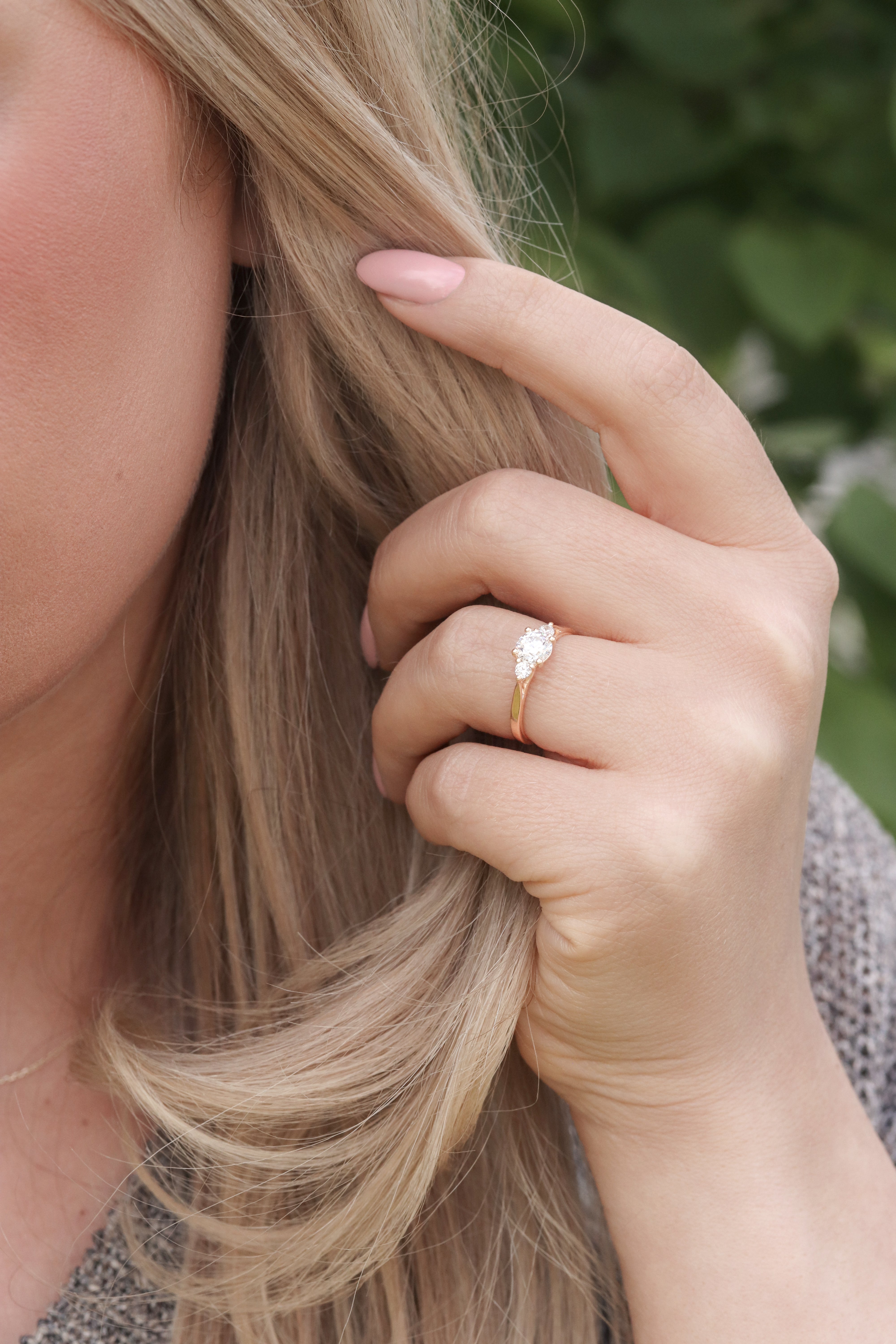
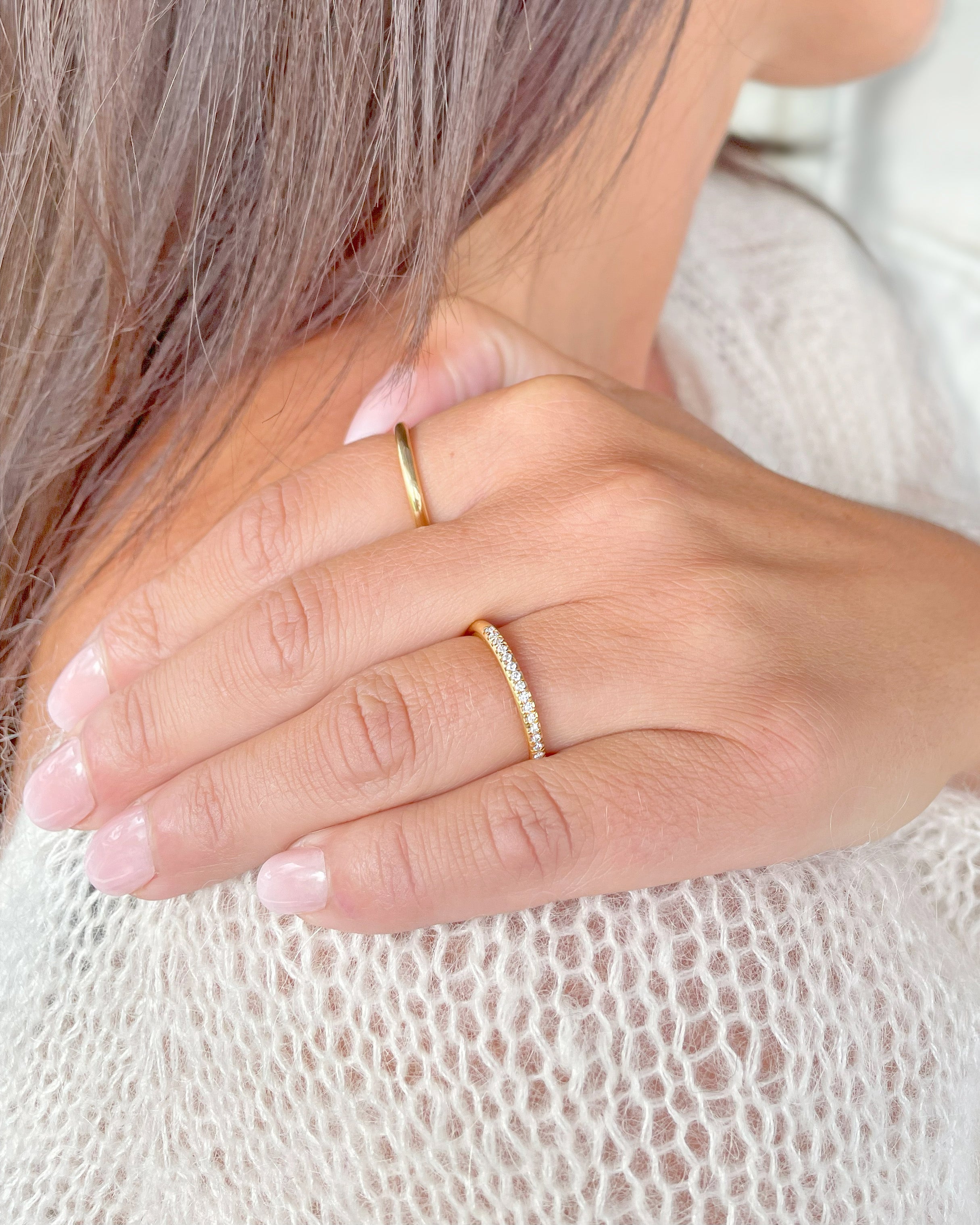
Guide to Precious Metals
Date: 2026/07/07Choosing a ring is about more than just design and shape. The metal affects the look, feel, and how the ring will be worn throughout life. For many, it's one of the first decisions when choosing a wedding ring or engagement ring – and one of the most important.
At Schalins, we work with carefully selected precious metals that combine beauty, quality, and durability. Here, we'll guide you through the options we offer and help you understand the differences.
What does carat mean?
Pure gold is 24 karats and is too soft to be used in everyday jewelry. Therefore, gold is mixed with other metals to form an alloy.
The amount of pure gold is indicated in karats:
- 24 karat (24k) – 99.9% pure gold (1000/1000)
- 18 karat (18k) – 75% pure gold (750/1000)
- 14 karat (14k) – 58.5% pure gold (585/1000)
When you see the stamp 750 in a ring, it means that it contains 75 percent pure gold, which corresponds to 18 karats.
At Schalins, we manufacture our gold rings in both 18 and 14 karats, depending on the model and preferences.
18 or 14 carat – what's the difference?
Both 18 and 14 carat are real gold, but they differ in both color and properties.
18 carat gold – the Swedish classic
18 carat is the most common alloy for wedding and engagement rings in Sweden. Its high gold content gives it a deep, warm color while the metal retains its exclusive feel.
Advantages:
- High proportion of pure gold.
- Warm and rich color tone.
- Classic and exclusive feel.
The traditional choice for wedding and engagement rings in Sweden.
14 carat gold – a slightly harder alternative
14 carat contains a larger proportion of other metals, which makes the alloy slightly harder.
Advantages:
- More resistant to everyday wear and tear.
- Slightly lighter color tone.
- A popular choice in most European countries.
Both 18 and 14 carat are excellent choices for rings to be worn every day. It mainly comes down to which color, feel, and tradition appeals to you most.
Red gold – Sweden's most beloved gold color
Red gold is the classic gold color in Sweden, Finland, and Denmark. The high copper content gives it the classic, warm reddish-yellow tone that is unique to Swedish jewelry making.
In 18 karat red gold, the alloy consists of:
- 75% gold
- 17% copper
- 8% silver
Red gold is equally suitable for traditional and modern rings and has a timeless character that ensures it never feels outmoded. This has been the case for generations.
White gold – elegant and modern
White gold is an exclusive option for those who appreciate a lighter and more discreet metal tone. It is also a classic color. It may need re-rhodium plating after a few years to maintain its white luster. It is perceived as slightly harder as it contains palladium.
At Schalins, our white gold is an alloy of:
- 75% gold
- palladium
- silver
- copper
We use nickel-free alloys, which makes our rings gentle even for many people with sensitive skin. White gold beautifully highlights diamonds and is a popular choice for both solitaire rings and eternity rings.
Yellow Gold – the classic golden hue
Yellow gold is the color many spontaneously associate with gold. It has a slightly cooler golden tone and has been worn for generations in most European countries. Even in Norway, it is the classic choice for wedding and engagement rings.
The color is created through a carefully balanced alloy of gold, always with the same 24-karat gold content, but a different mix of silver and copper to achieve the right yellow tone.
- Yellow gold is often perceived as:
- Classic and timeless.
- Warm and elegant.
- Beautiful against many different skin tones.
Platinum – one of the world's most exclusive precious metals
Platinum is one of the rarest and most exclusive precious metals in the world. Its natural white color changes very little over time, and the metal has a high density, which gives it a special weight and feel.
Platinum is characterized by:
- A natural white color.
- High purity.
- Exceptional durability.
- Exclusive weight and feel.
For many, platinum symbolizes the most exclusive choice – a metal created to last a lifetime.
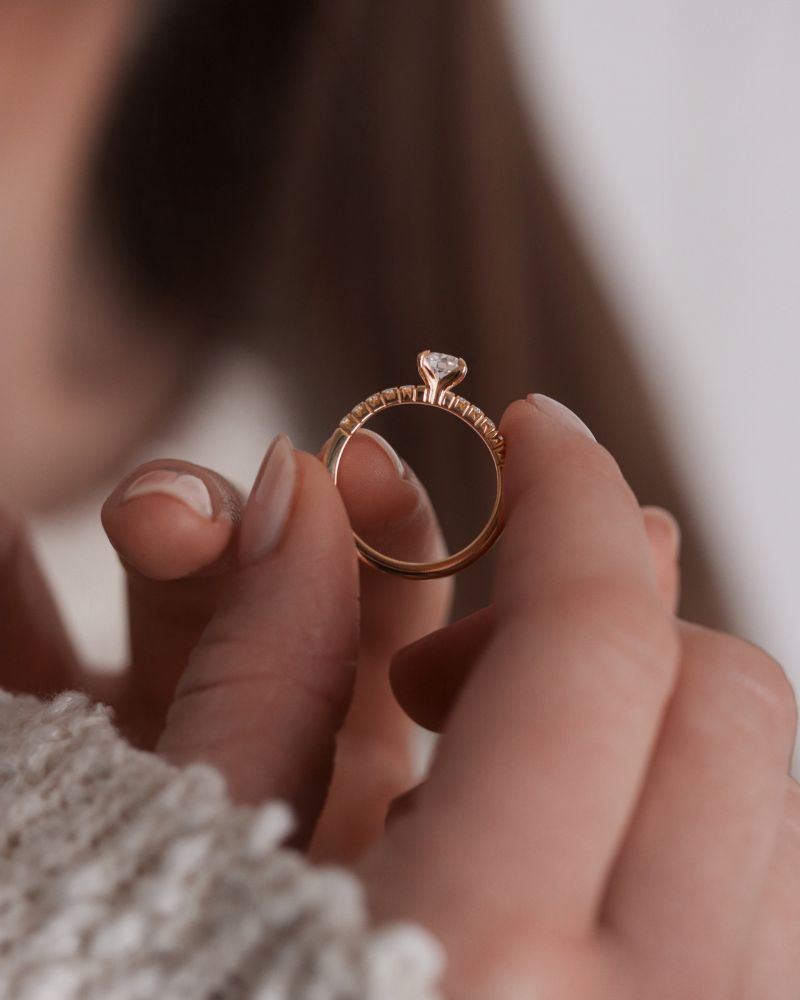
Rose gold – soft and romantic
Rose gold is sometimes mixed with other metals. It has a soft, warm pink tone that is created by a higher proportion of copper in the alloy.
The color is often perceived as:
- Romantic.
- Unique and exclusive.
- Beautiful in combination with white gold and diamonds, as it enhances the pink tone.
Palladium – light, strong, and naturally white
Palladium belongs to the same metal family as platinum and has a naturally light color. Palladium has a natural white luster and lightness that makes the ring very comfortable to wear, even every day. Its modern, elegant tone and the metal's high durability make palladium a valued choice for those seeking something discreet, exclusive, and timeless.
Properties:
- Low weight and very comfortable to wear.
- Naturally white color.
- Durable and hard-wearing.
- Hypoallergenic and nickel-free.
Palladium is suitable for those seeking a light metal with high comfort and modern character.
Silver – light and timeless
Silver is a classic precious metal with a beautiful light tone and a long tradition in jewelry craftsmanship.
Sterling silver consists of:
- 92.5% pure silver.
- 7.5% other metals for increased durability.
- Silver is appreciated for its:
- Bright and elegant color.
- Soft luster.
- Timeless expression.
Precious metals
Which metal should you choose?
There is no right or wrong choice – only what feels right to you.
Consider:
- Which color appeals to you most?
- Do you want to match it with your other jewelry, i.e., wear the same metal for everything?
- Or do you want to mix and match and find your own unique style?
- Do you want the ring to be classic or more unique?
- Do you prefer a light or heavier feel?
Read more
Choosing an engagement ring is a significant step in every man's life, a symbolic promise of love and commitment. Eng...
A guide to engagement and wedding rings Finding the right ring size is one of the practical steps on the way to the b...
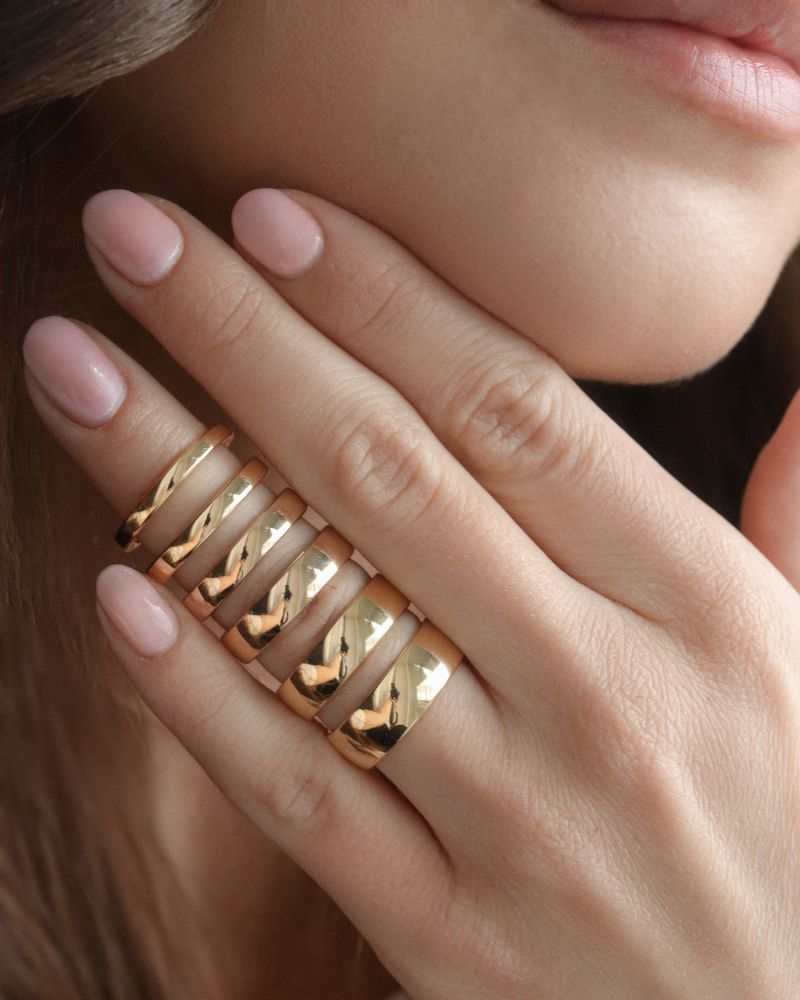
Guide to plain rings for engagement and wedding The width of a ring is one of the decisions that most affects the ove...