


 Platinum
 White gold
 Yellow gold
 Red gold
 Rose gold
 Silver
 Titanium







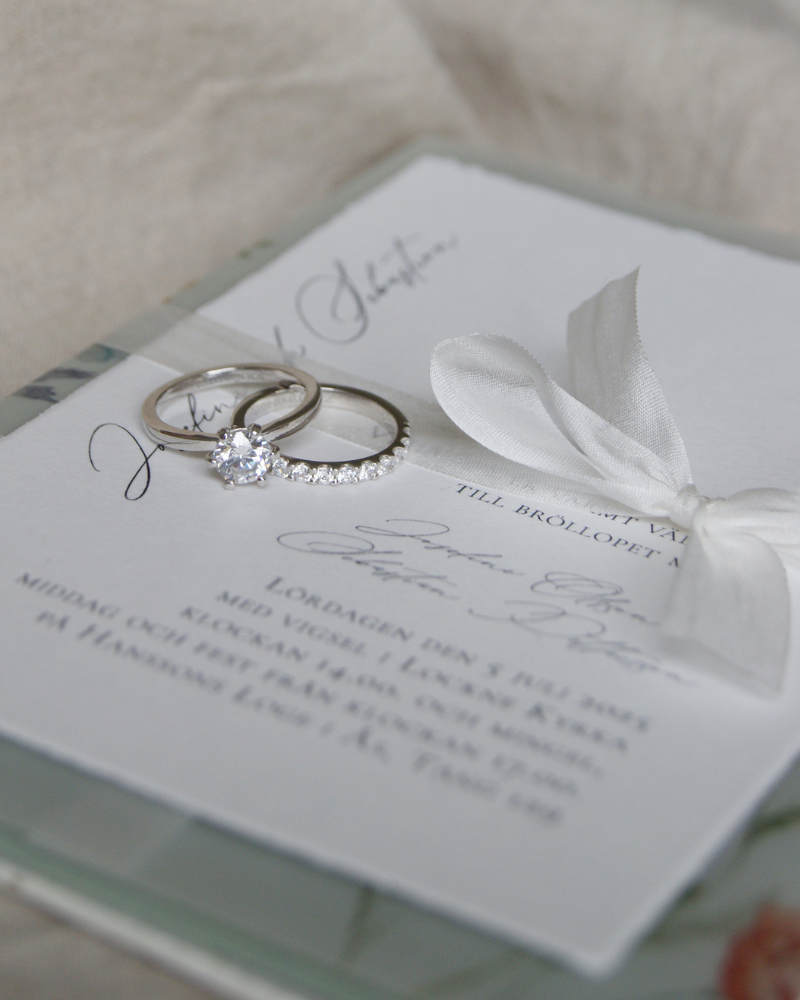
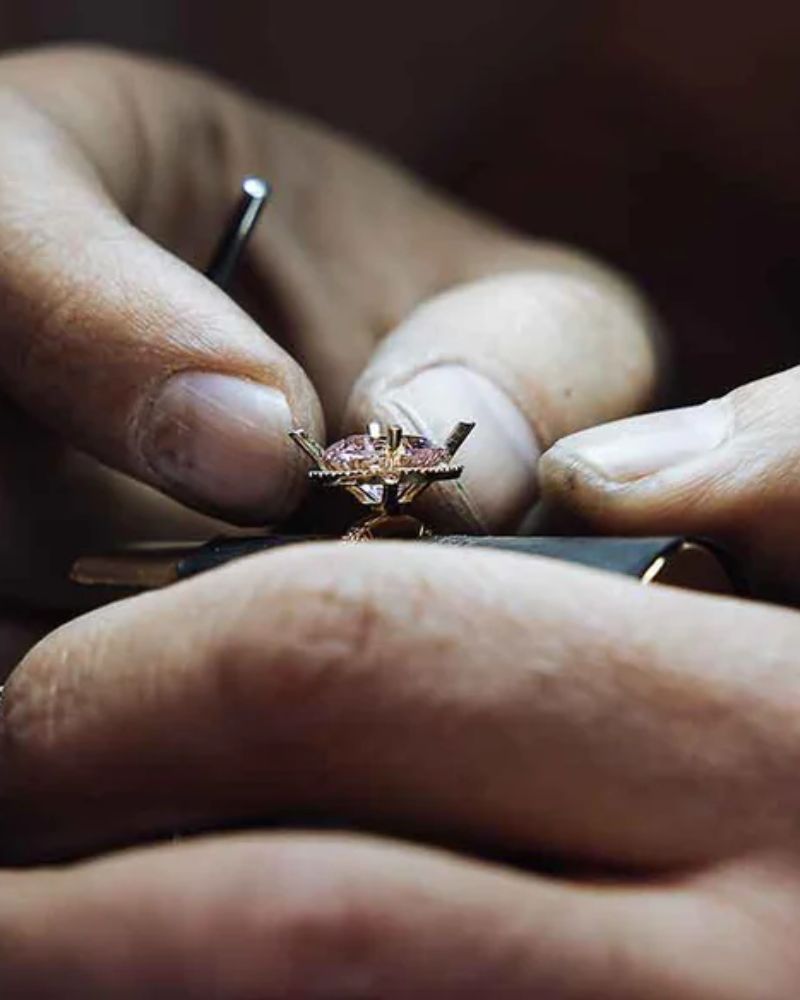

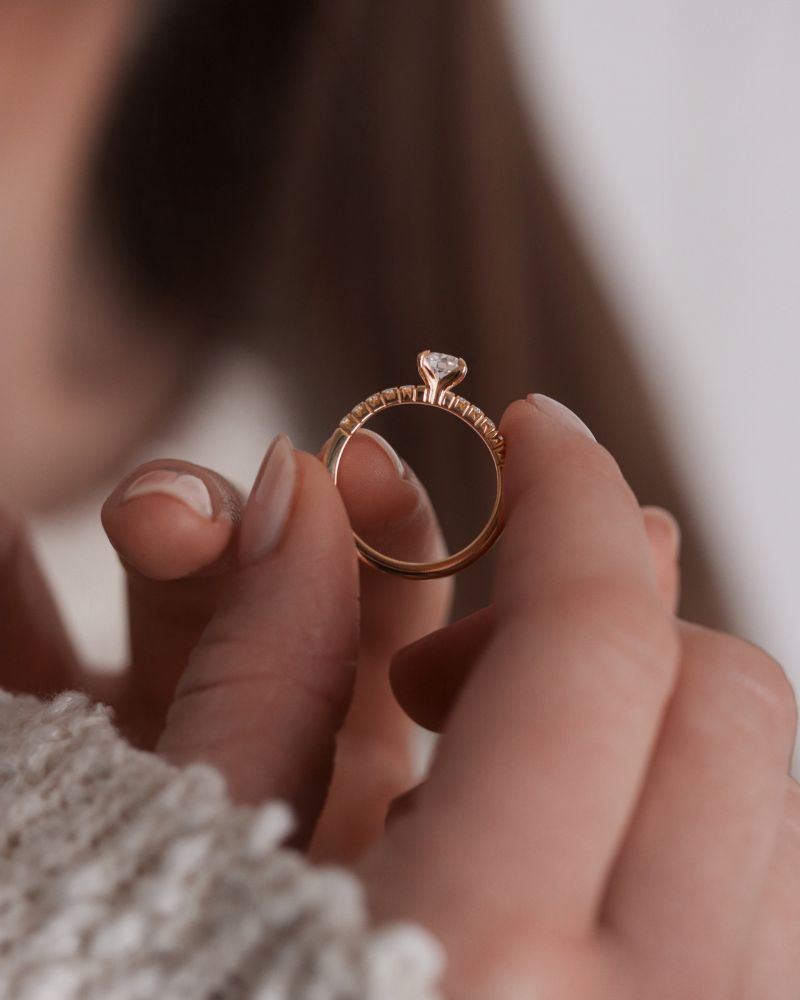

About our Lab-Grown Diamonds
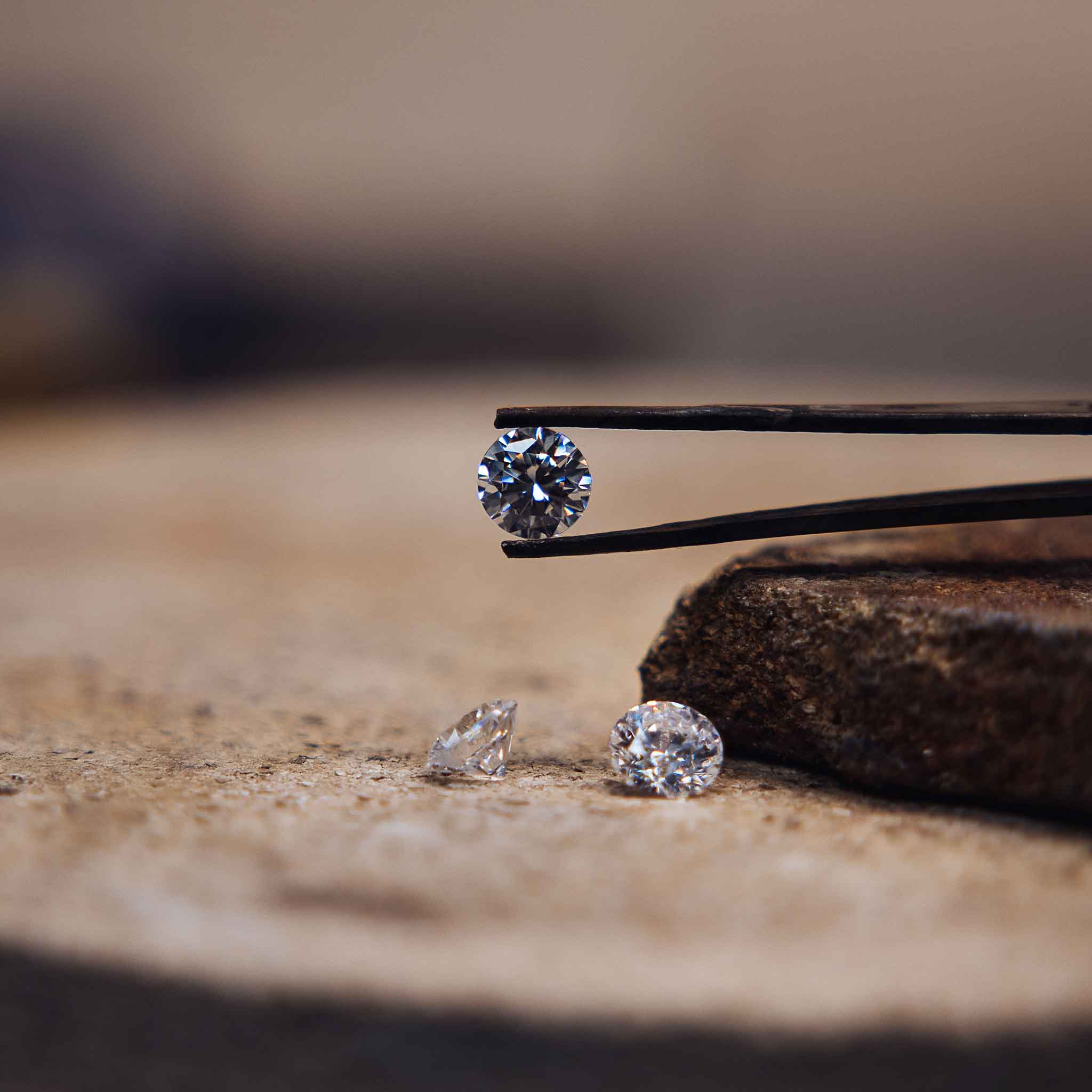
A lab-grown diamond is another term for synthetic diamond, that is, a diamond that has been produced in a laboratory by man instead of having formed naturally beneath the surface of the earth.
Lab-grown diamonds are produced by using various techniques to create the high pressures and temperatures required for the diamond to form. A common method is chemical vapor deposition (CVD), where a gas mixture is introduced into a vacuum chamber and exposed to high heat, leading to the formation of a diamond.
Another method is the high-pressure-high-temperature (HPHT) process, where a small piece of carbon is placed in a high-pressure chamber and subjected to high pressures and temperatures, causing it to melt and then form a synthetic diamond. To learn more about natural diamonds created naturally beneath the Earth's surface, you can read more about the subject here .
A lab-grown diamond should not be confused with cubic zirconia or synthetic moissanite. Both of these are synthetic stones that look like diamonds to the naked eye, but are not diamonds and lack many of the unique properties of diamonds. You can read more about natural diamonds here .
NEW INDUSTRY STANDARD
Madestones sets a new industry standard with CO2-neutral certification for the entire life cycle of lab-grown.
Madestones, Europe’s largest producer and distributor of lab-grown diamonds, has achieved groundbreaking sustainability certification. The company has achieved Golden CO2 Neutral certification for the entire lifecycle of its diamonds, marking a new benchmark for sustainability in the industry. Unlike many other companies that focus solely on renewable energy during production, Madestones has taken a broader approach.
In collaboration with climate consultant South Pole, they have reviewed every step in the supply chain – from natural gas purchasing and transportation to office operations. After a rigorous five-step process, validated by independent auditor Vinçotte, Madestones became the first in its sector to achieve full-lifecycle CO2 neutrality.
"We want to take a holistic approach to the climate issue, not just during production, " says Thierry Silber, CEO of Madestones.
This achievement strengthens Madestone's leadership in lab-grown diamonds and demonstrates their commitment to sustainability.
Madestones is Schalins' preferred supplier of lab-grown diamonds. At Schalins, we are committed to continuously developing our sustainability initiatives and fully support Madstones' outstanding work in the field.
NATURAL OR LAB-GROWN DIAMOND?
It is you as the customer who chooses which stone you prefer. The choice is highly individual with both advantages and disadvantages of both options. The choice is yours and there are some factors that distinguish the two options and that may be good to know before you choose.
We mention a few below. If you would like further consultation on the subject, we recommend that you contact us.
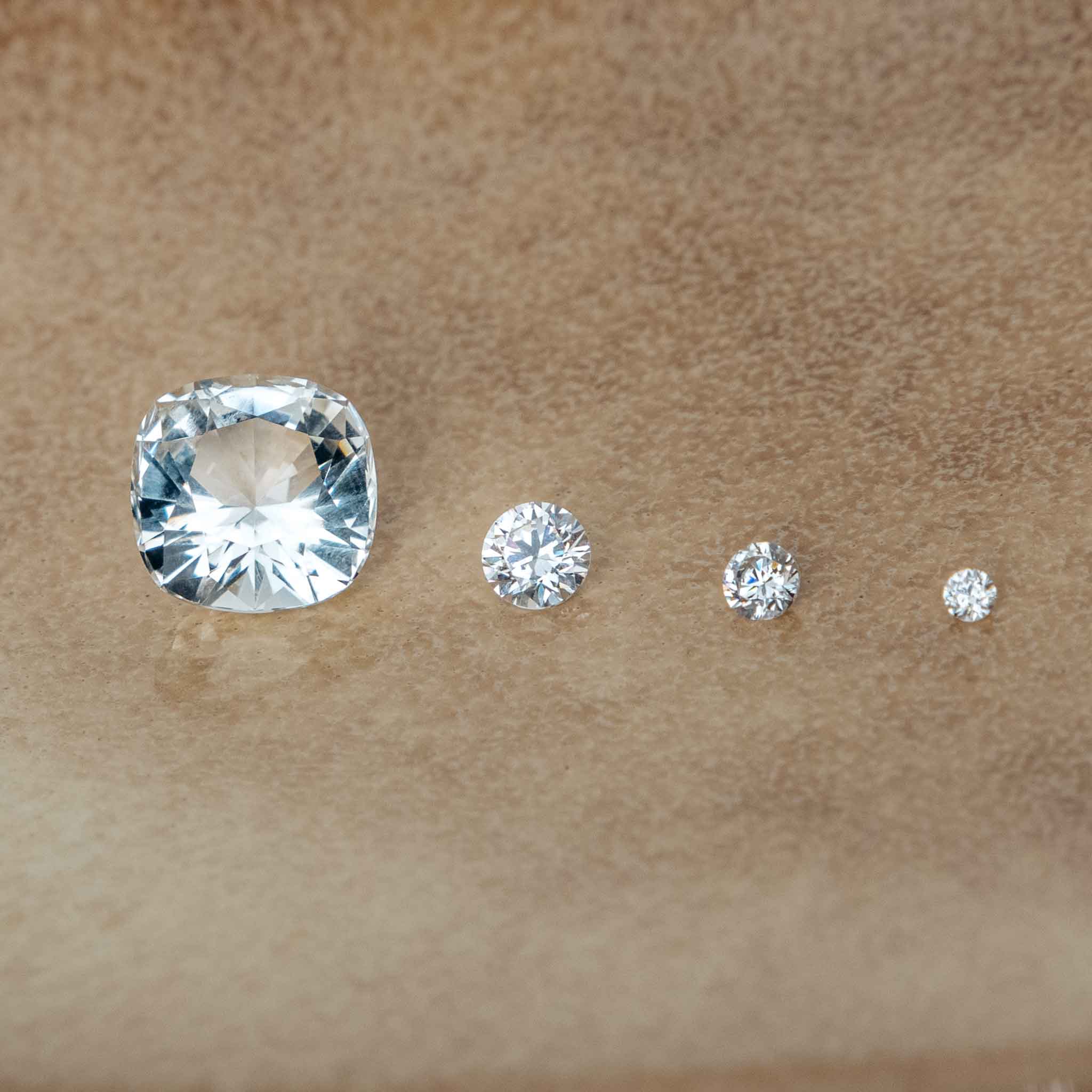
- The resale value is lower for a lab-grown diamond.
Today, the valuation of a synthetic diamond's resale value varies and is often much lower.
- The price is lower for a lab-grown diamond.
If you buy the ring because you like it, you will get a nice ring at a cheaper price but with the appearance of a natural diamond.
- If you want a diamond produced by nature, then you should choose a natural diamond.
A diamond is a mineral that has been formed completely without human intervention. A natural diamond takes millions of years to develop and is considered the rarest and most precious of all stones. Natural diamonds are in high demand and retain their value to a greater extent over time. It is the combination of their unique properties and rarity that keeps their price high.