


 Platinum
 White gold
 Yellow gold
 Red gold
 Rose gold
 Silver
 Titanium



 Engagement rings
 Wedding rings
How do you choose the right ring width?
Date: 2026/05/08Guide to plain rings for engagement and wedding
The width of a ring is one of the decisions that most affects the overall impression – and one that is easy to underestimate. A plain 2mm ring feels completely different from a 5mm or 7mm one. Not better or worse, but different. More discreet versus more present. More understated versus more characterful.
Here, we go through what you need to know to find the right width – whether you're looking for an engagement ring, a wedding ring, or a ring for everyday wear.
The width changes the whole expression
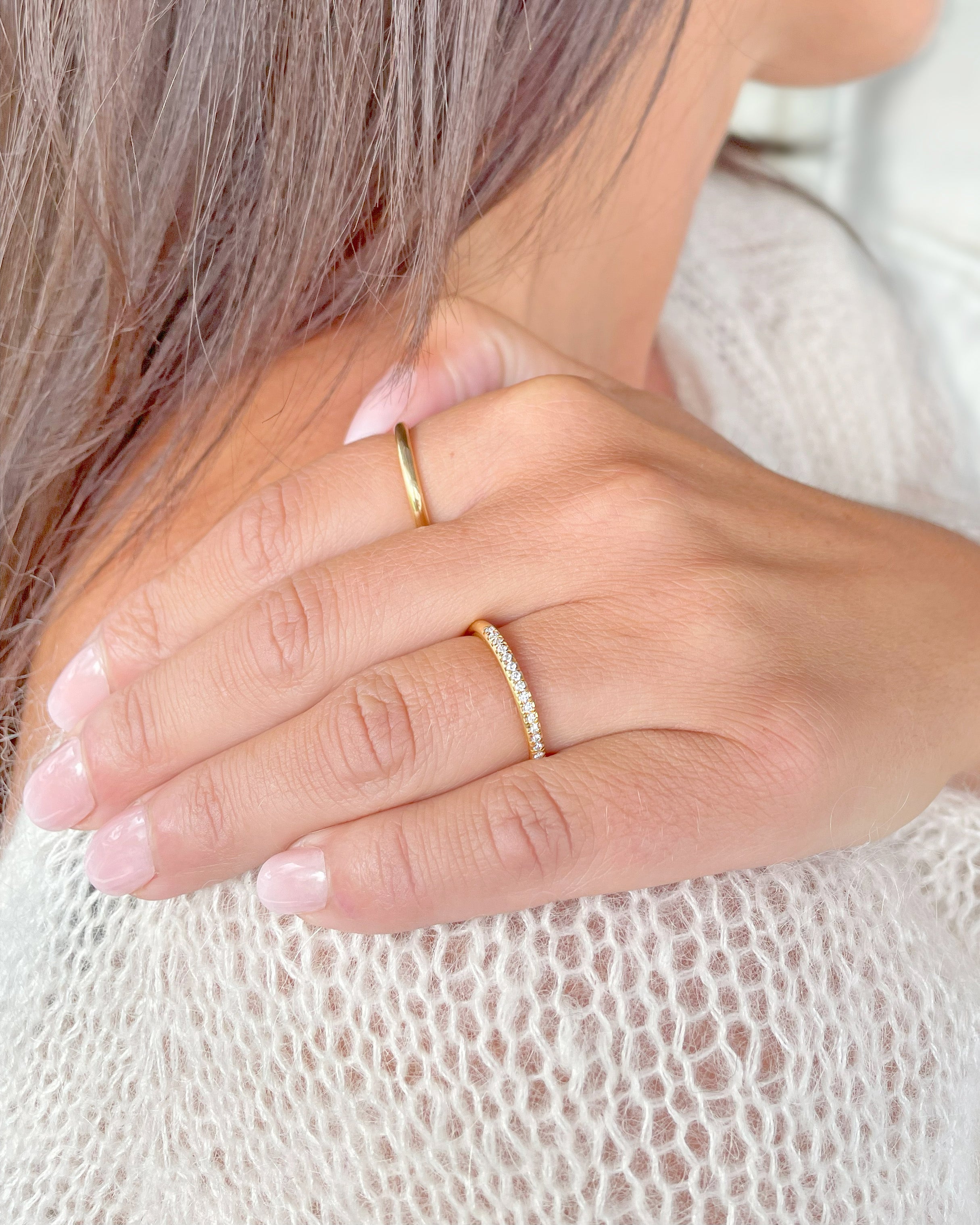
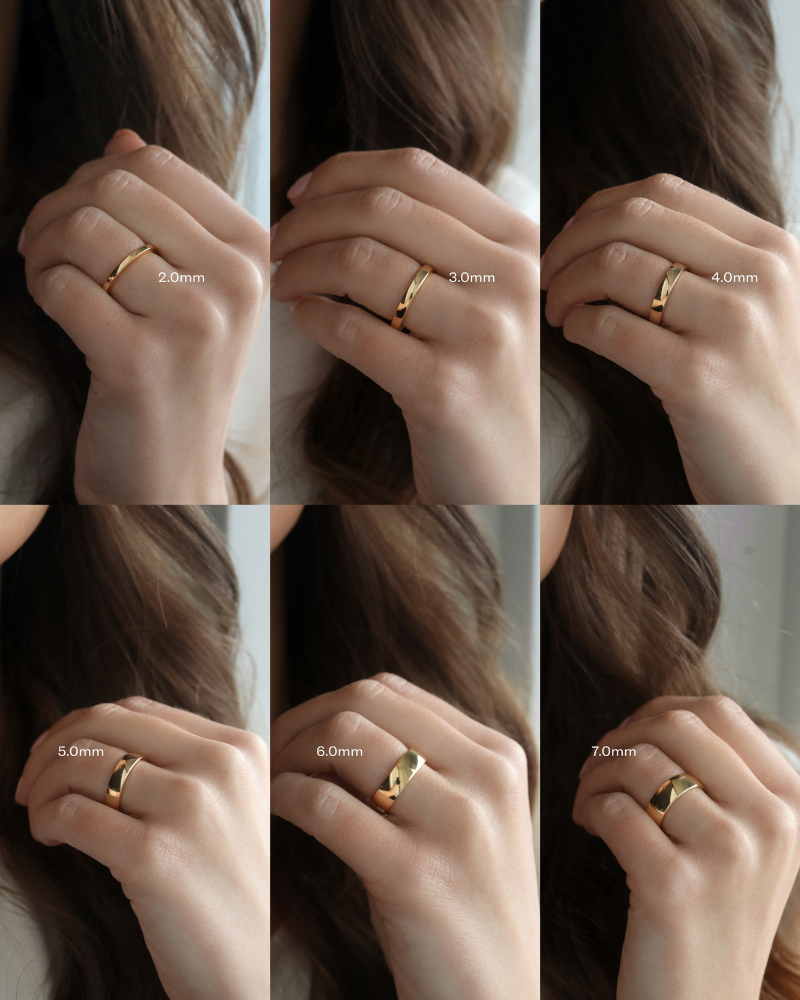
A slim ring, around 2–3 mm, has a pared-down and discreet look. It's visible but doesn't dominate. Many choose it because it blends naturally with other rings or because it suits a more understated style.
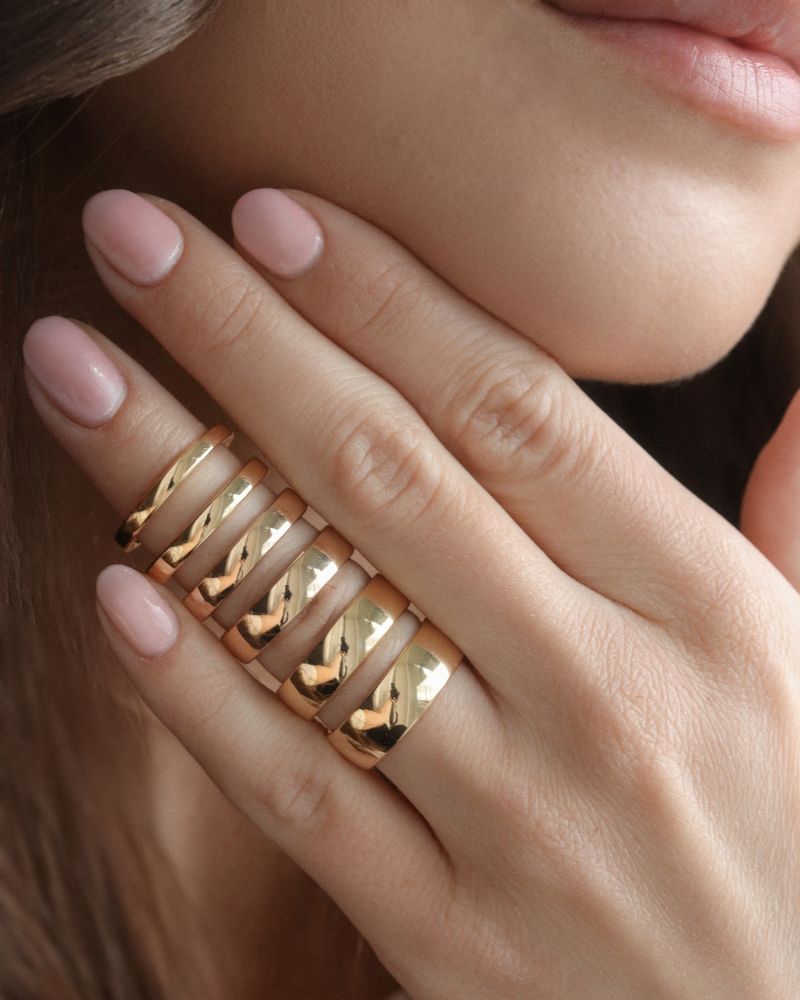
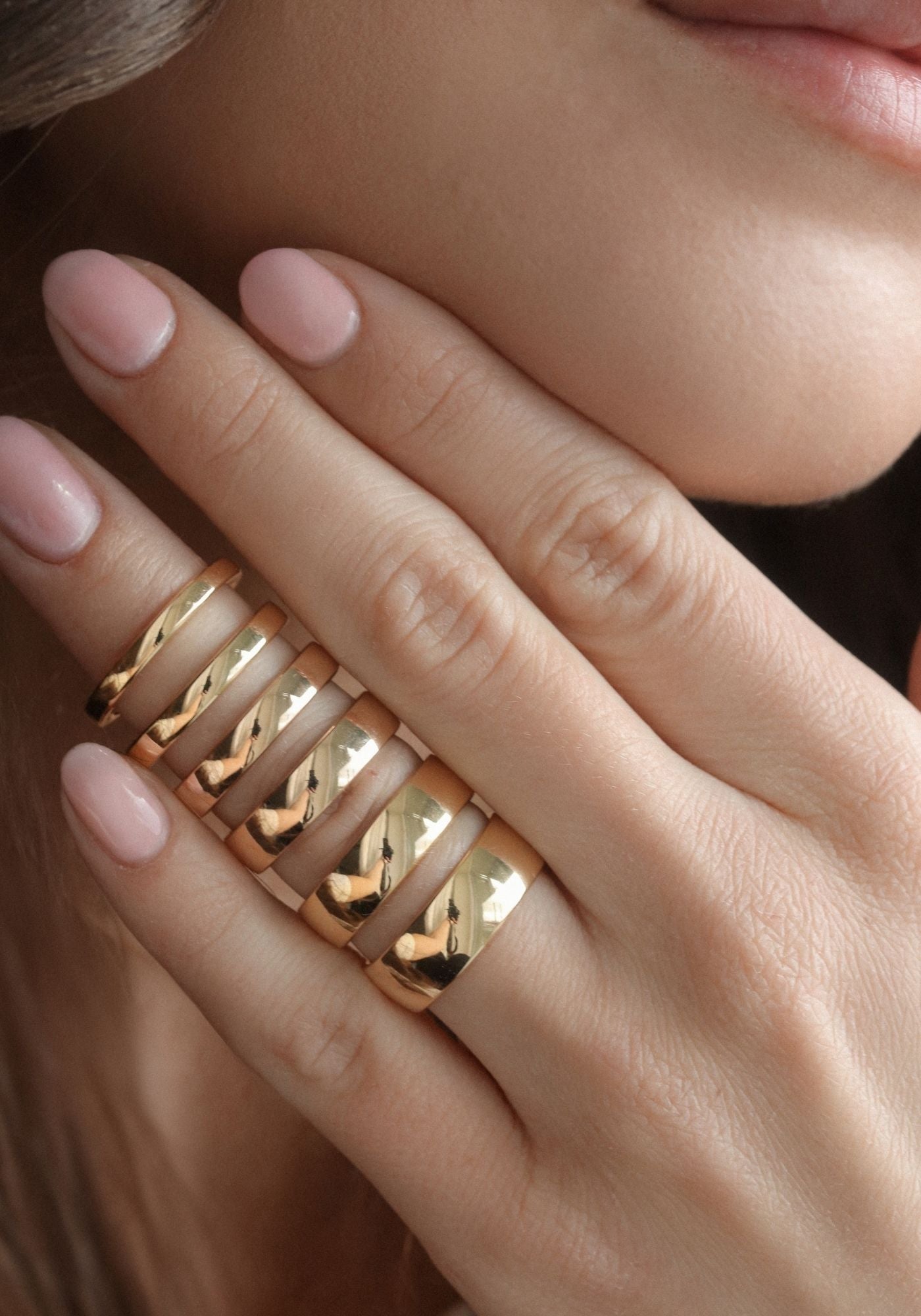
A wider ring, from 4 mm upwards, has a more distinct presence. It feels more prominent and gives the finger a different character. From 5 to 7 mm, the ring begins to take shape as a true statement – without needing to be decorated or embellished.
There's no right answer. The choice is about who you are and how you want the ring to be perceived.
Width also affects the shape
It's a detail many people don't consider: a rounded rail appears somewhat flatter the wider it gets. This is due to the geometry – the curve is distributed over a larger area and gives a different visual impression than a narrower ring with the same profile.
This means that you shouldn't just rely on how the ring looks in a product image. How it looks on your hand, in your specific size and width, is what matters. Trying it on, or seeing how different widths look on a hand similar to your own, will give you a much better basis.
What materials are available?
Our plain rings are made in gold, platinum, palladium, and silver. Each metal has its own tone, weight, and character – and the choice affects how the ring feels to wear and how it changes over the years.
Red gold is warm and vibrant. Platinum is heavy and durable, with a cooler silver-white luster. Palladium is similar to platinum but lighter. Silver has a distinct expression at a more accessible price.
None of the metals is the obvious solution – it depends on how you want your plain ring to feel and look in ten or twenty years.
Consider the wedding ring already now
If you choose an engagement ring, it's worth considering at this stage how it will be worn together with a future wedding ring. Width and profile affect how the two rings meet each other – and whether they are perceived as a natural pair or create friction against each other.
A narrower engagement ring often provides more freedom in the choice of a wedding ring later. A wider ring requires more consideration of the profile and how the rings fit together. This should not limit your choice, but it is wise to take into account.
How do you know which width suits you?
There are no universal rules of thumb that hold. Finger size plays a role – a narrower ring can feel relatively wider on a slender finger. Personal style plays a role. How you use your hands in everyday life plays a role.
What we can say is that whether you choose 2 or 7 mm, gold or platinum, for engagement or wedding – a plain ring is always a ring worn for its simplicity and honesty. It requires nothing more of you than choosing the right width.
We'll help you find it.
Read more
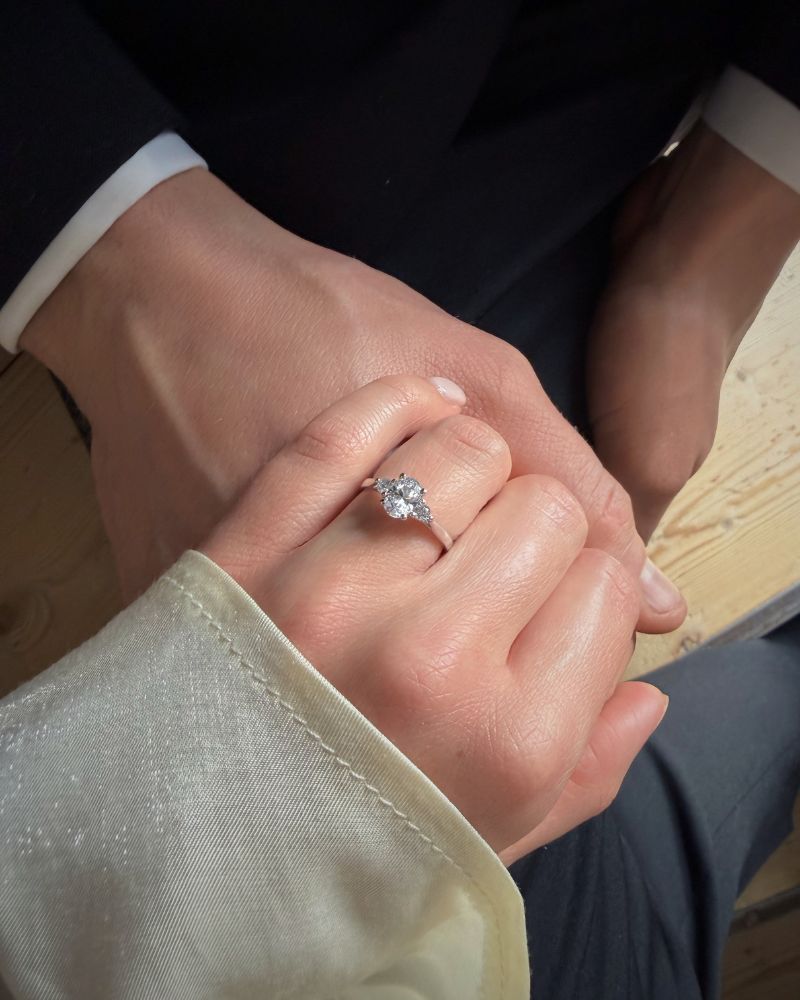
A proposal is a moment. But it is shaped by several choices you make beforehand – choices that affect how the moment ...
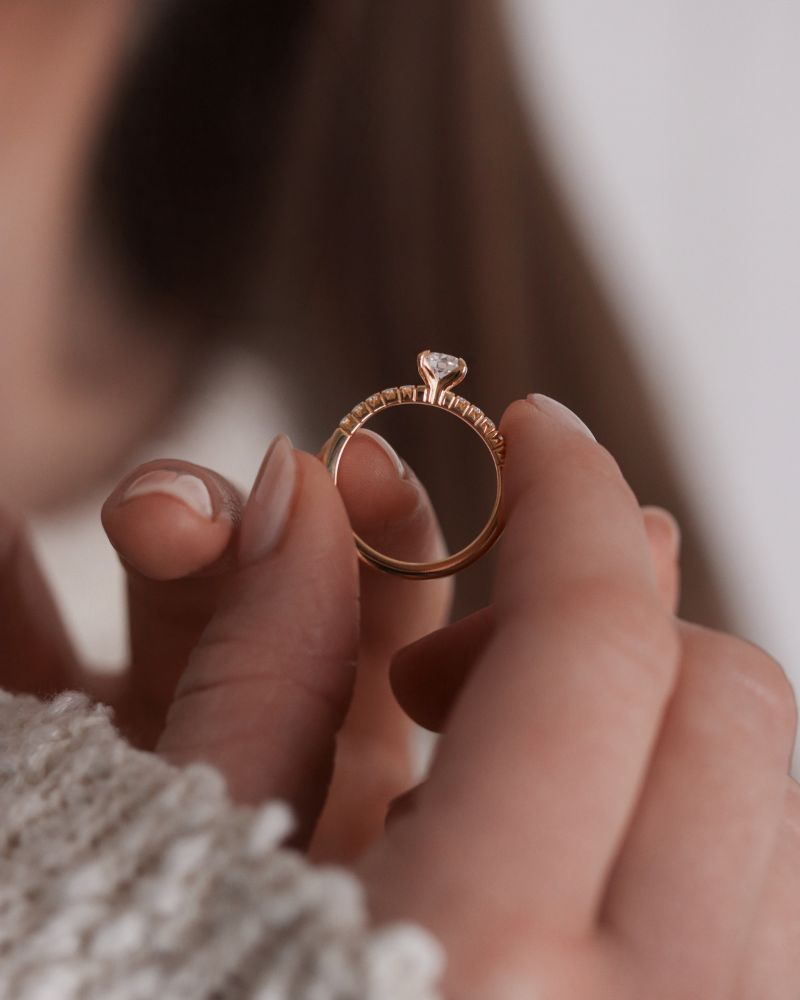
A guide to engagement and wedding rings Finding the right ring size is one of the practical steps on the way to the b...
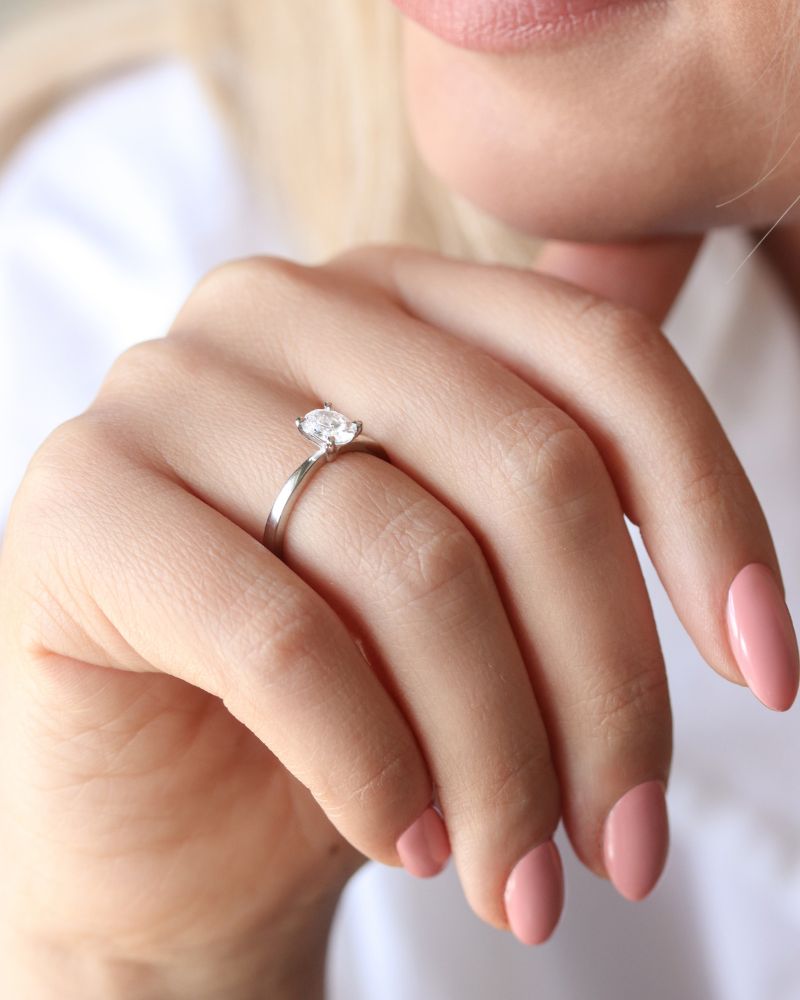
The oval cut diamond has become a popular choice for those seeking a ring with soft lines and a distinct character. I...