


 Platinum
 White gold
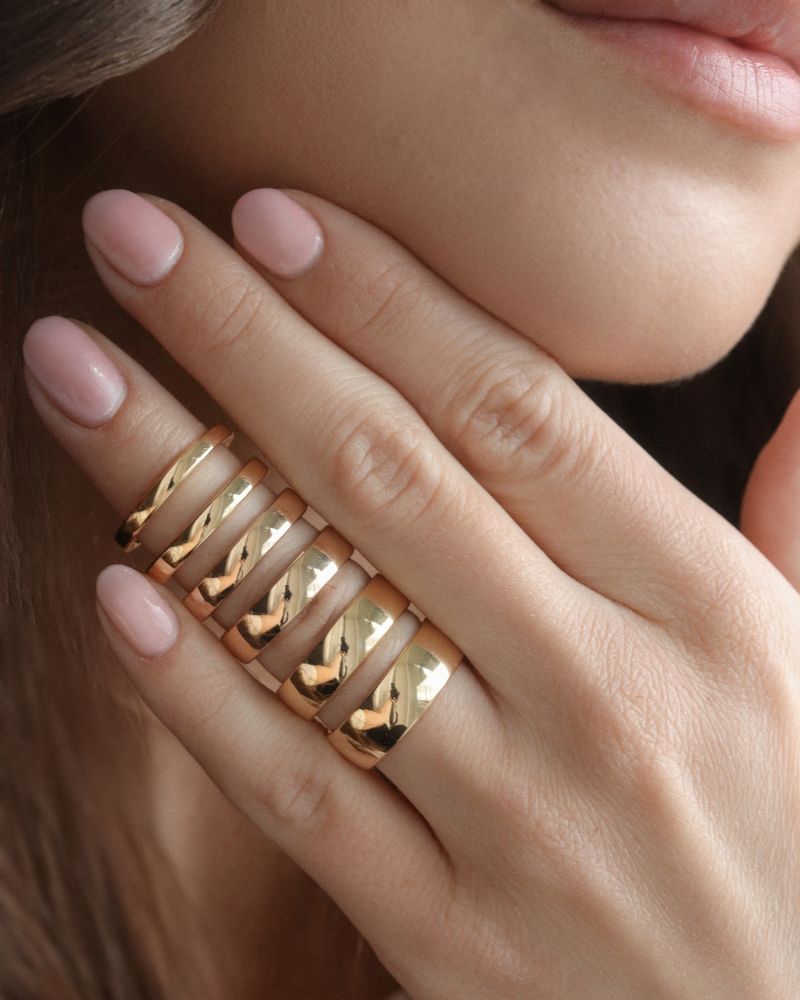
 Yellow gold
 Red gold
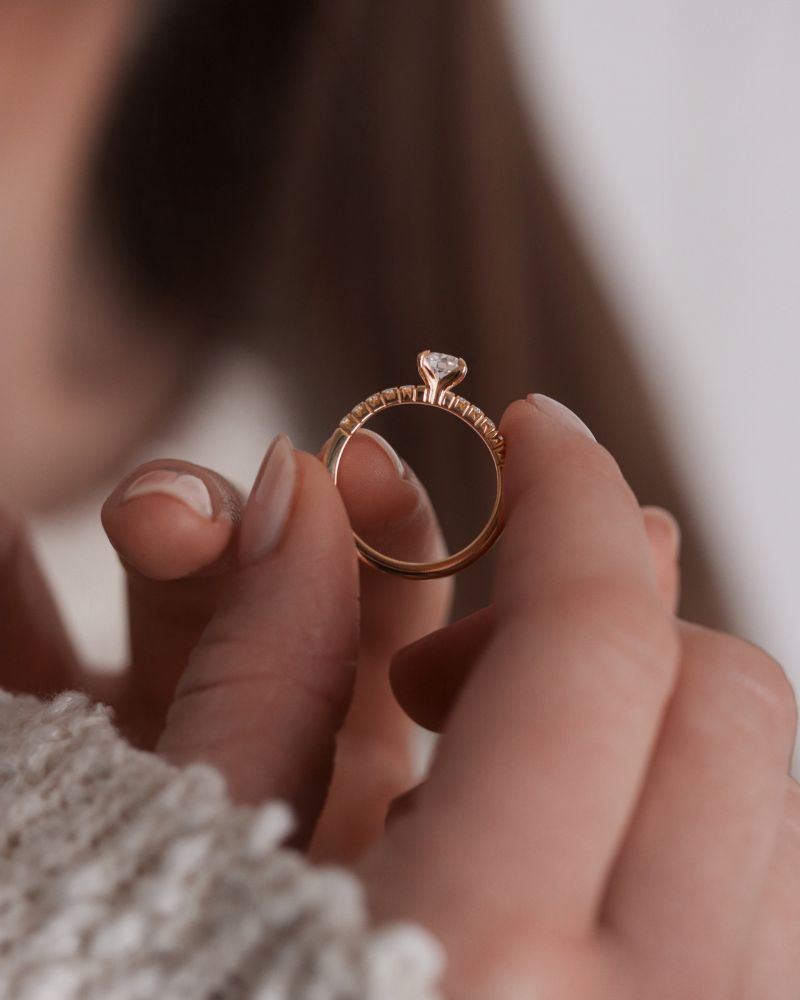
 Rose gold
 Silver
 Titanium



About our metals
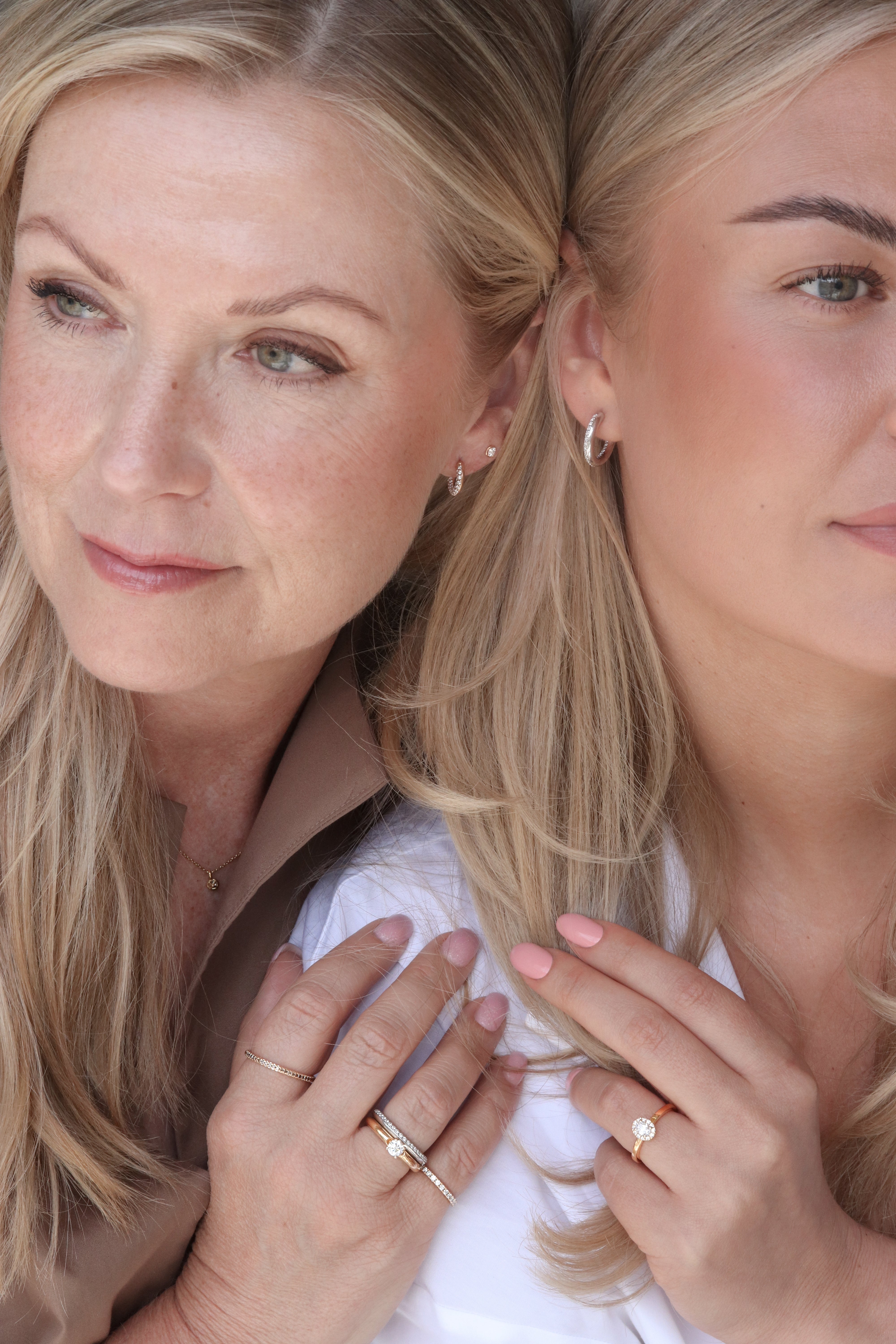
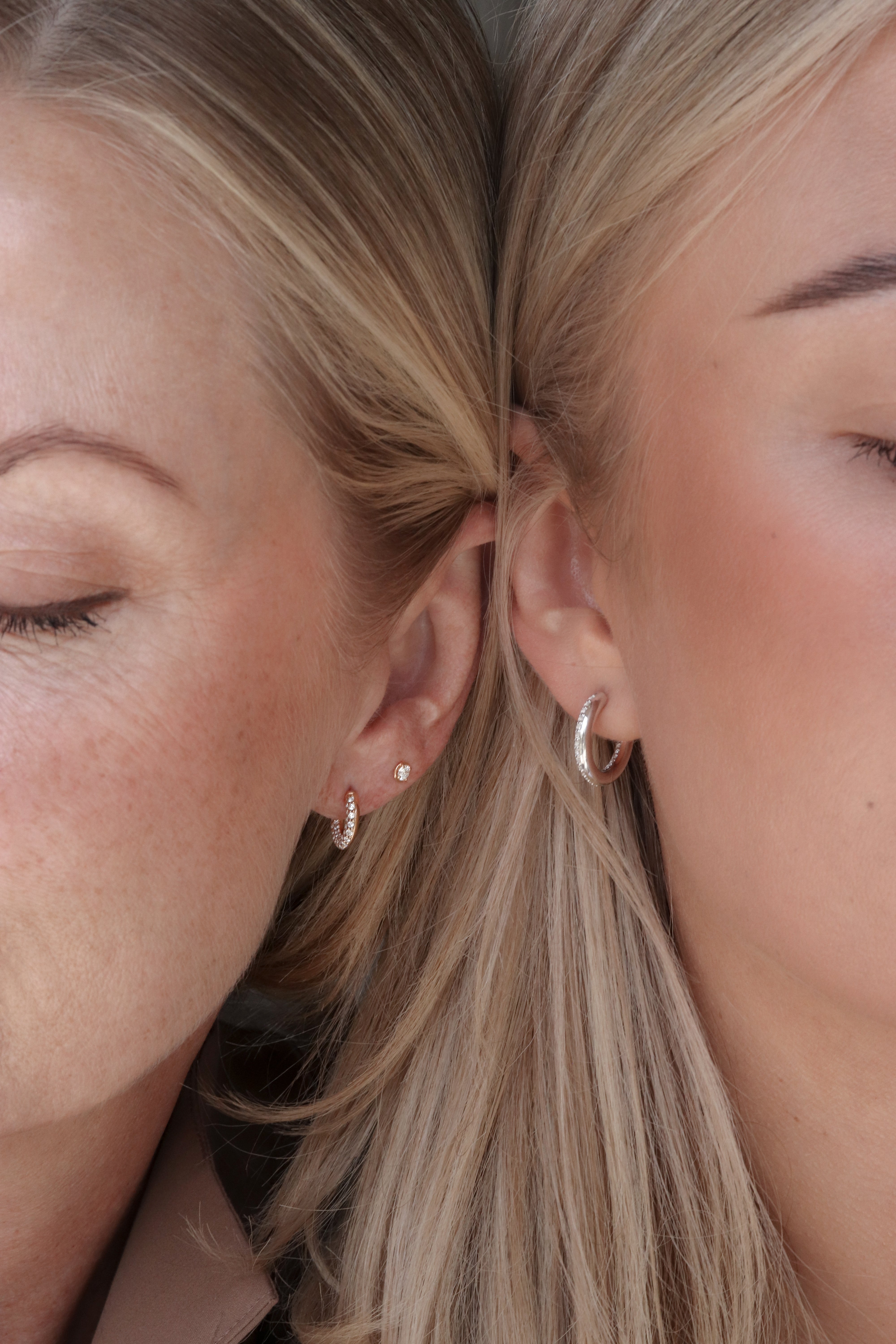
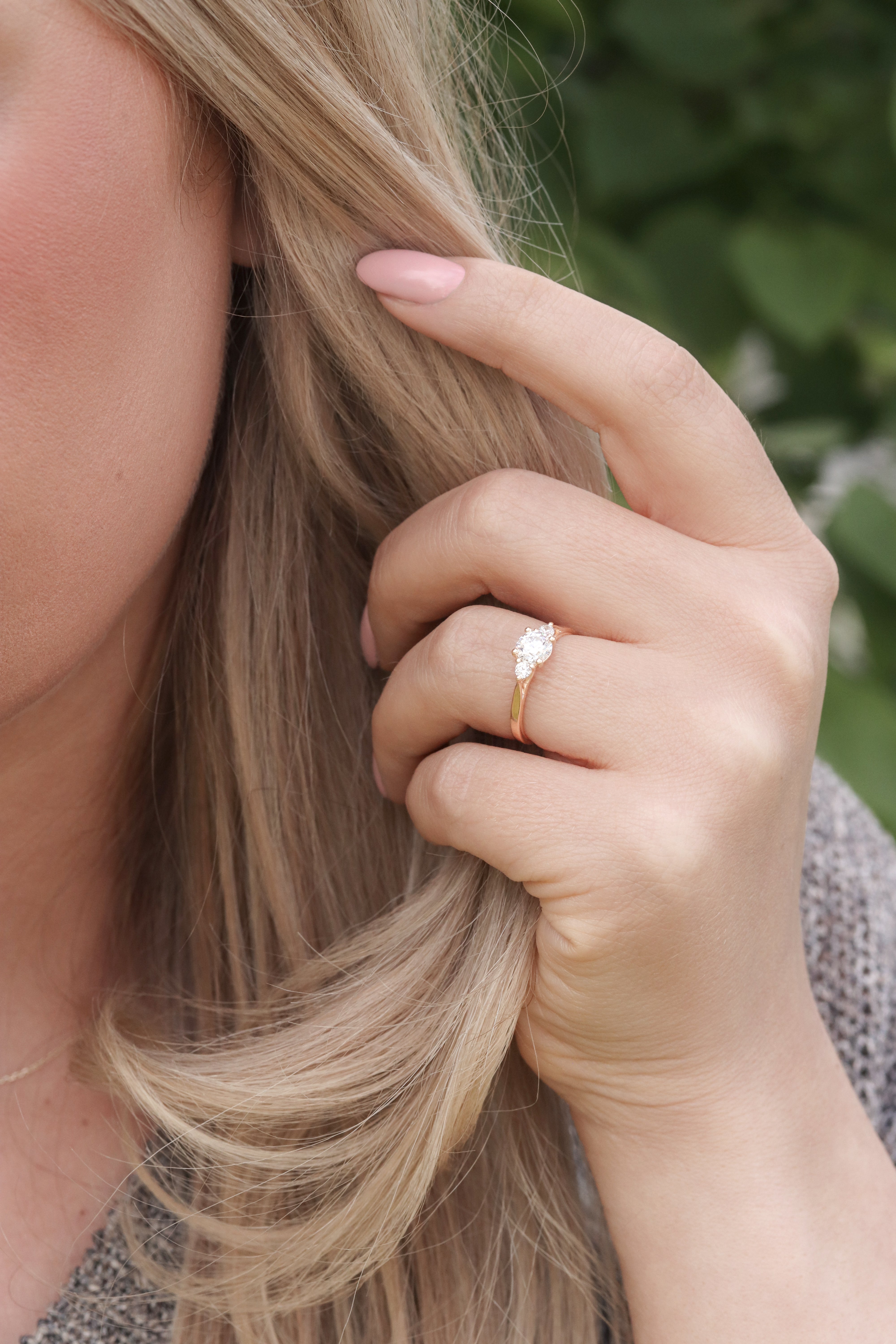
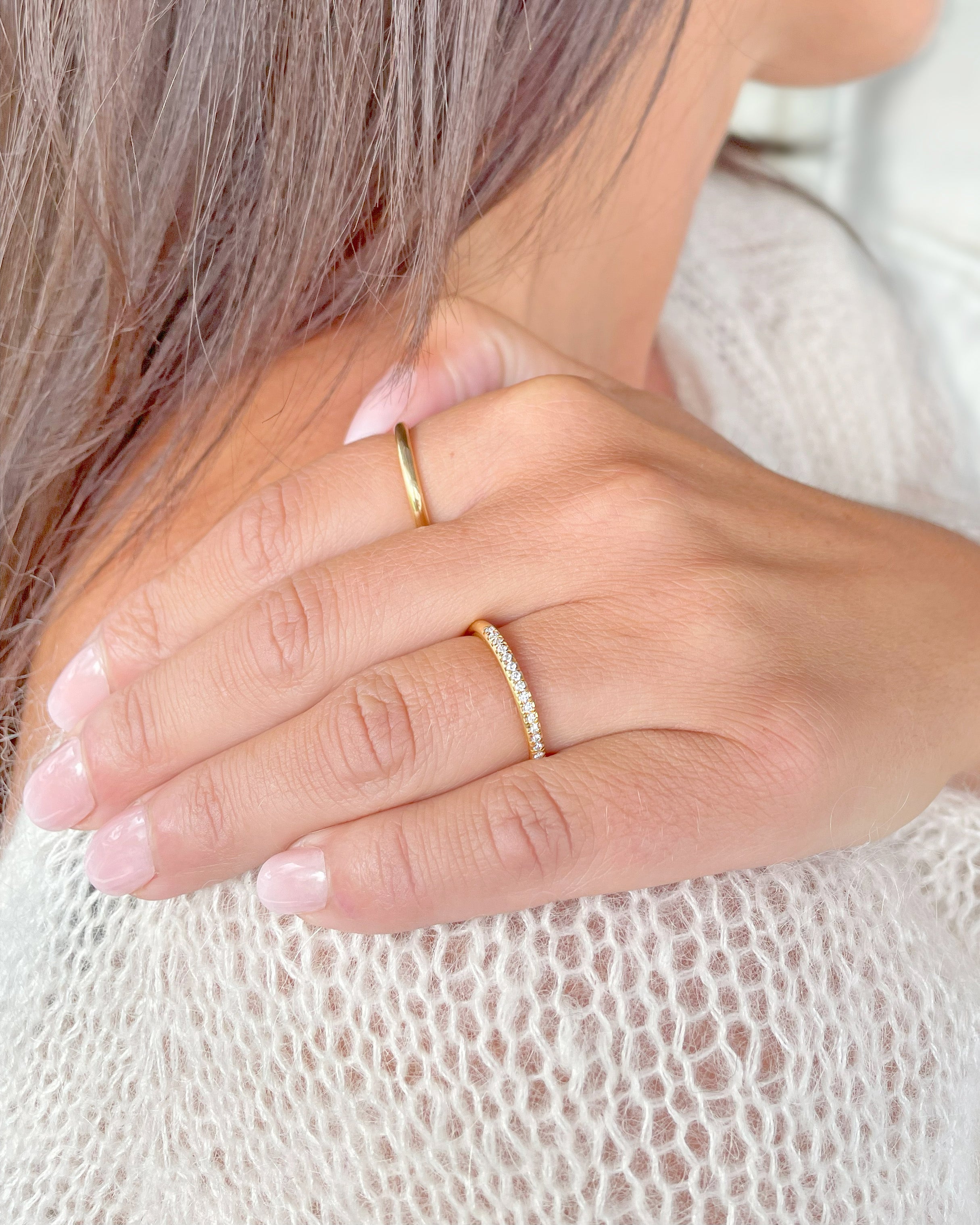
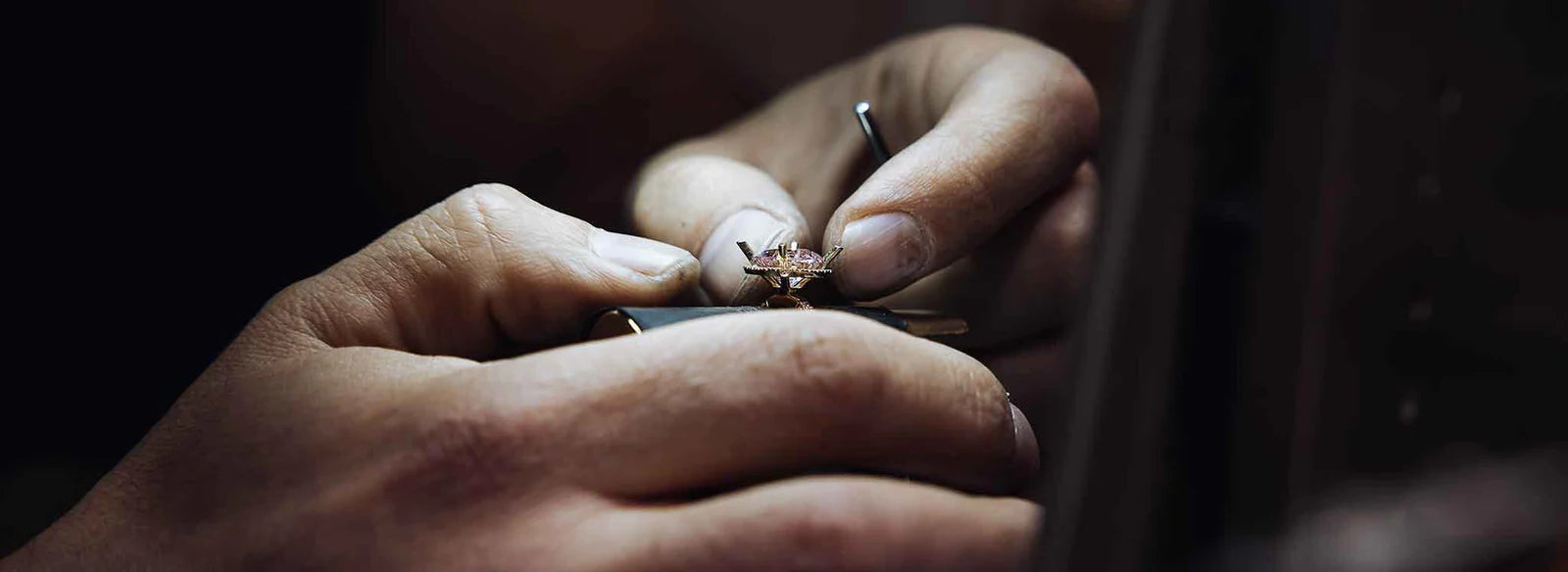
Freedom of choice is important and that is why we offer rings in several different metals. Here you have every opportunity to choose a ring in the metal that appeals to you most. Maybe a ring in classic red gold will be your favorite? Or do you think that the exclusive metal platinum is the obvious choice for you? Read about our metals below and do not hesitate to contact our customer service if you have any questions.
Recycled gold
The best gold in environmental terms is recycled gold and therefore we have a close collaboration with Europe's largest supplier of precious metals who also has Europe's largest and most modern facility for recycling precious metals. Our supplier thinks long-term in terms of quality, environment and sustainability and its entire production is therefore also certified according to both ISO 9001 and ISO 14001.
All fine gold in our rings is recycled and climate-compensated gold. We procure our precious metals from the Swedish company NSG Sweden AB, which works for a sustainable and responsible precious metals industry. Other gold used in the production process comes from so-called bureau drawer gold, which is purified by the same company.
Our gold alloys, which we cast ourselves, are continuously monitored by RISE (Research Institutes of Sweden). RISE is an independent inspection body that guarantees that we meet the strict requirements for the content of precious metals in our gold alloys. Other metals for the alloys – mainly copper and silver – also come from Swedish suppliers. As a customer, you can therefore feel confident that the ring you buy from Schalins has been manufactured under the very best quality and environmental control.
Our metals
Gold
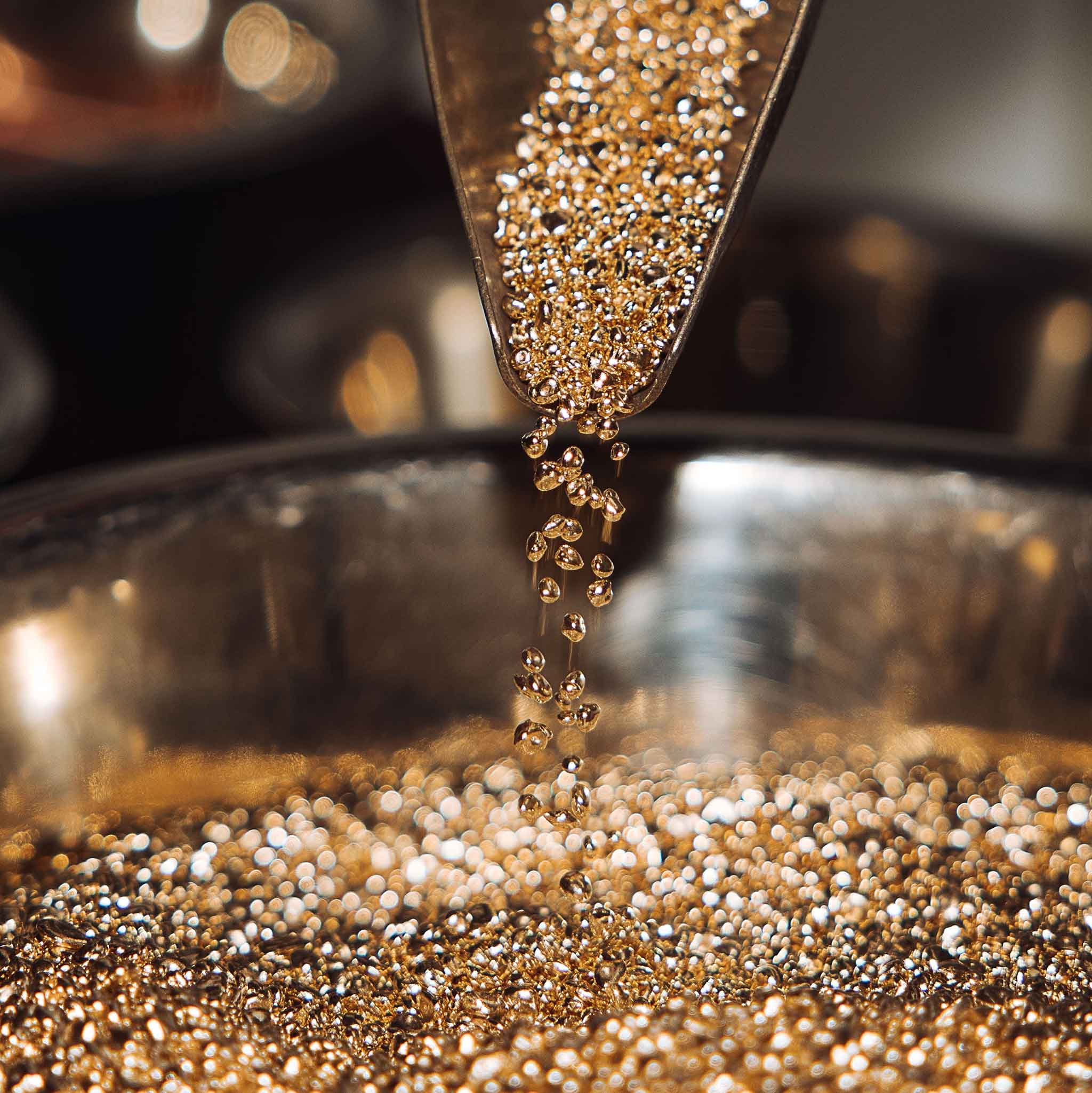
Gold as a metal is very soft and needs to be mixed with other metals to be processed. Such a mixture is called an alloy.
The most common alloy in Sweden is 18K, Schalin's rings are made in 18K and 14K gold. The amount of karat shows how much fine gold the ring contains. Which metals are then added varies depending on the color of the gold. It is worth mentioning from an allergy point of view that all our metal alloys are free of nickel. Below you will see a comparison in thousandths where you get an idea of how much fine gold different
carat contains.
24 carat (24K) 1000/1000
18 carat (18K) 750/1000
14 carat (14K) 585/1000
You might be wondering why we don't make rings in 24K? It's simply because of what we wrote above, that it is very difficult to process gold unless it is mixed with other metals.
Red gold
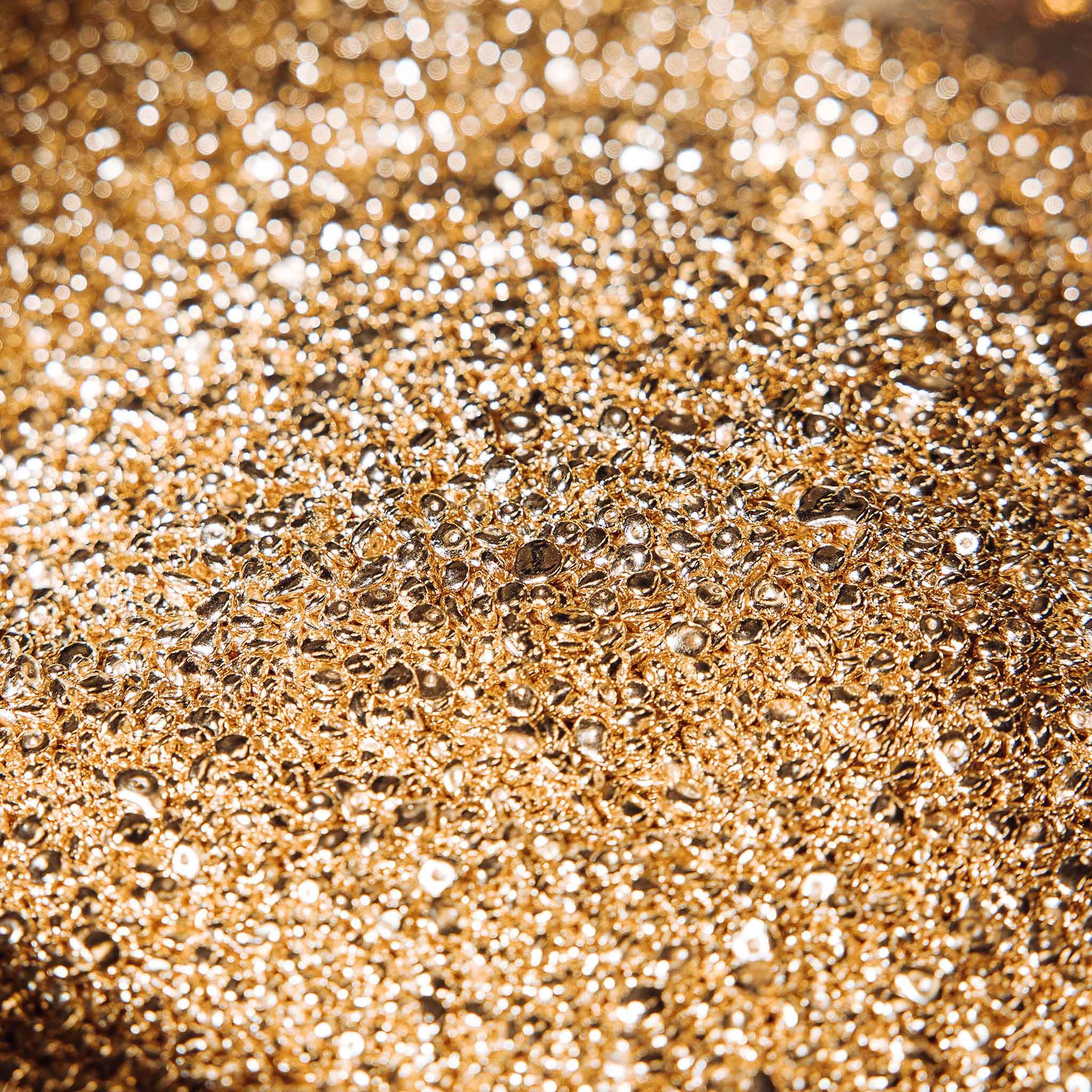
Red gold gets its beautiful color by mixing the gold with copper and silver. 18-karat red gold (which is the standard in Sweden) contains 75 percent gold by weight, 15.5% copper and 9% silver.
18K red gold
75% fine gold, 15.5% copper and 9% silver.
14K red gold
58.5% fine gold. The remaining metals are copper, silver and zinc.
Yellow gold
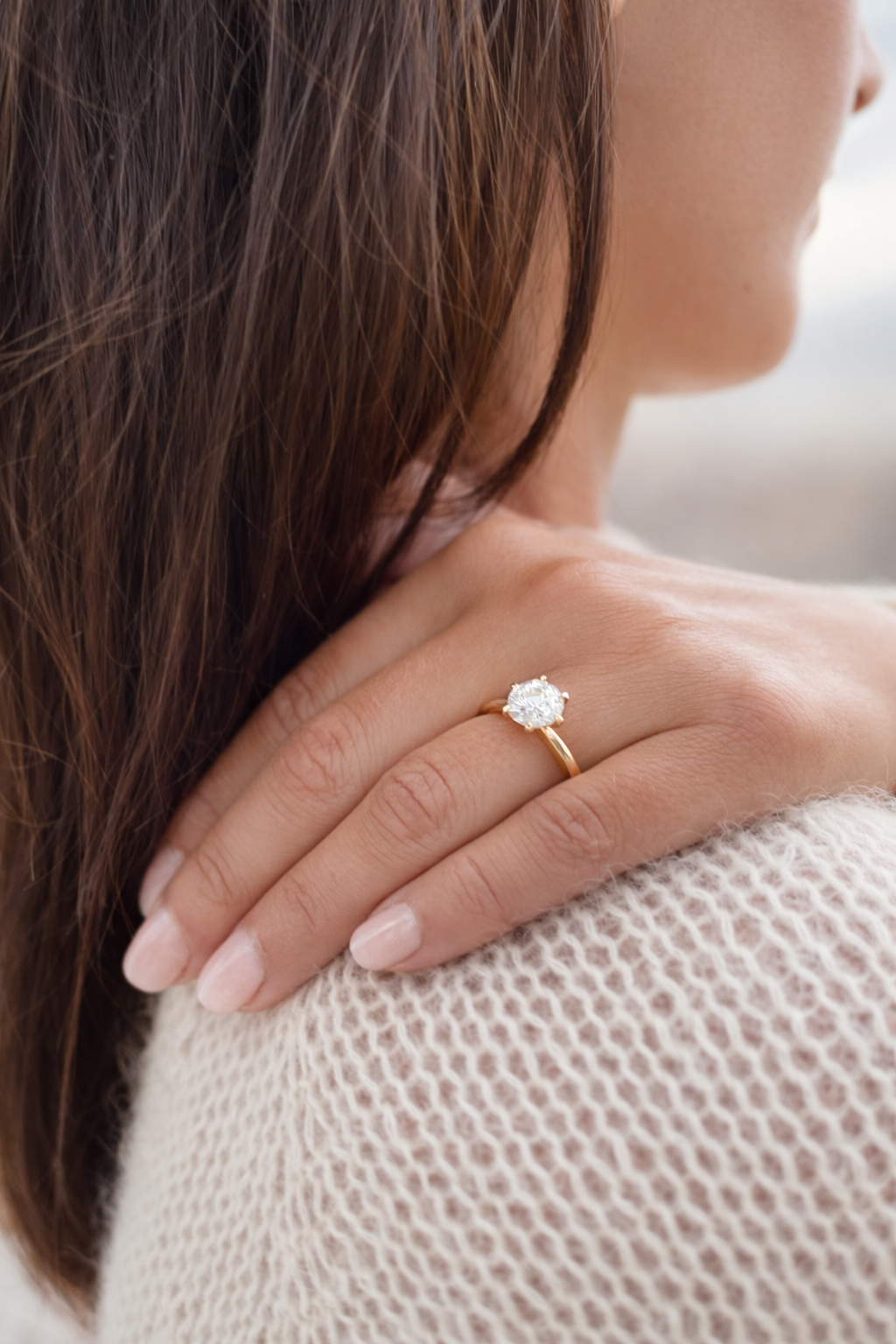
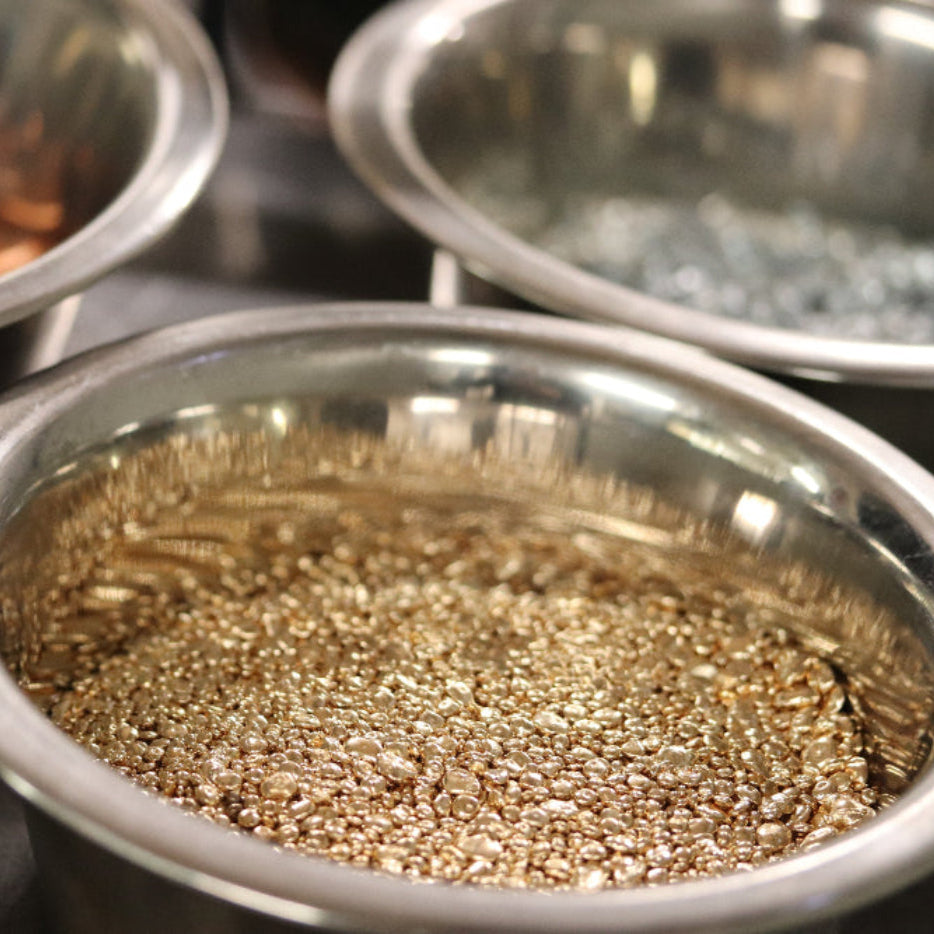
Yellow gold is a mixture of metals that gives it its beautiful golden yellow color. A color that is largely the most common alloy in Europe. A color that is based on a long tradition, which has now also taken place in Sweden. Yellow gold has the same fine properties as red gold.
18K yellow gold
75% fine gold, 15.5% silver and 9% copper.
White gold
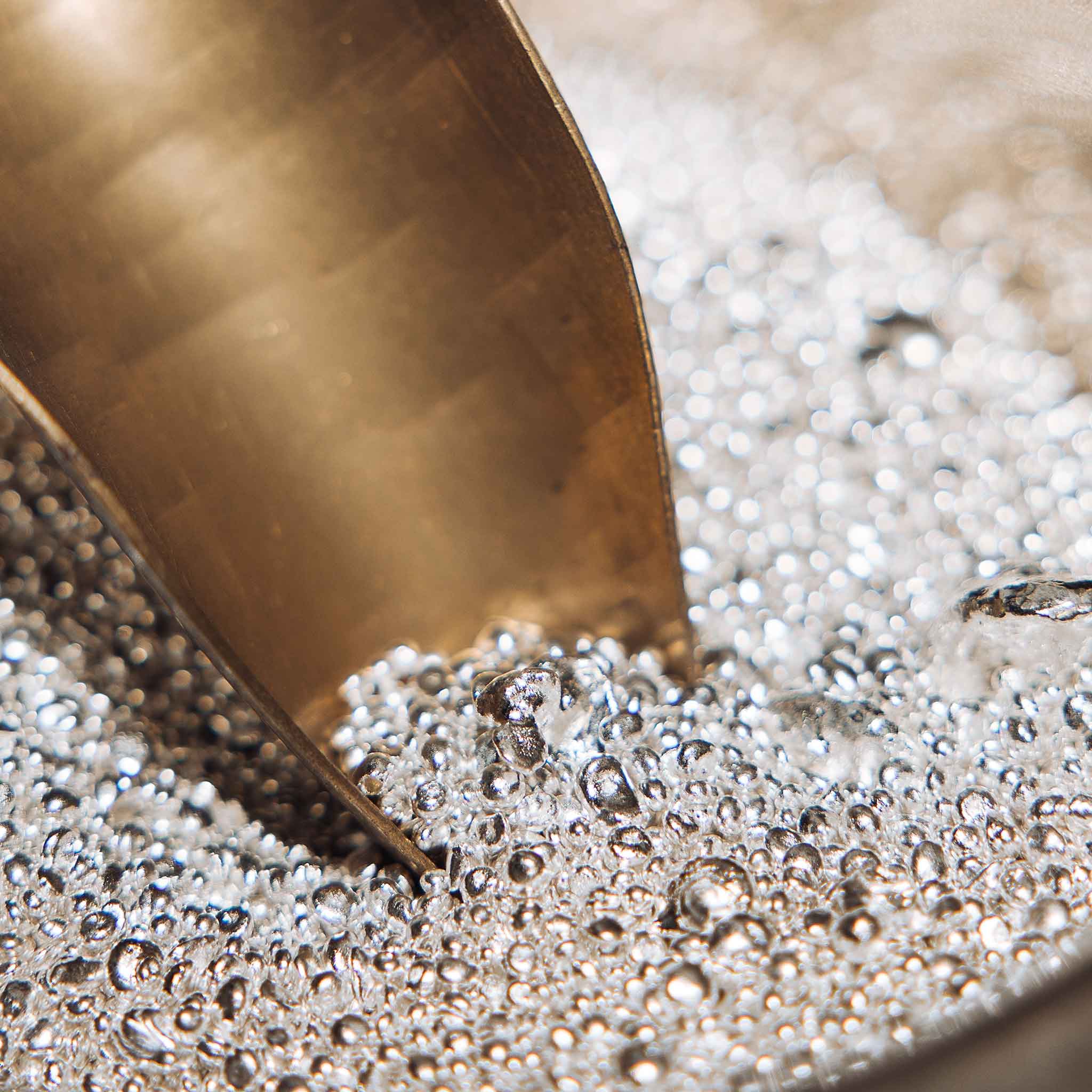
Just like red gold, white gold is also an alloy, meaning a mixture of metals. When you choose an 18 karat white gold ring, you get 75% fine gold mixed with palladium, copper and zinc. Palladium makes up 16% of the alloy and adds the effect of a silver hue to the mix.
18K white gold
75% fine gold, 16% palladium and the rest is copper and zinc.
14K white gold
58.5% fine gold, 14% palladium, the remainder is copper, silver and zinc.
Rose gold
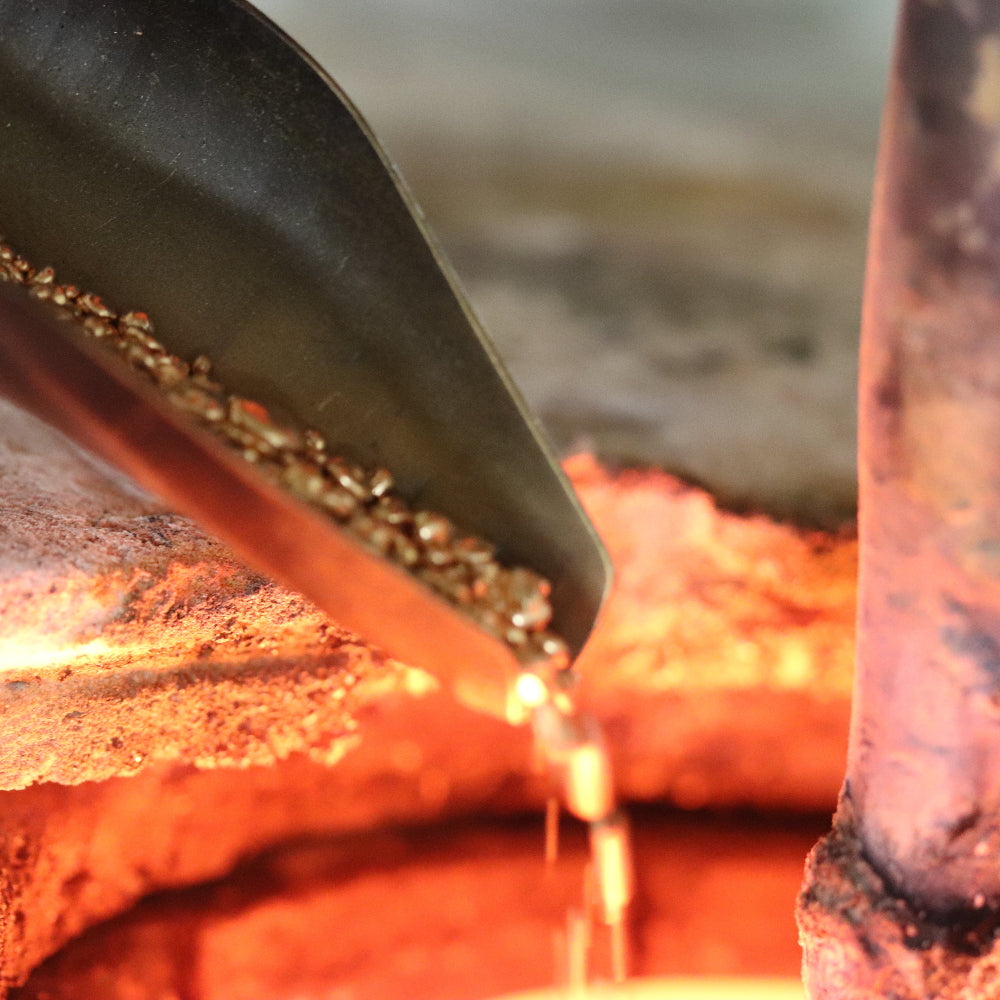
When we produce rose gold, we add even more copper than we do when producing red gold.
Rose gold is highly appreciated for its color to combine in multi-colored rings. For those who want something different and want to stand out in their wedding or engagement rings.
14K rose gold
58.5% fine gold. The remaining metals are copper, silver and zinc.

All our alloys
In addition to our various gold alloys, we also offer platinum, palladium, titanium and silver in our rings.
Platinum
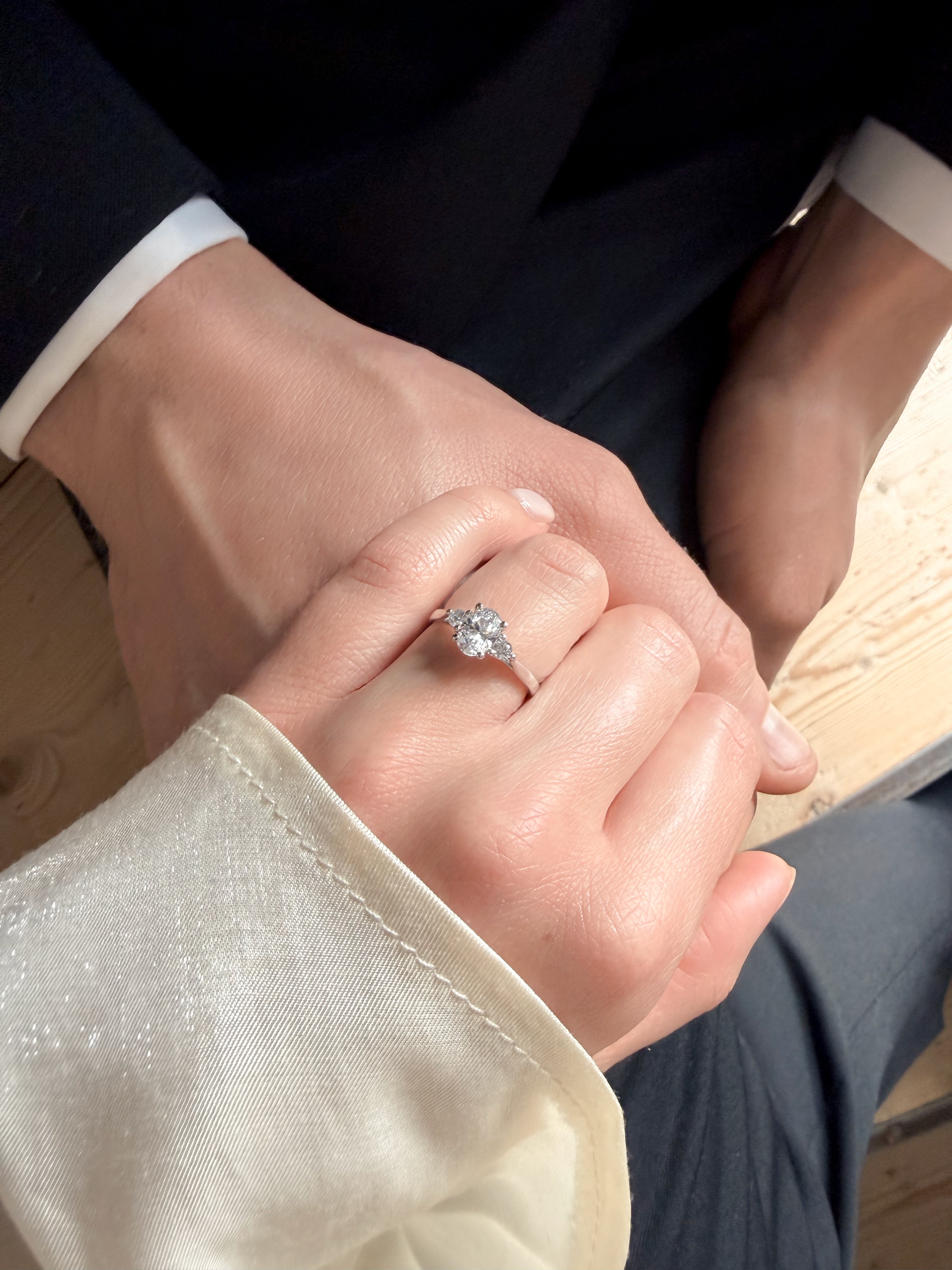
This is the king of the precious metal throne! Platinum is a white, durable precious metal with a high density. Our alloy consists of 95% platinum. A big advantage of platinum is that you never need to rhodium-plate your platinum jewelry. More and more people are choosing to have their wedding or engagement ring made of platinum, precisely because of the beneficial properties that this luxurious metal has. Especially in diamond rings where the settings hold up very well and are more durable than gold.
Palladium
Palladium is a precious metal from the platinum family. The palladium used in our rings is an alloy called palladium 500. It consists of 50% pure palladium, 35% silver and 15% copper. Palladium is a durable and hard-wearing metal that, with its beautiful grey colour, has similar properties to both platinum and white gold.
Titanium
Titanium is a hard but light metal that, like palladium, is a beautiful gray in tone. One of titanium's many positive properties is that the metal is particularly suitable for those who suffer from some kind of metal allergy. Our titanium rings are made of pure titanium metal without any admixture of other metals. Compared to gold, titanium is more impact-resistant, but can still be scratched.
Silver
Many of our rings can be ordered in 935 silver, an alloy that contains 93.5% pure silver. This is a higher silver content than many other brands use, which makes the metal more resistant to tarnishing. The remaining 6.5% consists of copper. At Schalins, we do everything we can to ensure that your silver jewelry retains its beautiful luster for as long as possible.
Why can silver discolor?
Silver can discolor when it comes into contact with sulfur, which is naturally found in our environment. Sulfur is found in the air, on the skin, in some soaps, medicines, foods such as onions, on painted surfaces, in fabrics, plastics, cigarette smoke and fossil fuels. When silver reacts with sulfur, a chemical compound is formed that can give the metal a darker tone. To maintain the luster of your silver jewelry, we recommend regular cleaning and careful handling.
What do I do if my silver ring turns black or gray?
Wash your ring with a non-abrasive cleaner from time to time. If you need to put your ring away on occasion, it is a good idea to store it in a plastic bag. The surface can of course be polished and washed again, but there is nothing you can do to generally avoid the process altogether as there are many factors at play.
As mentioned, a silver ring from Schalins is more resistant to this, but it also depends on how much sulfur your ring is exposed to.