


 Platinum
 White gold
 Yellow gold
 Red gold
 Rose gold
 Silver
 Titanium
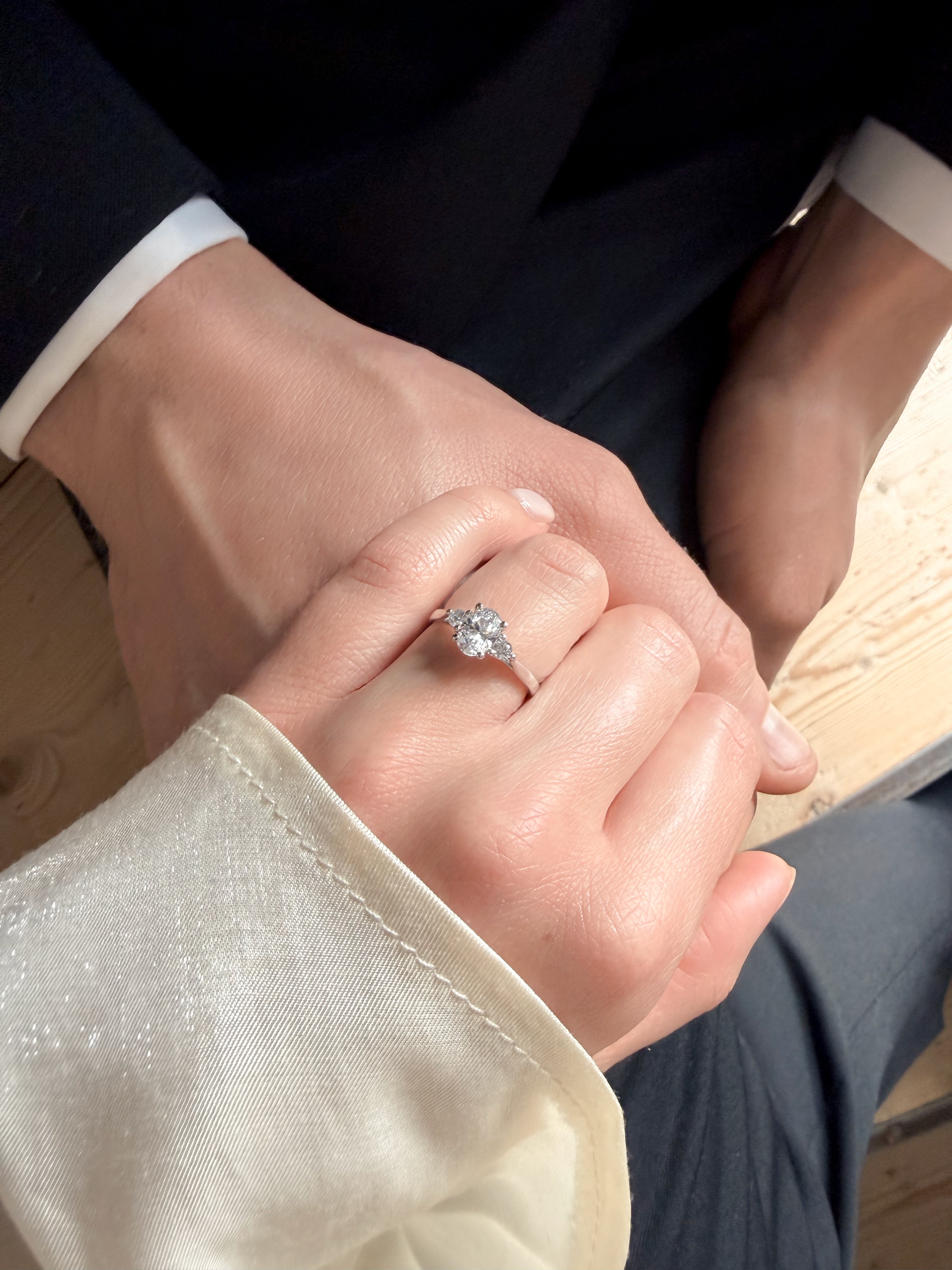
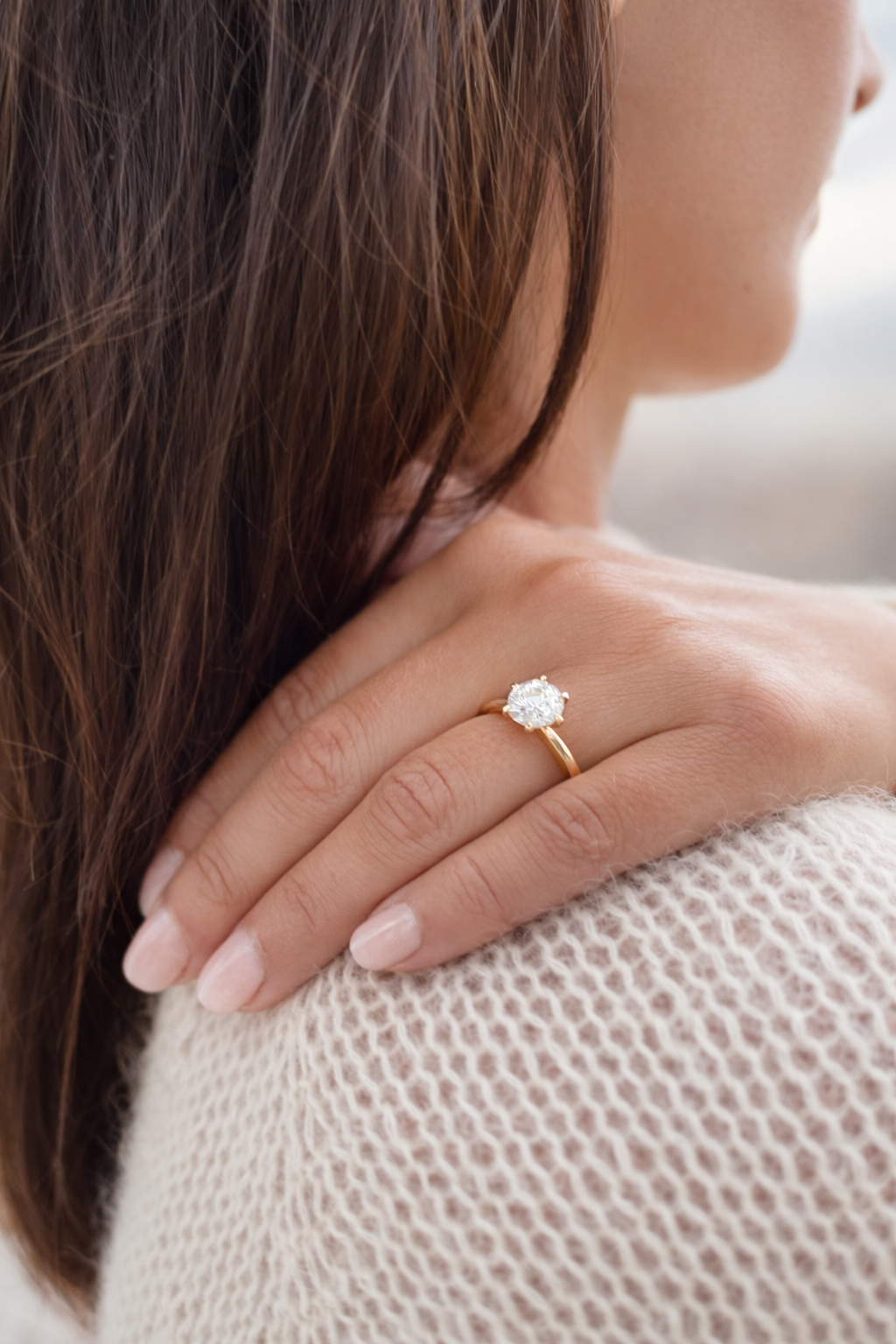



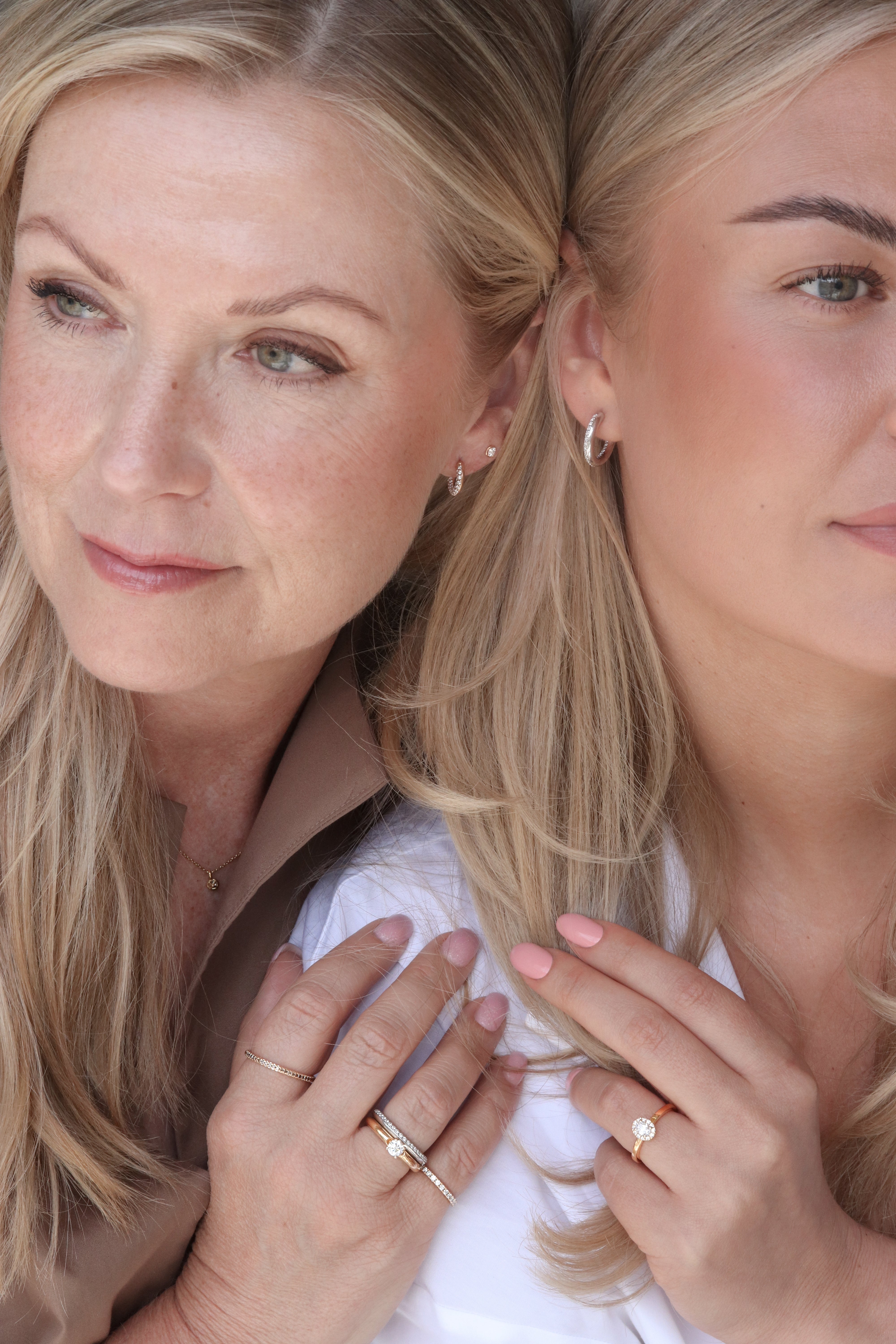
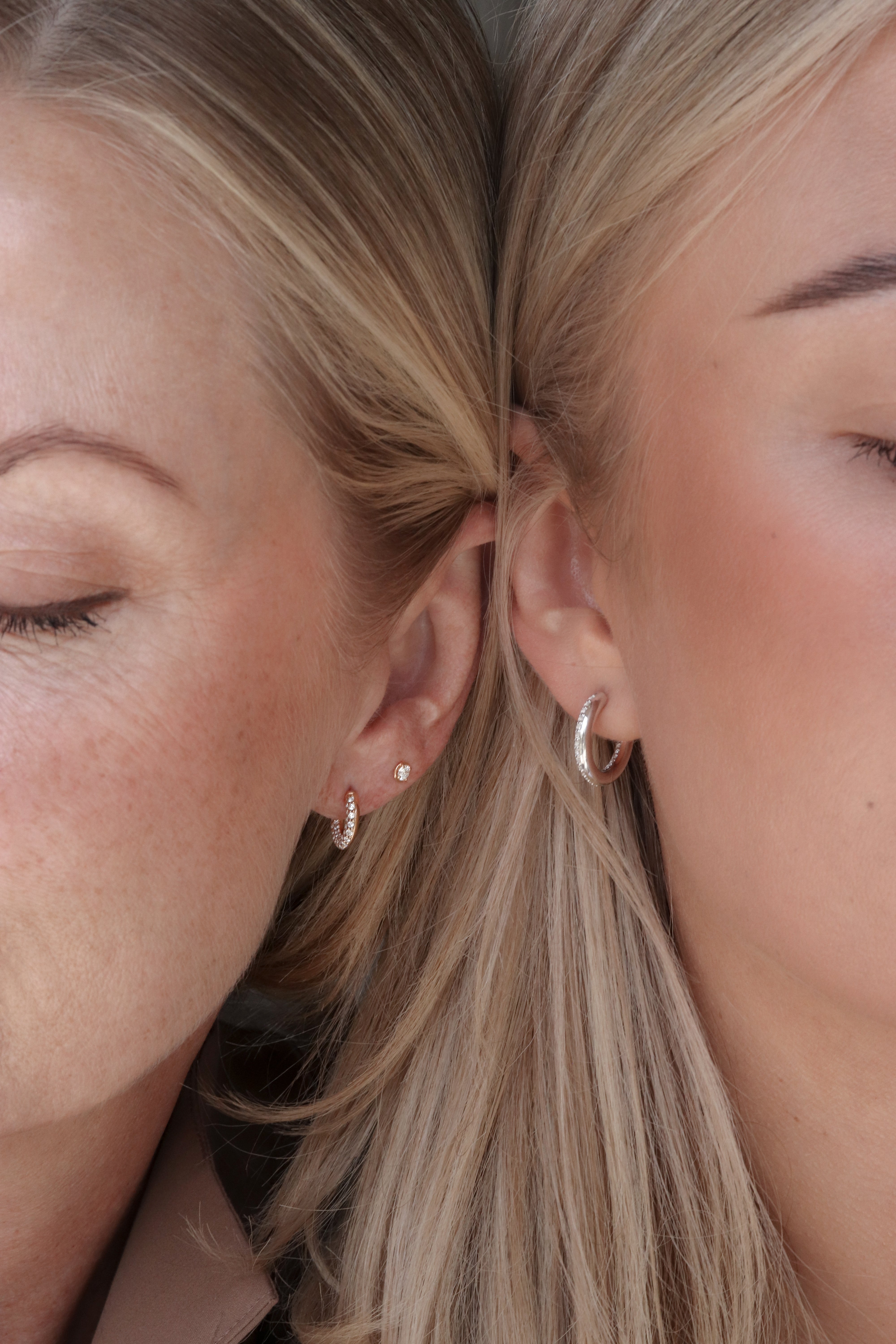
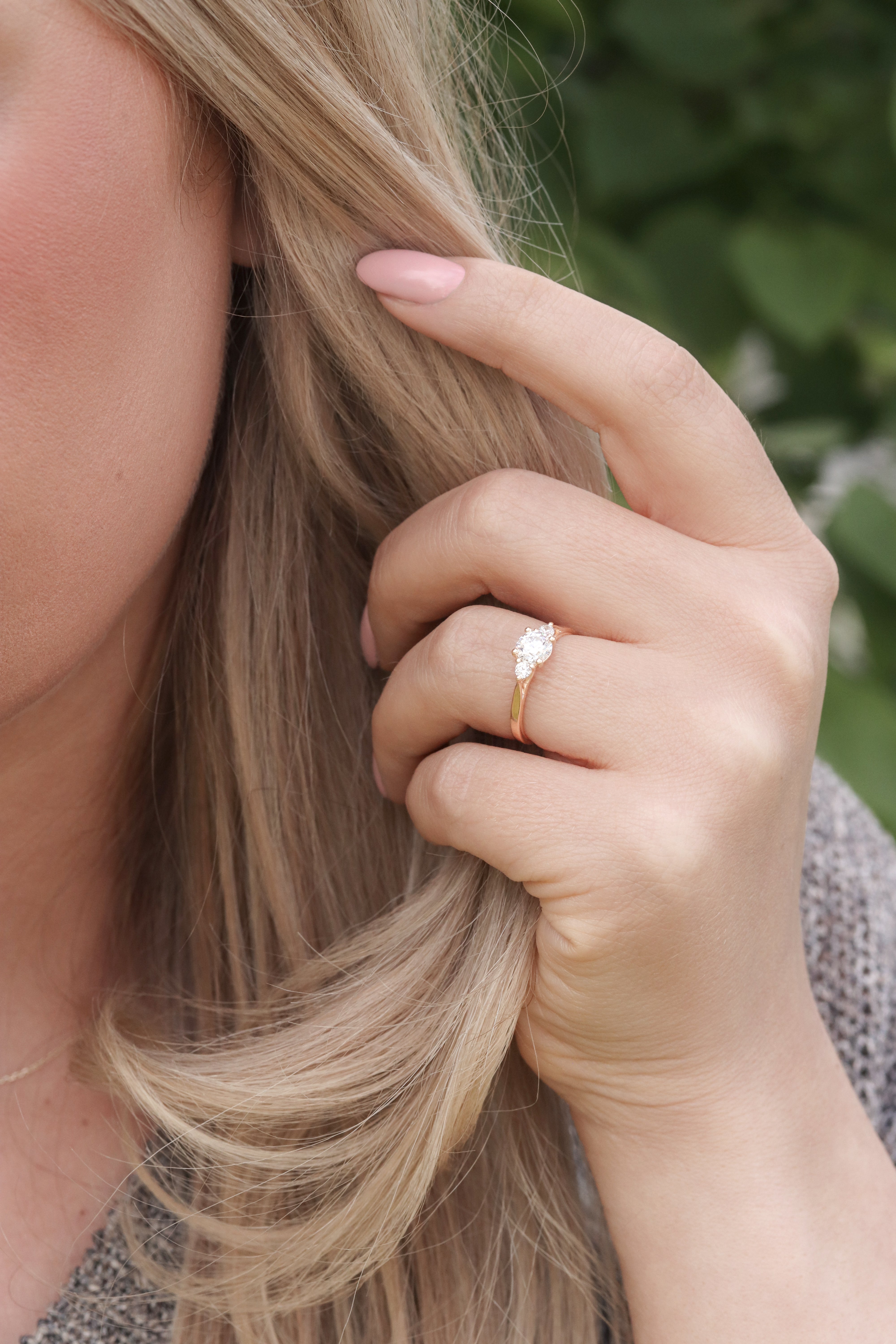
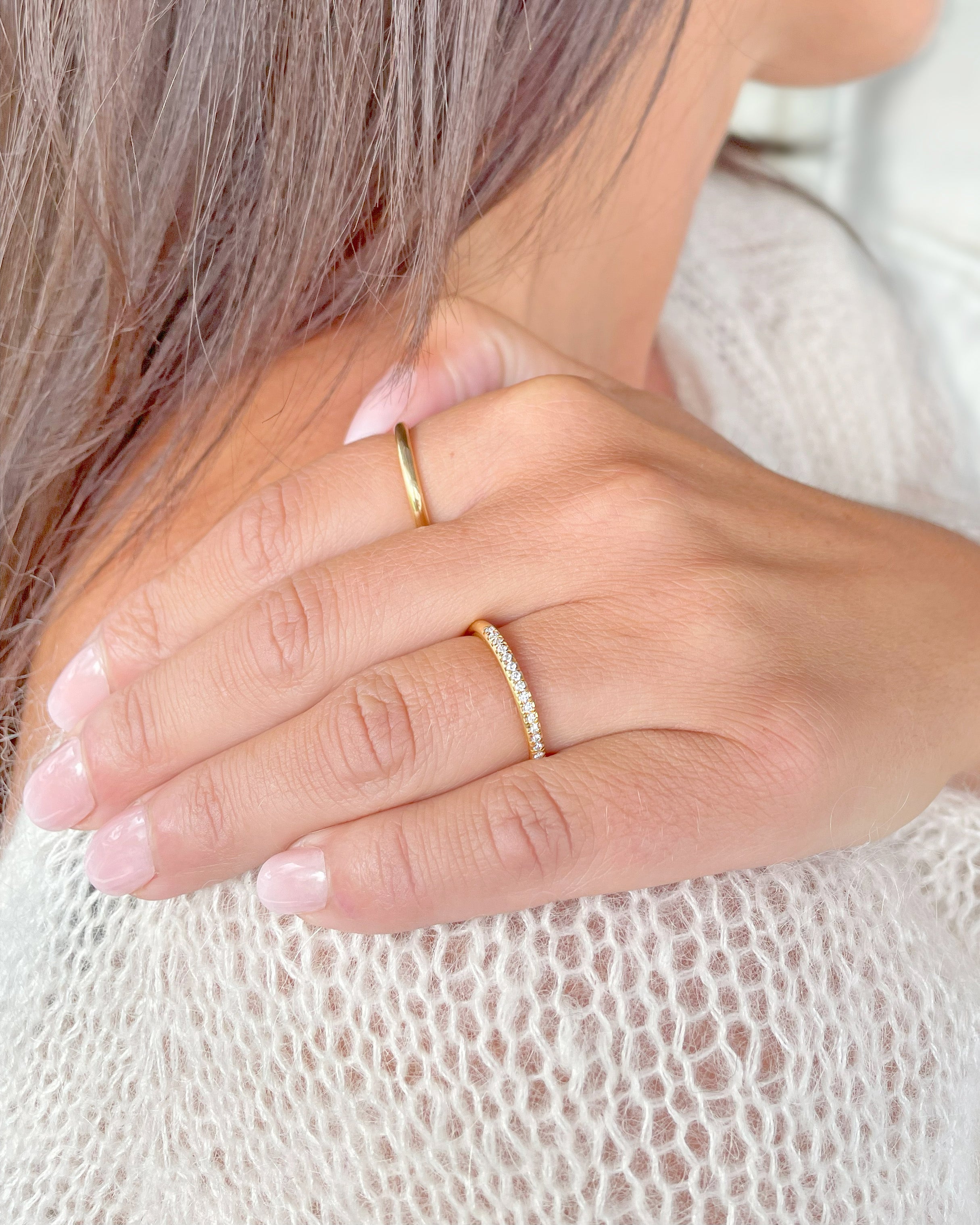
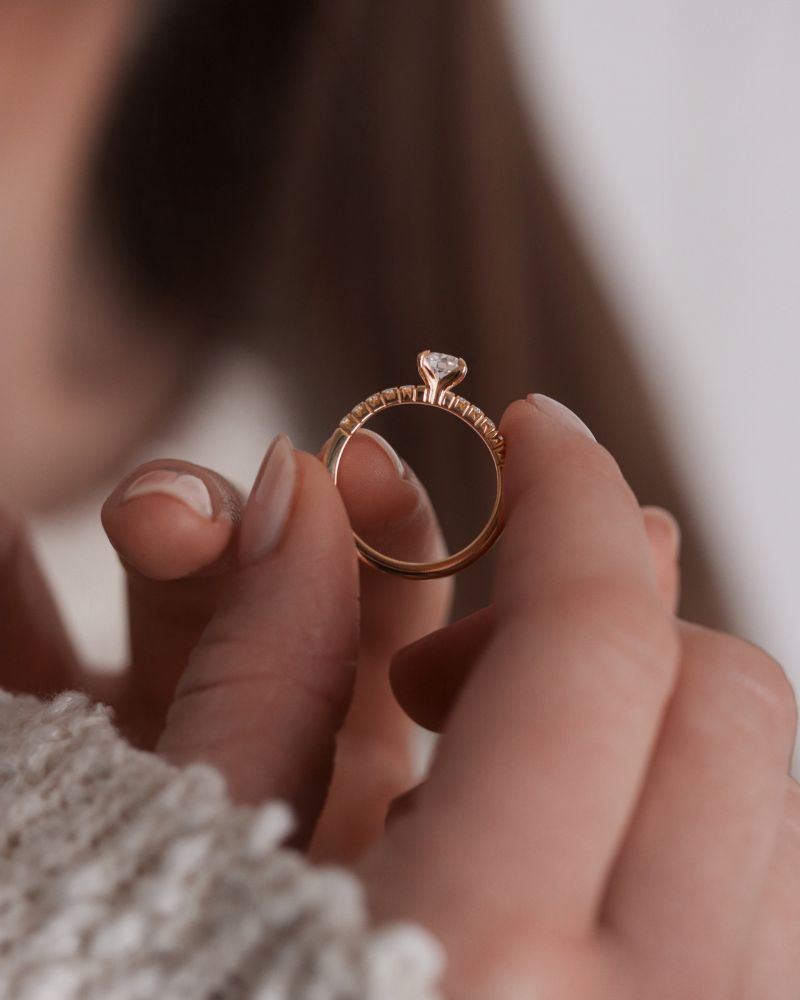
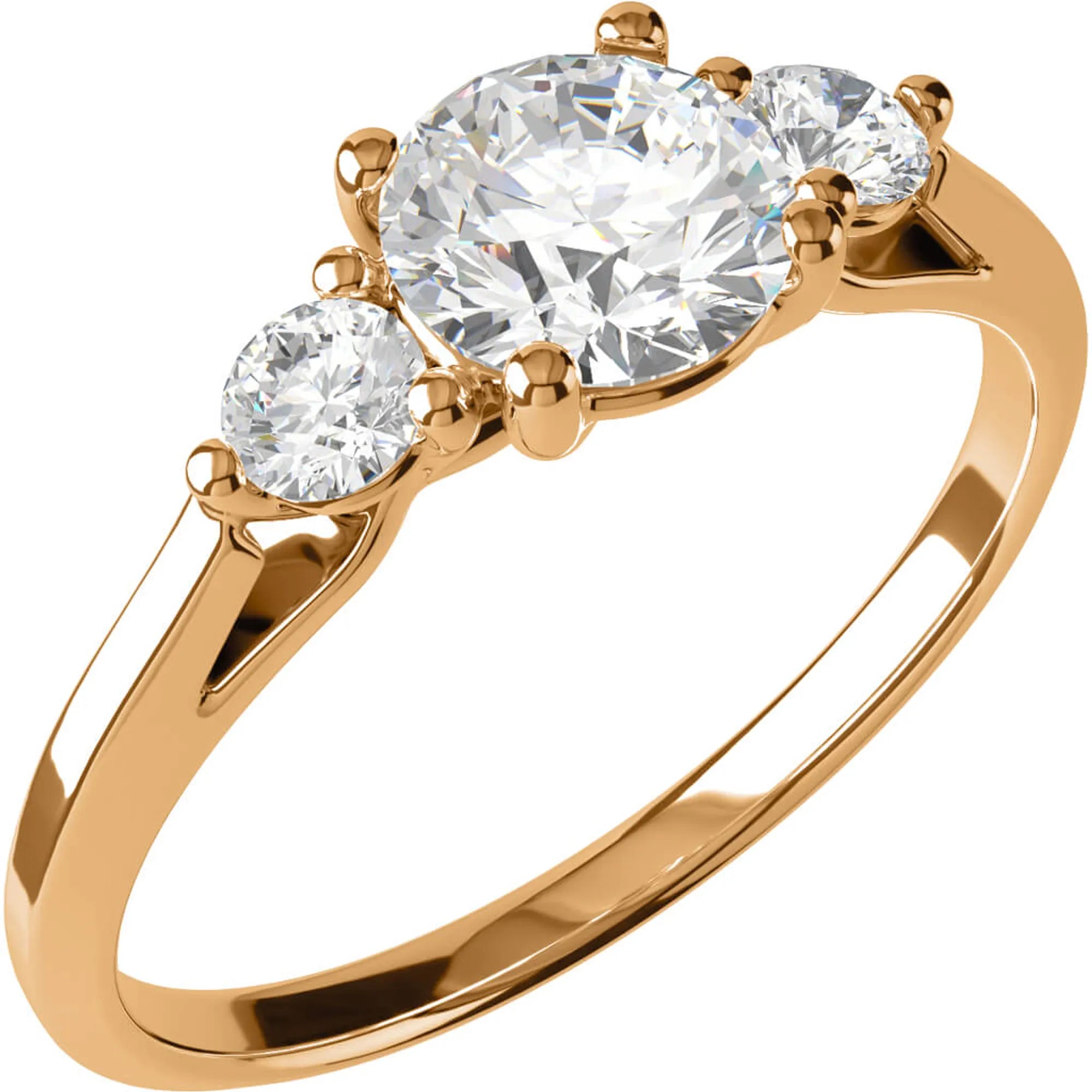
EternaTrestensring Briljantslipad i rödguld 18KFrom 26,600 SEK
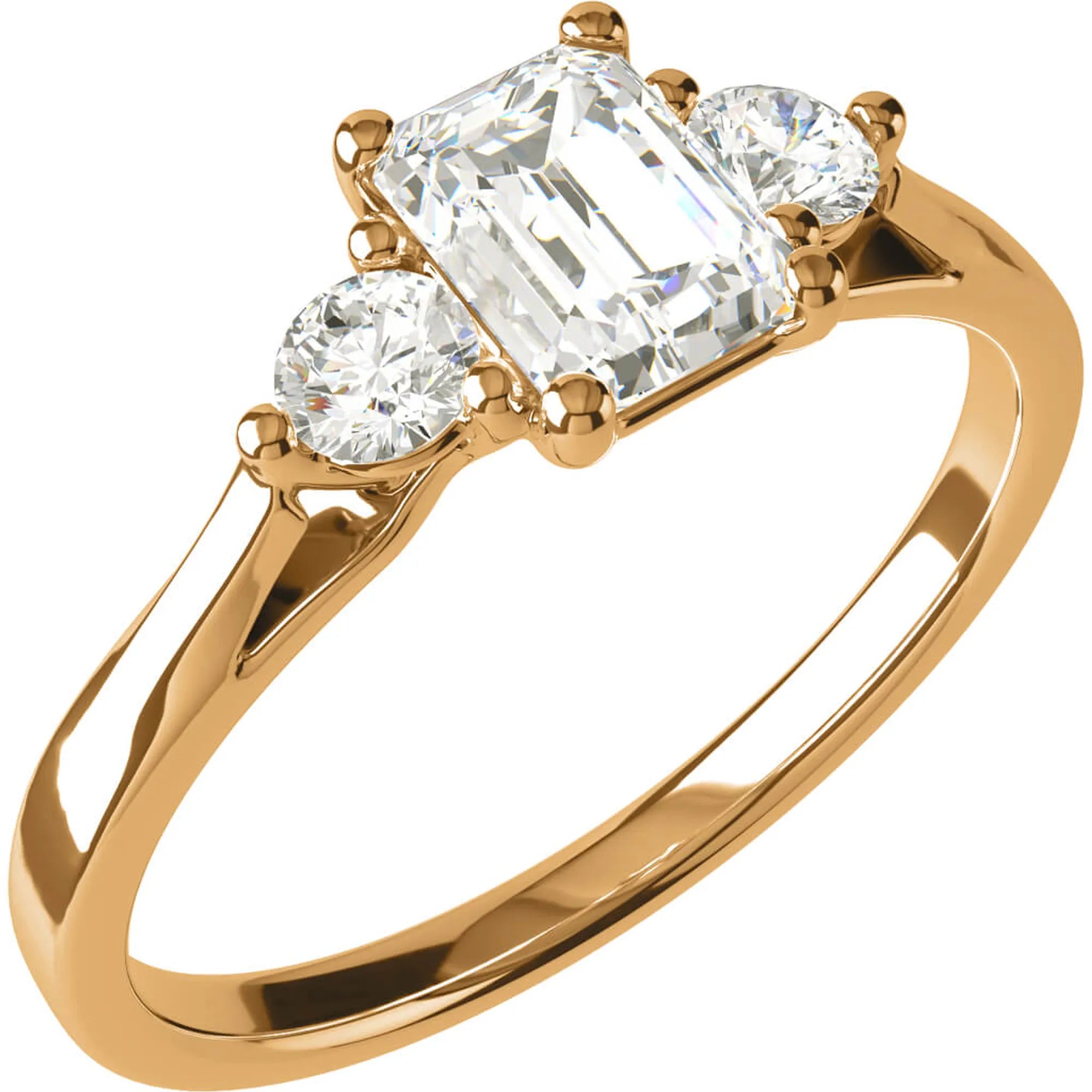
EternaTrestensring Smaragdslipad i rödguld 18KFrom 26,100 SEK
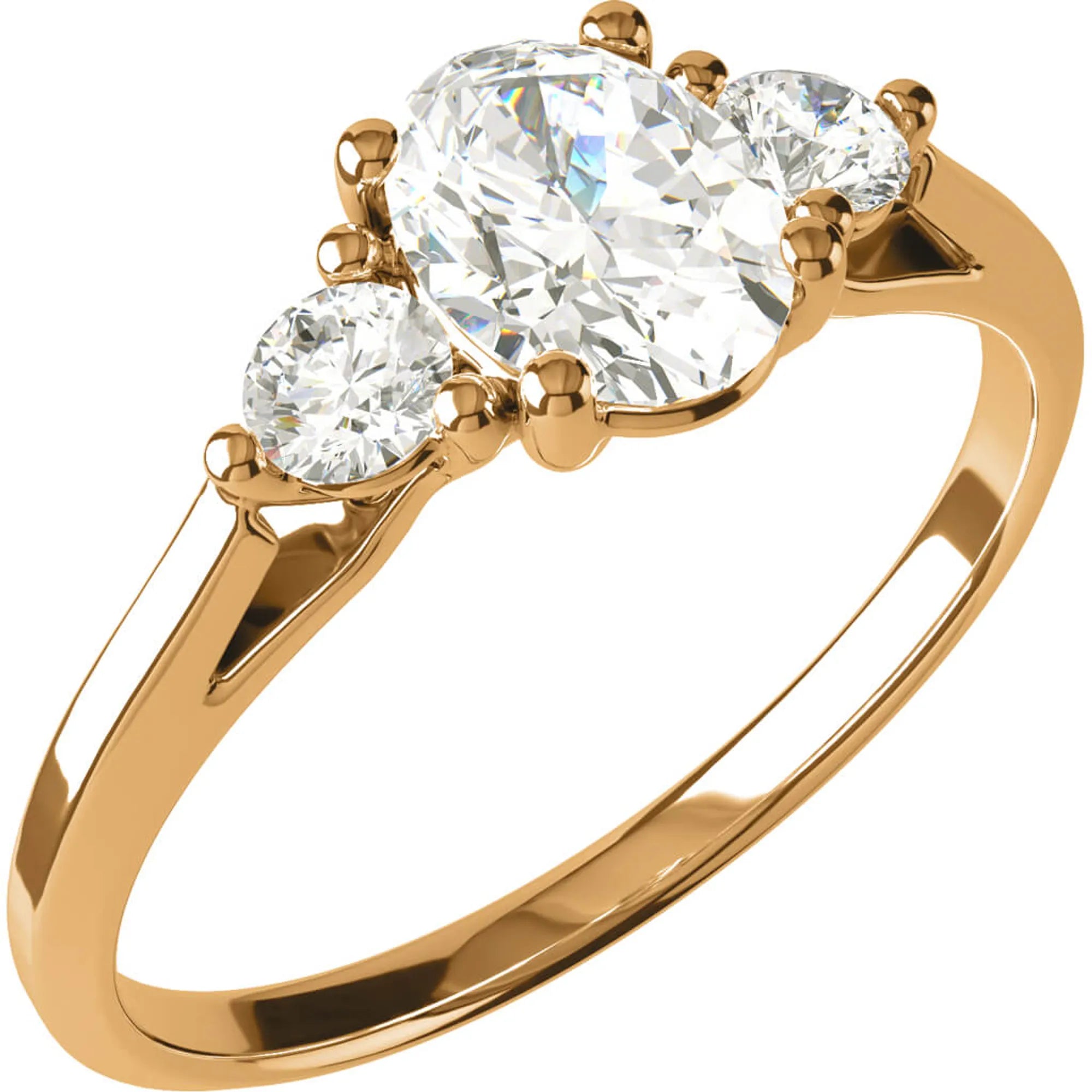
EternaTrestensring Ovalslipad i rödguld 18KFrom 26,500 SEK
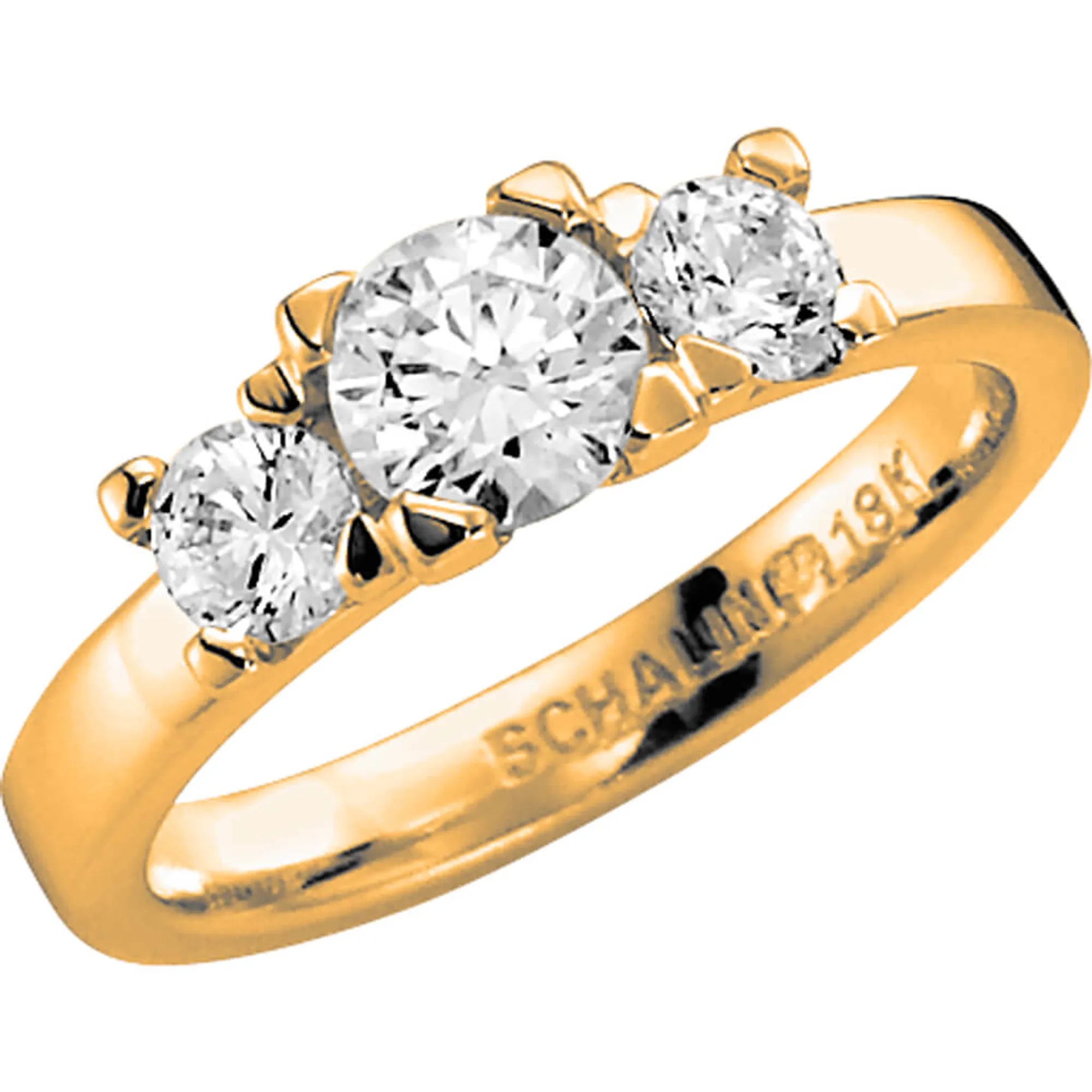
WishThree stone ring in red gold 18K75,200 SEK
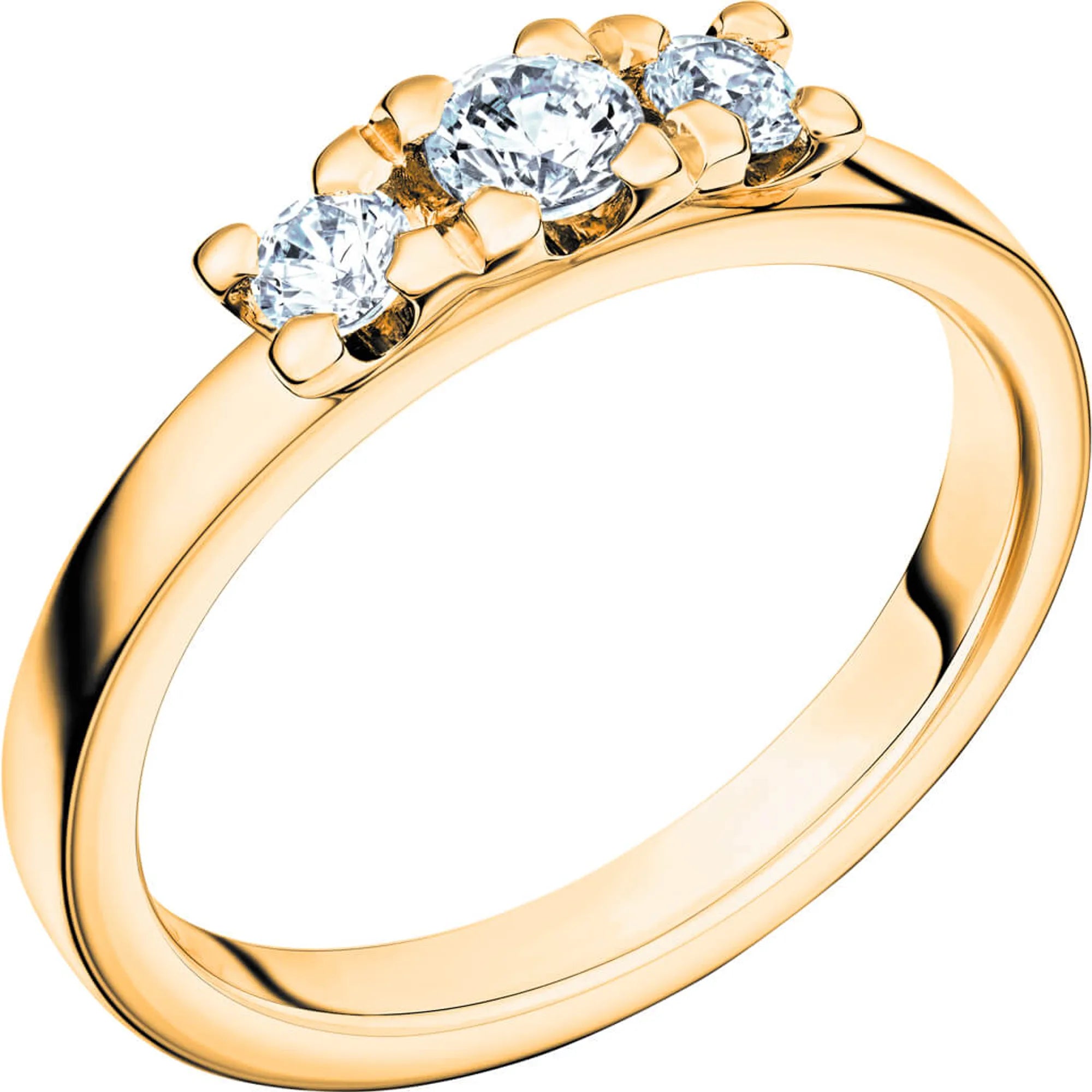
GlitterThree-stone ring in 18K red gold29,200 SEK
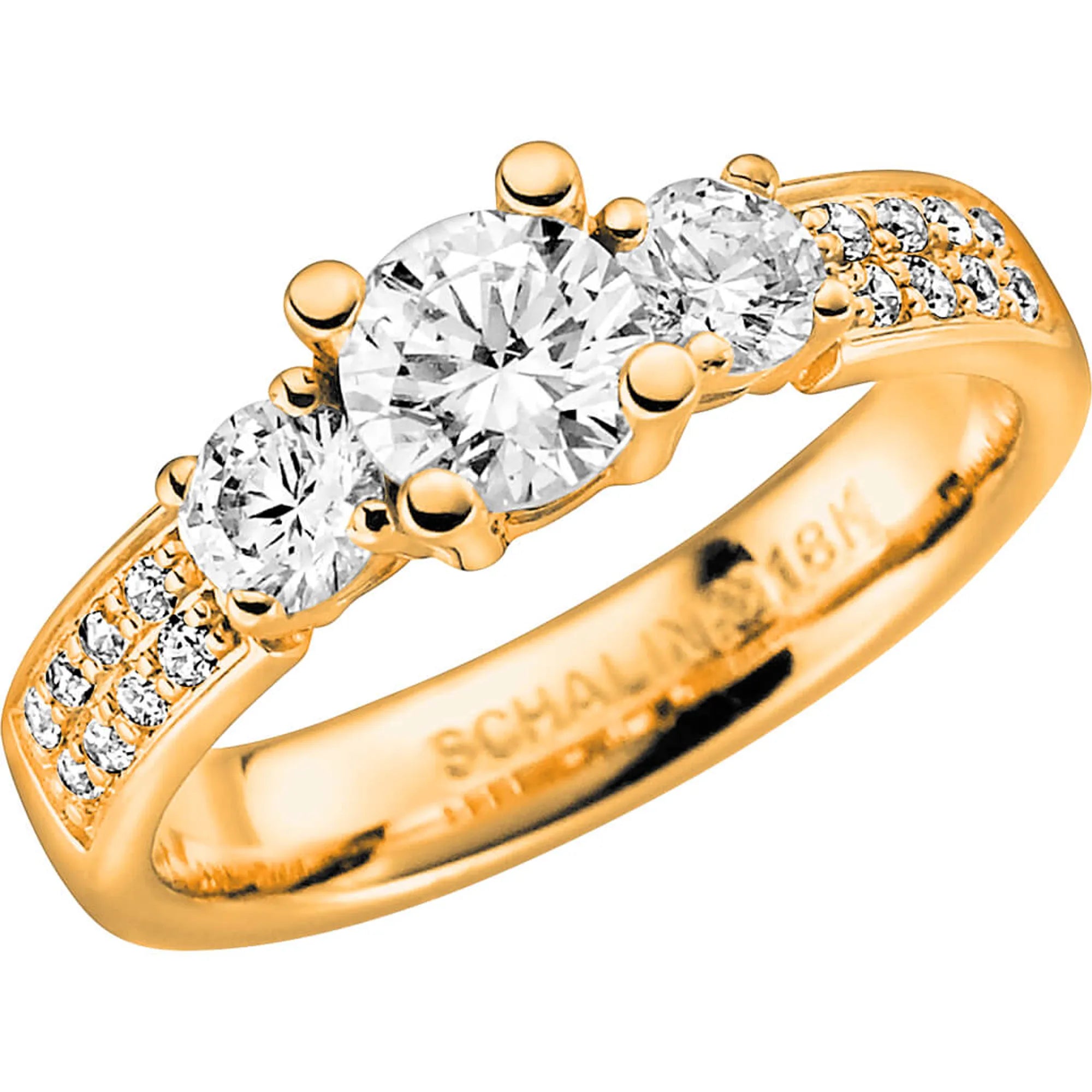
CarmenThree-stone ring in 18K red gold82,300 SEK
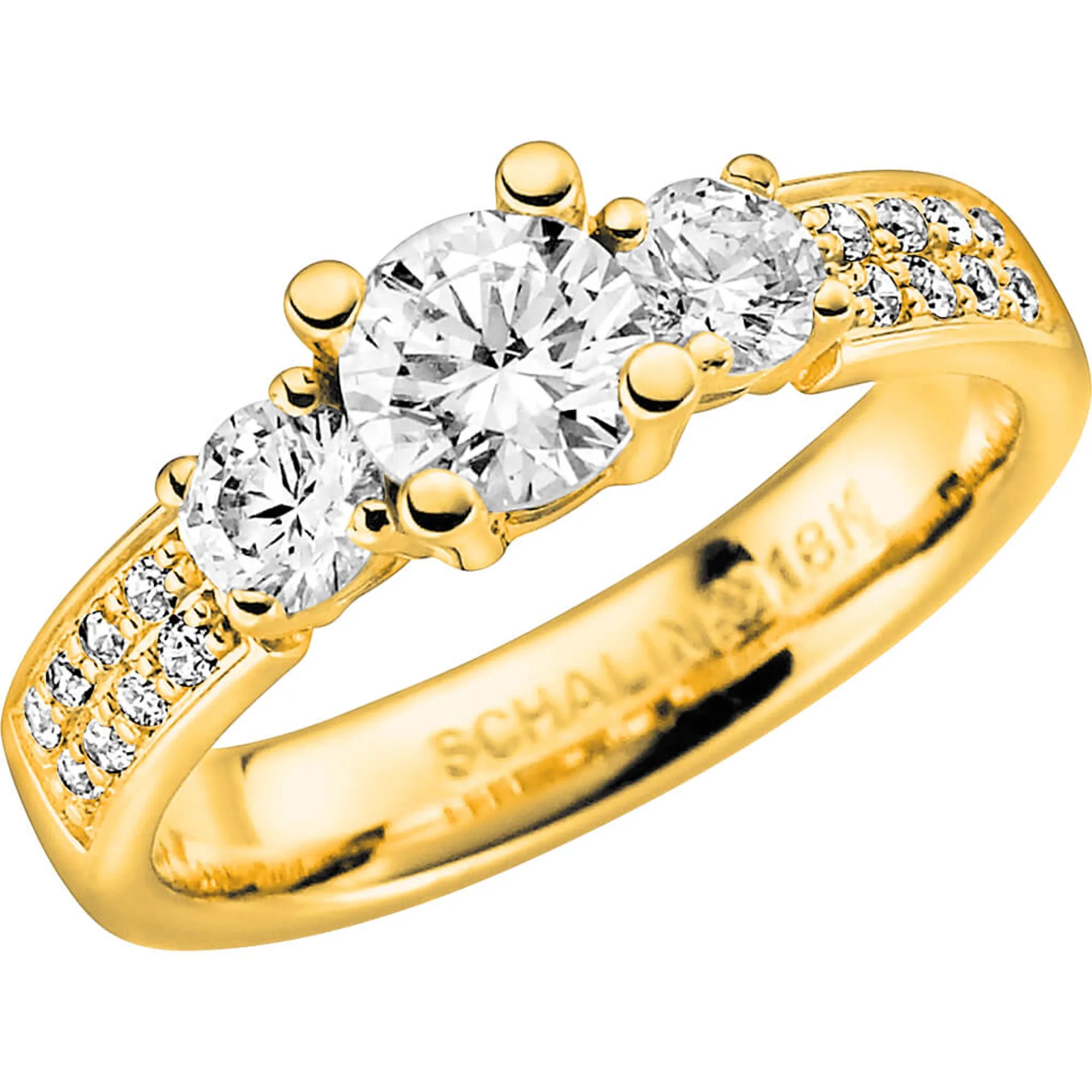
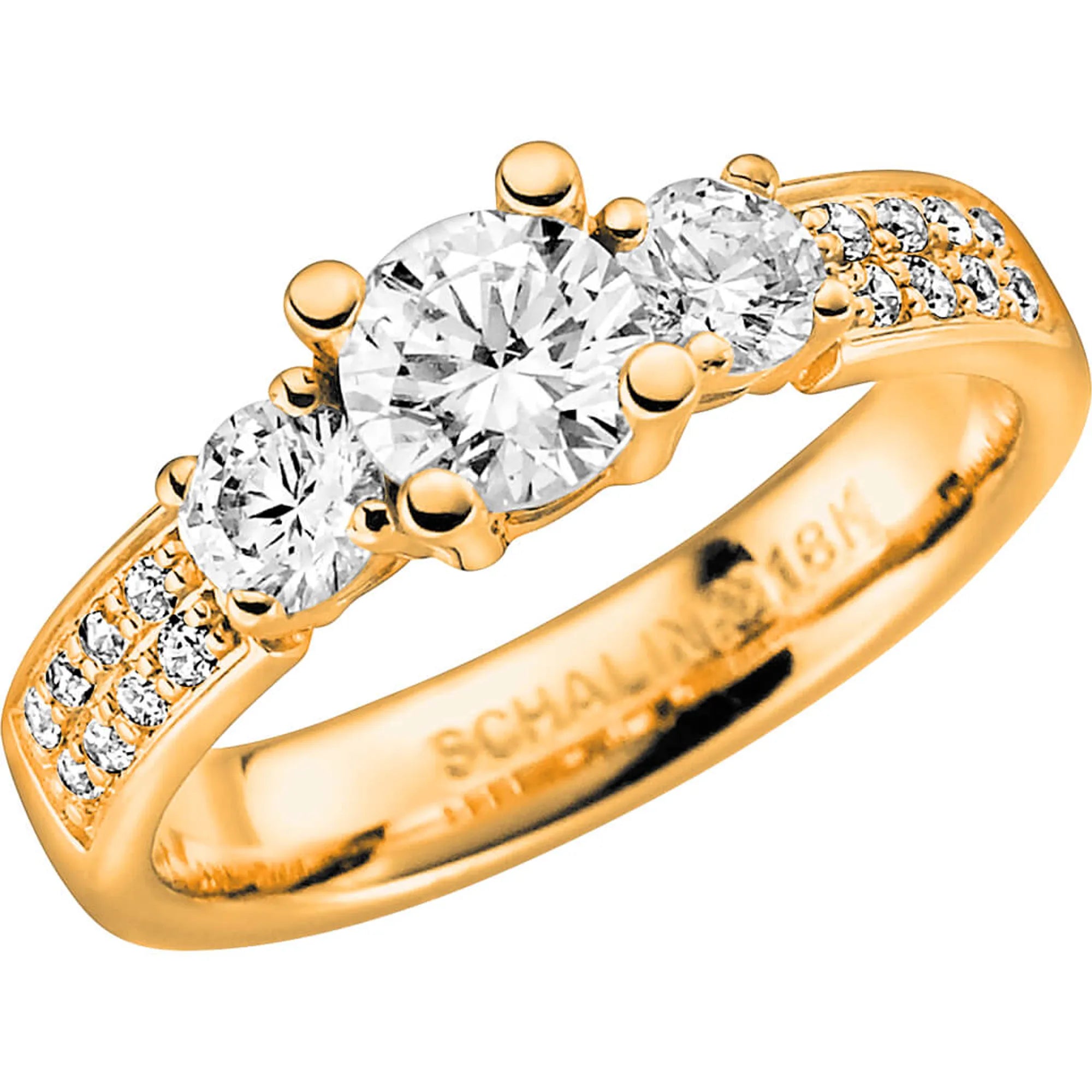
CarmenThree-stone ring in 14K red gold76,400 SEK
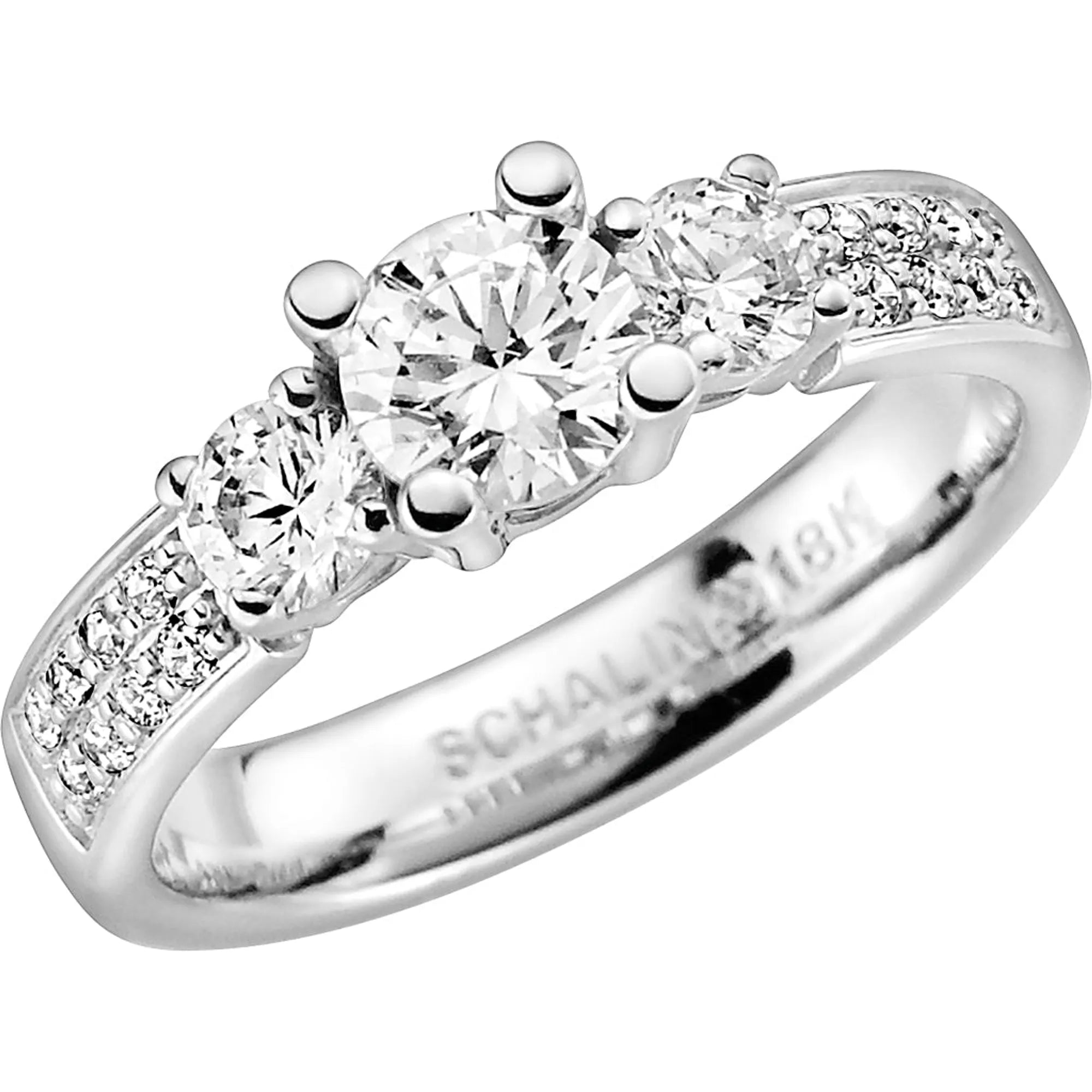
CarmenThree-stone ring in 14K white gold78,500 SEK
CarmenThree-stone ring in 18K white gold85,100 SEK
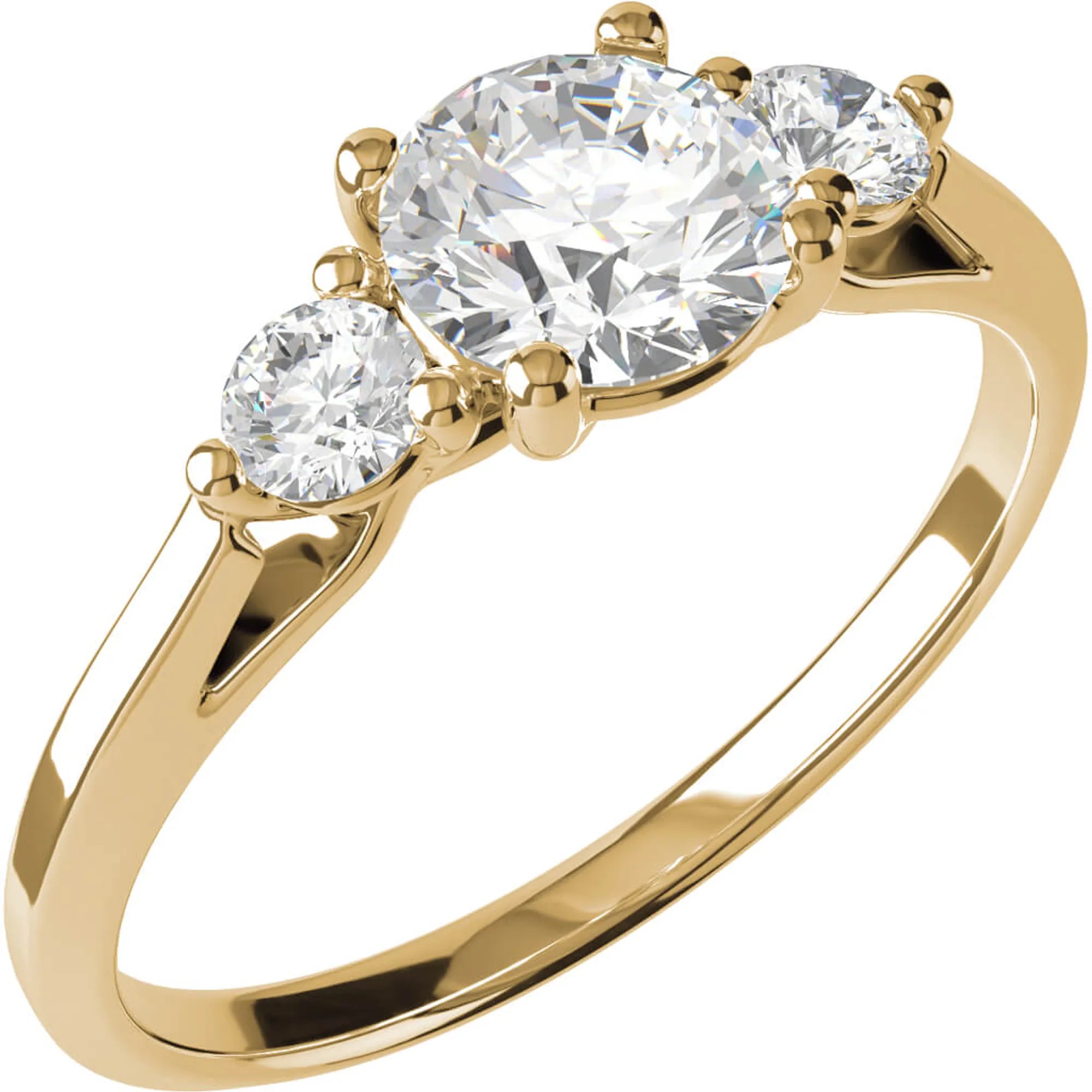
EternaTrestensring Briljantslipad i gulguld 18KFrom 26,600 SEK
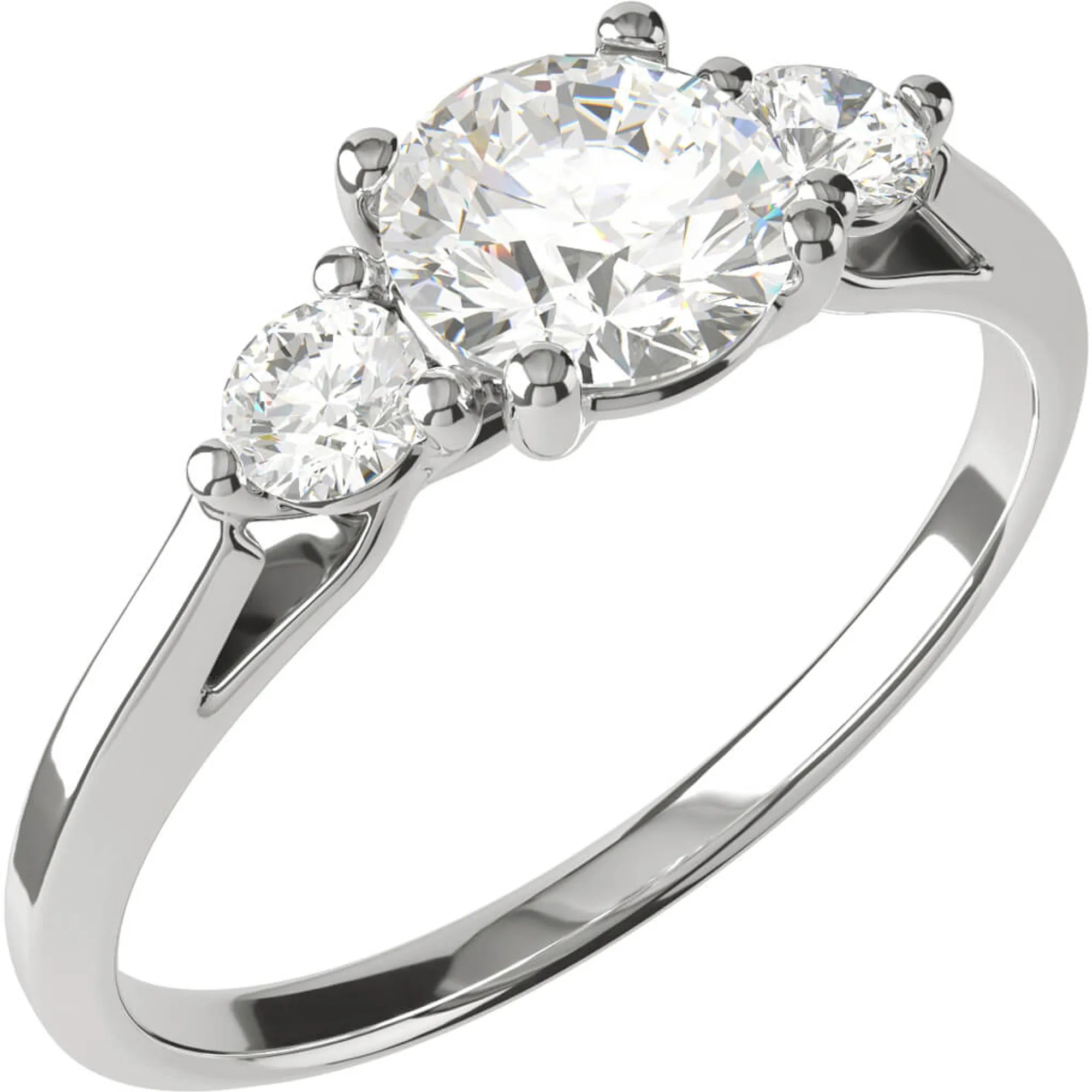
EternaTrestensring Briljantslipad i platinaFrom 27,600 SEK
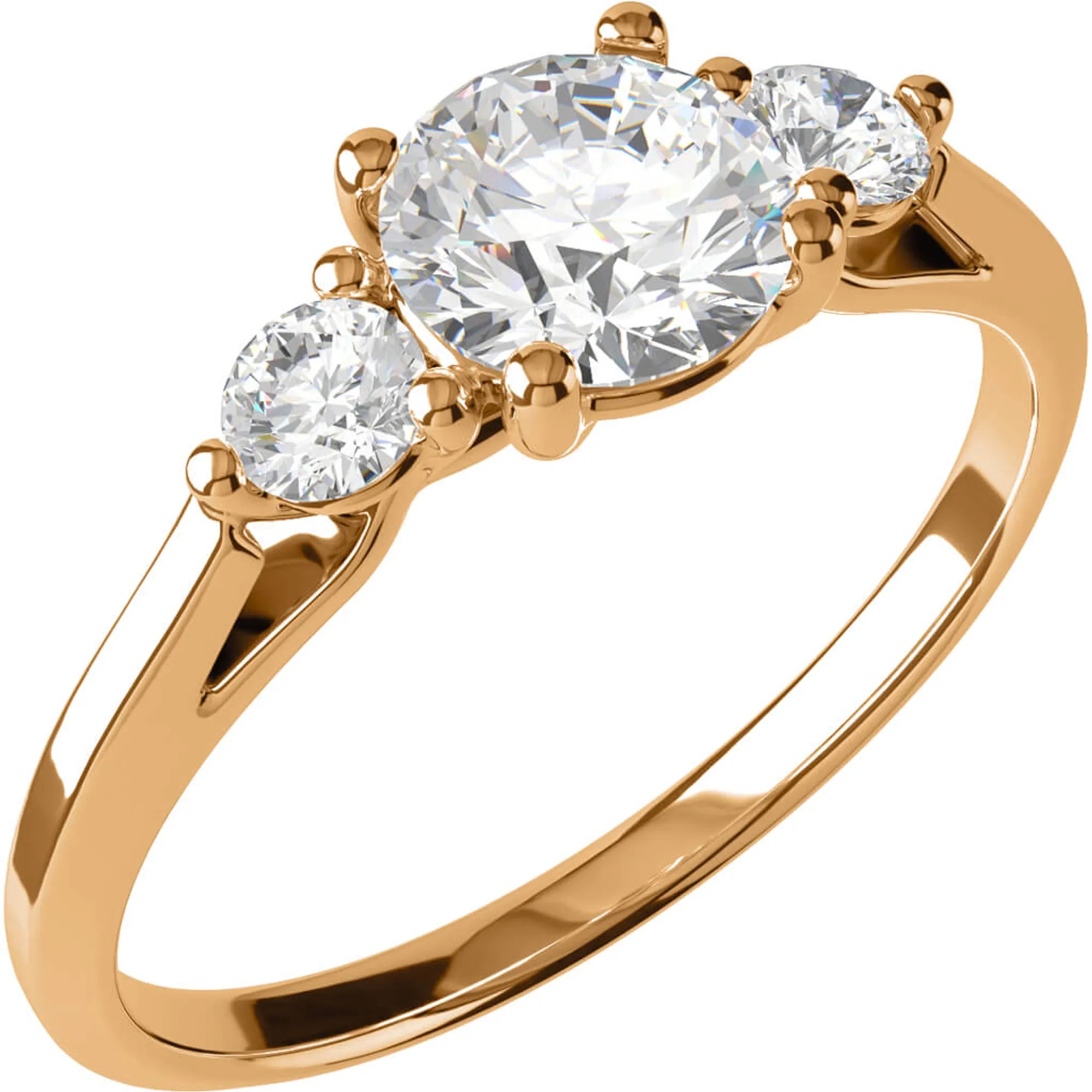
EternaTrestensring Briljantslipad i rödguld 14KFrom 24,500 SEK
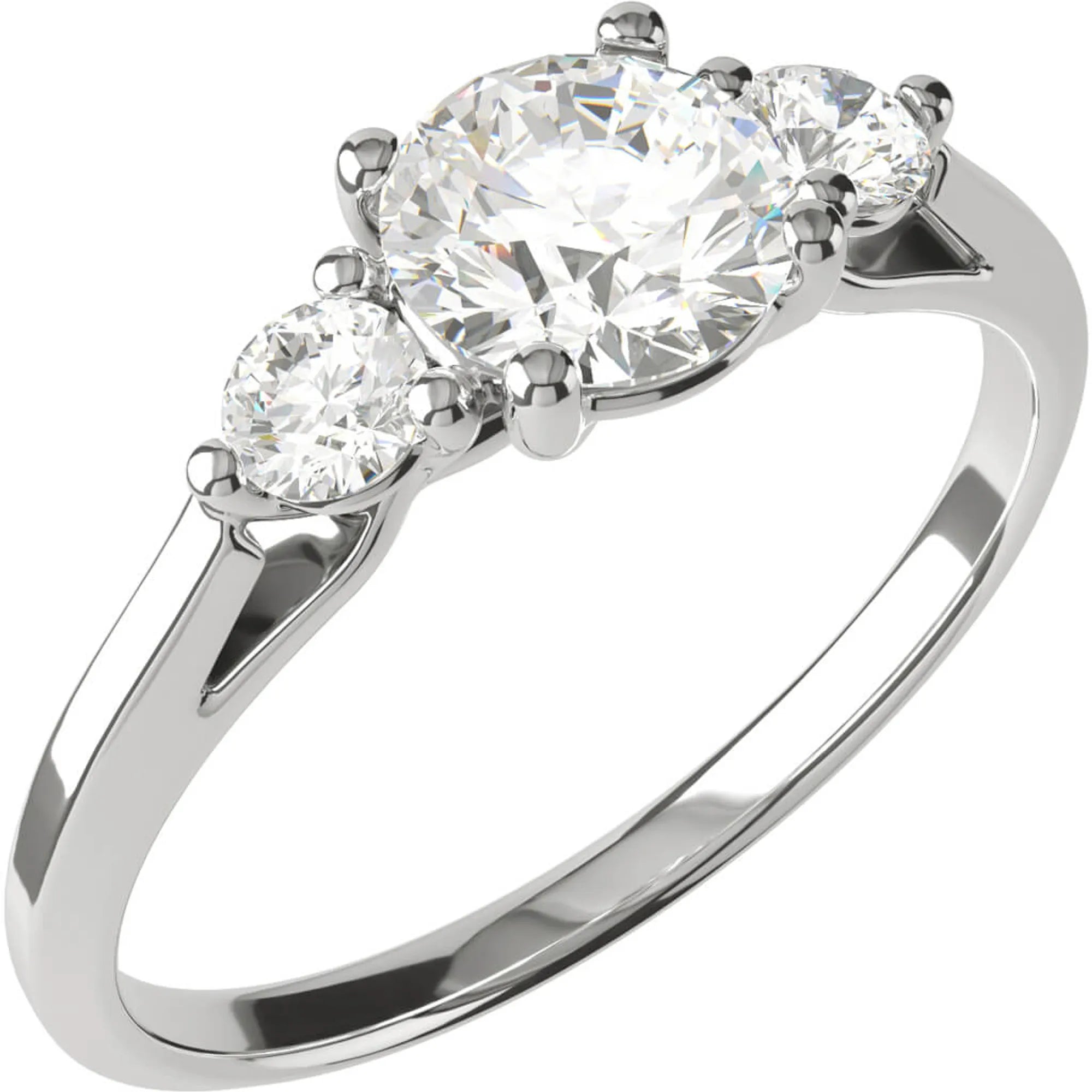
EternaTrestensring Briljantslipad i vitguld 14KFrom 25,500 SEK
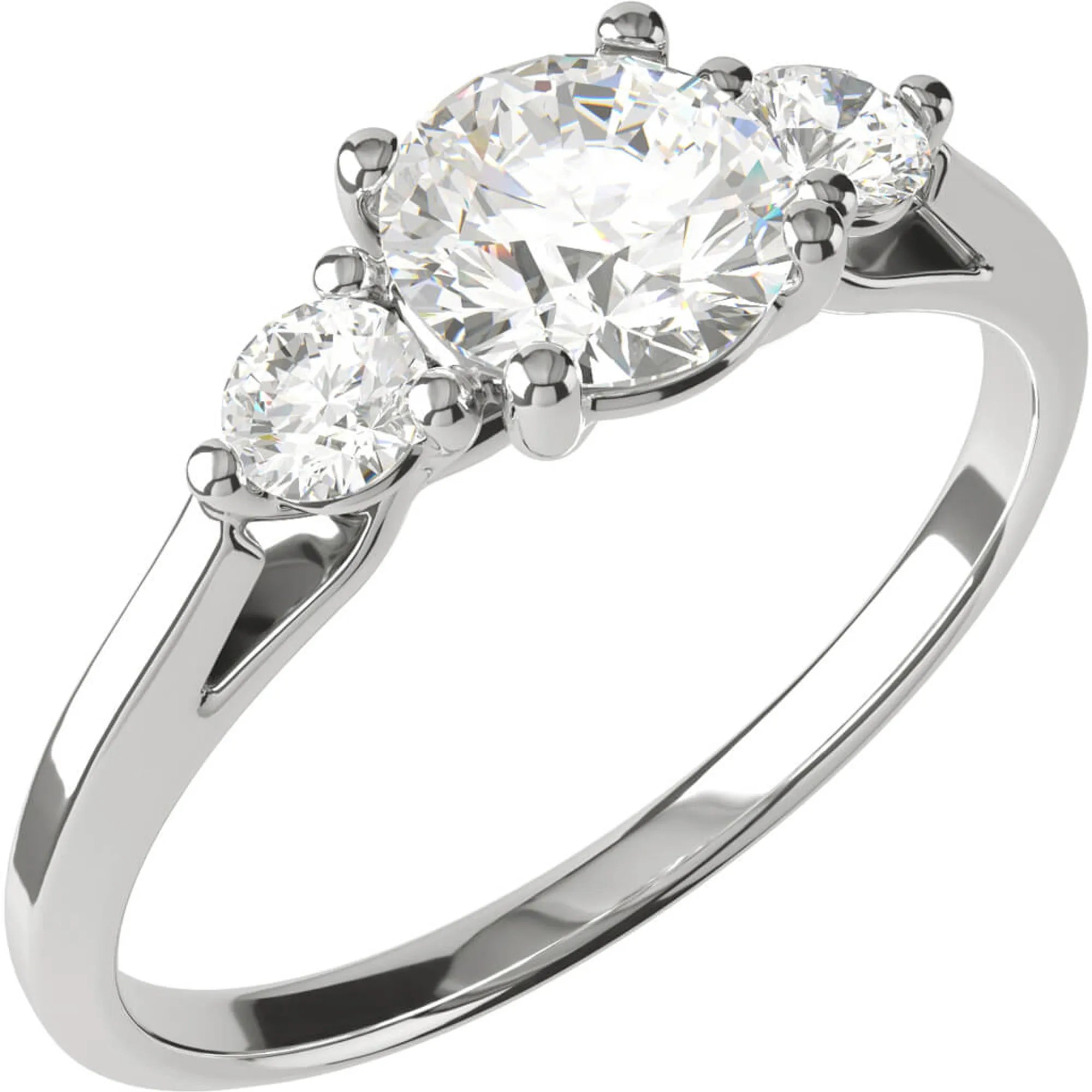
EternaTrestensring Briljantslipad i vitguld 18KFrom 27,800 SEK
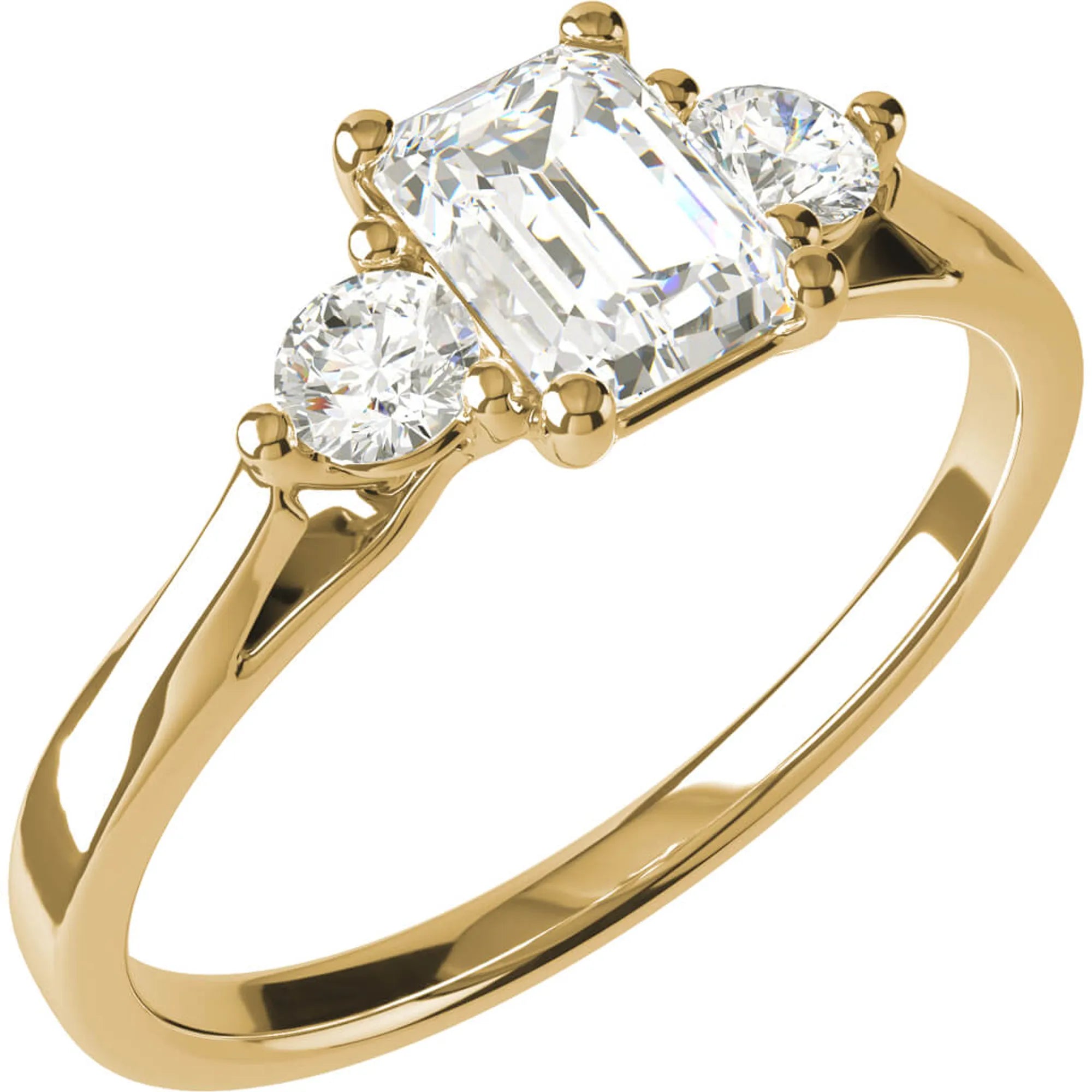
EternaTrestensring Smaragdslipad i gulguld 18KFrom 26,100 SEK
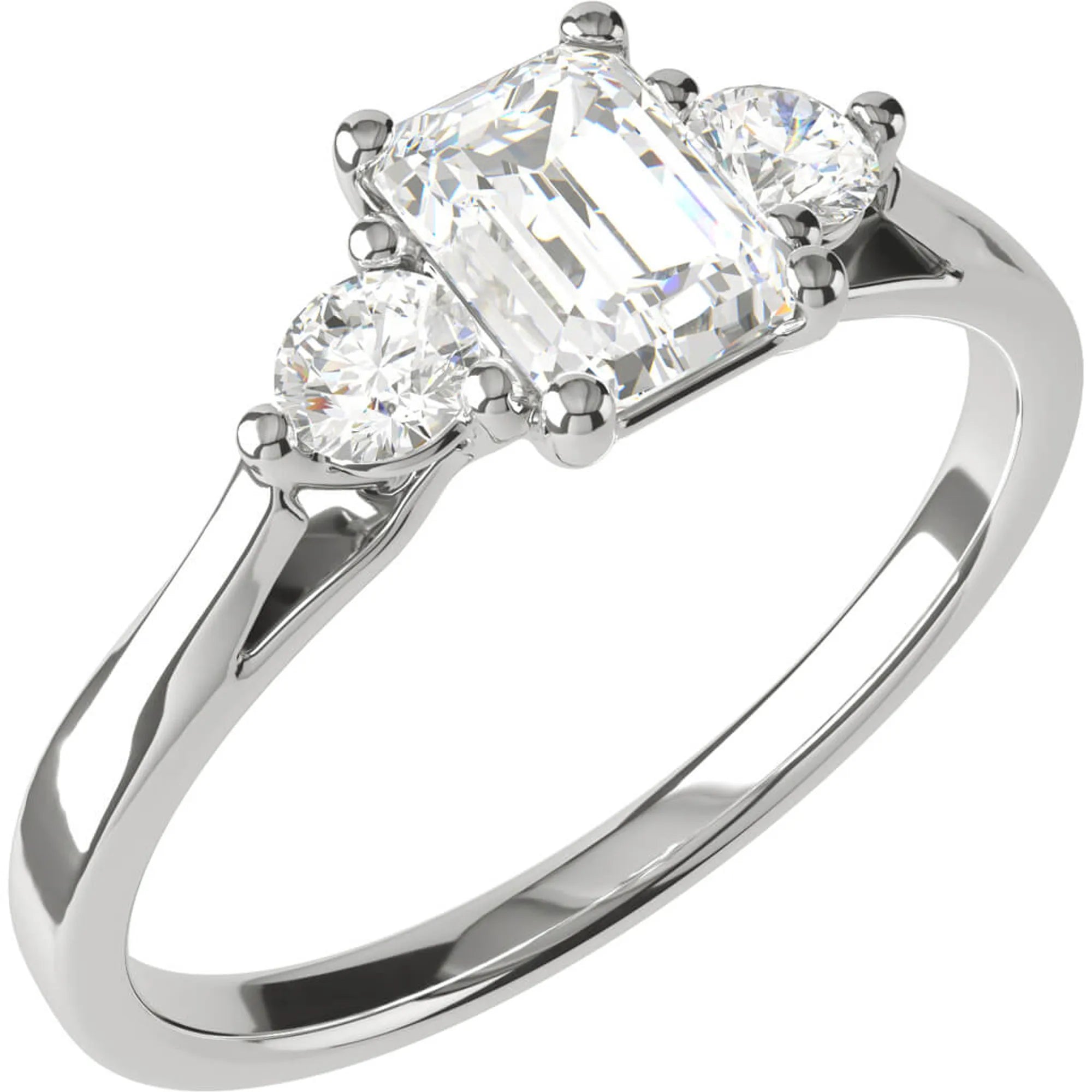
EternaTrestensring Smaragdslipad i platinaFrom 27,100 SEK
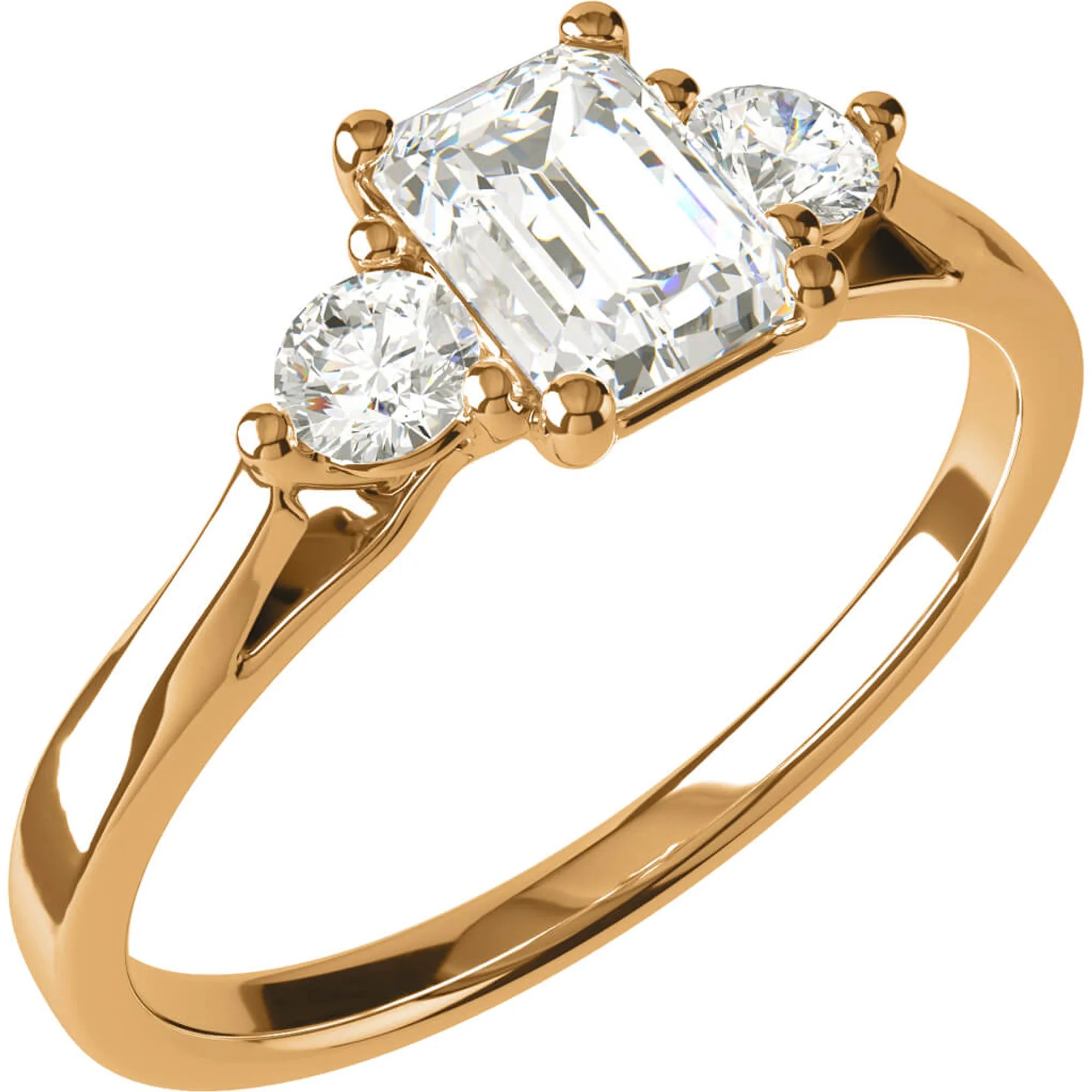
EternaTrestensring Smaragdslipad i rödguld 14KFrom 24,100 SEK
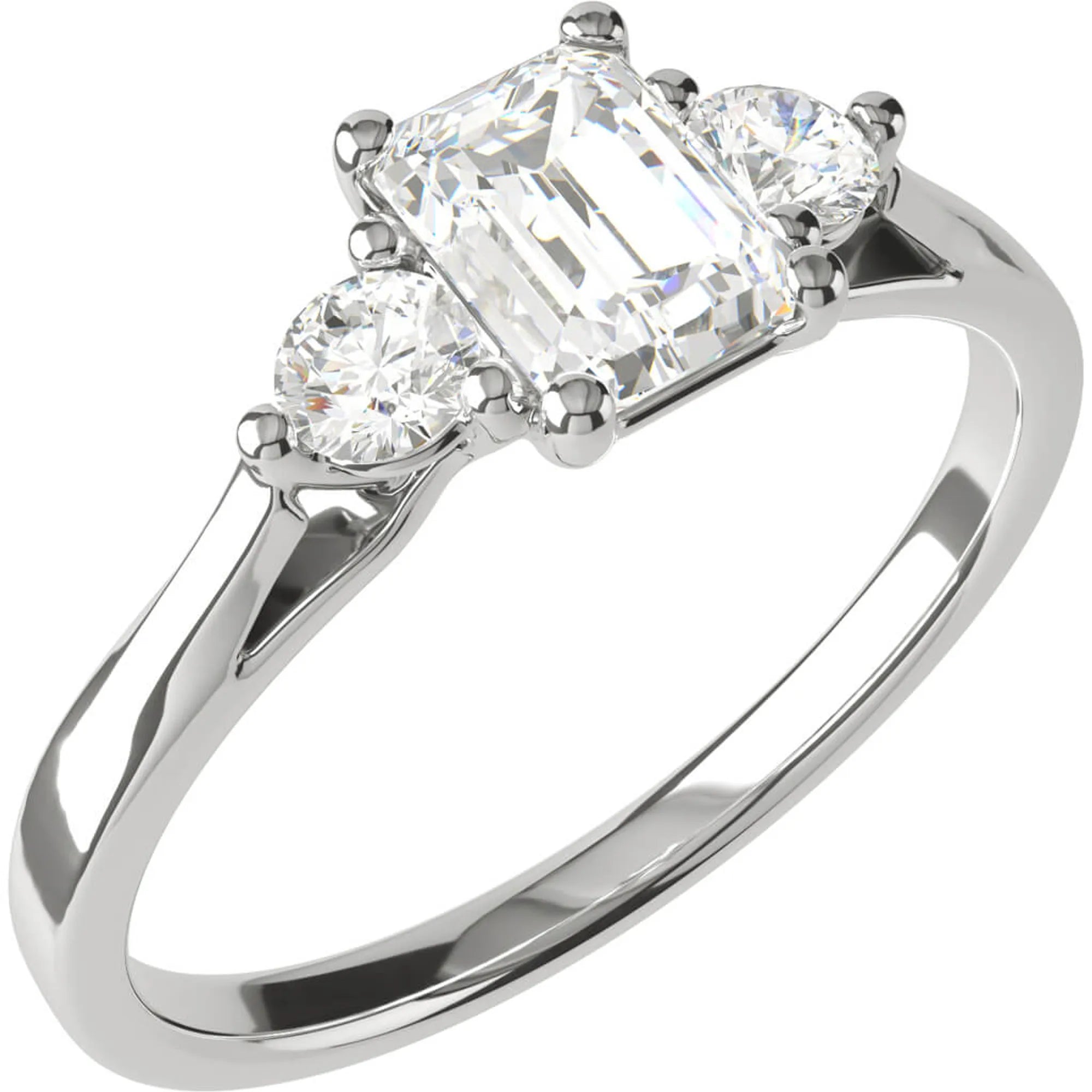
EternaTrestensring Smaragdslipad ivitguld 14KFrom 25,000 SEK
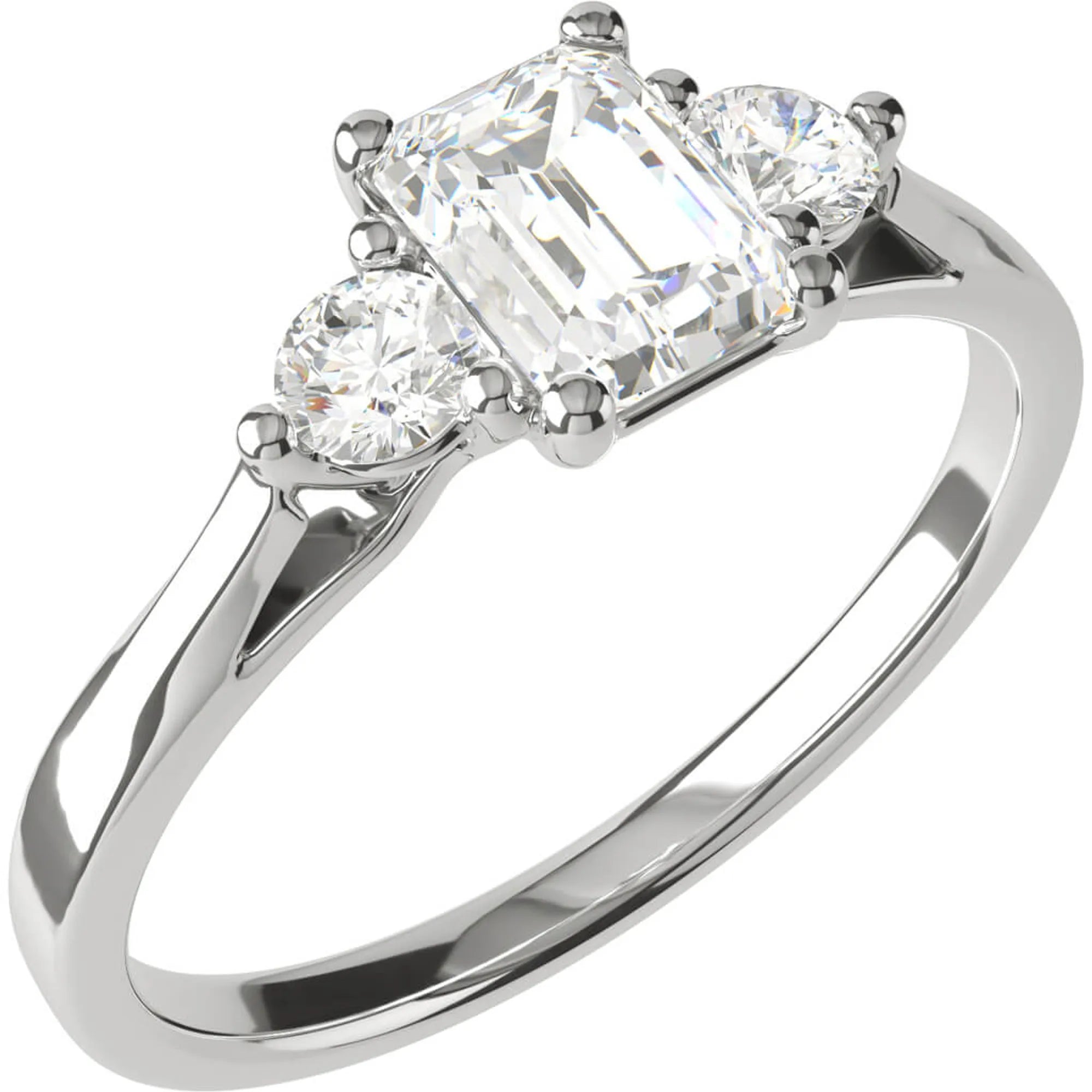
EternaTrestensring Smaragdslipad i vitguld 18KFrom 27,300 SEK
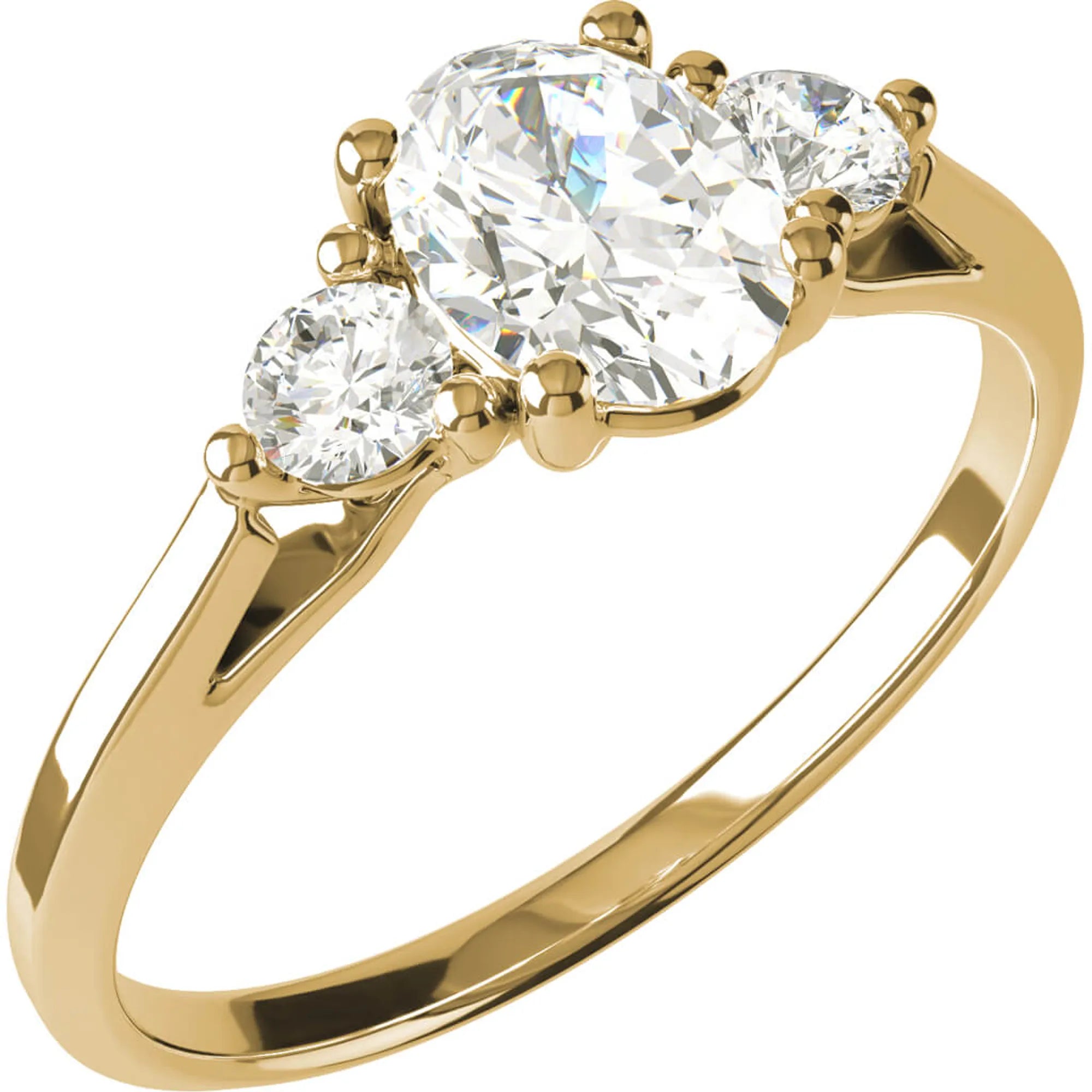
EternaTrestensring Ovalslipad i gulguld 18KFrom 26,500 SEK
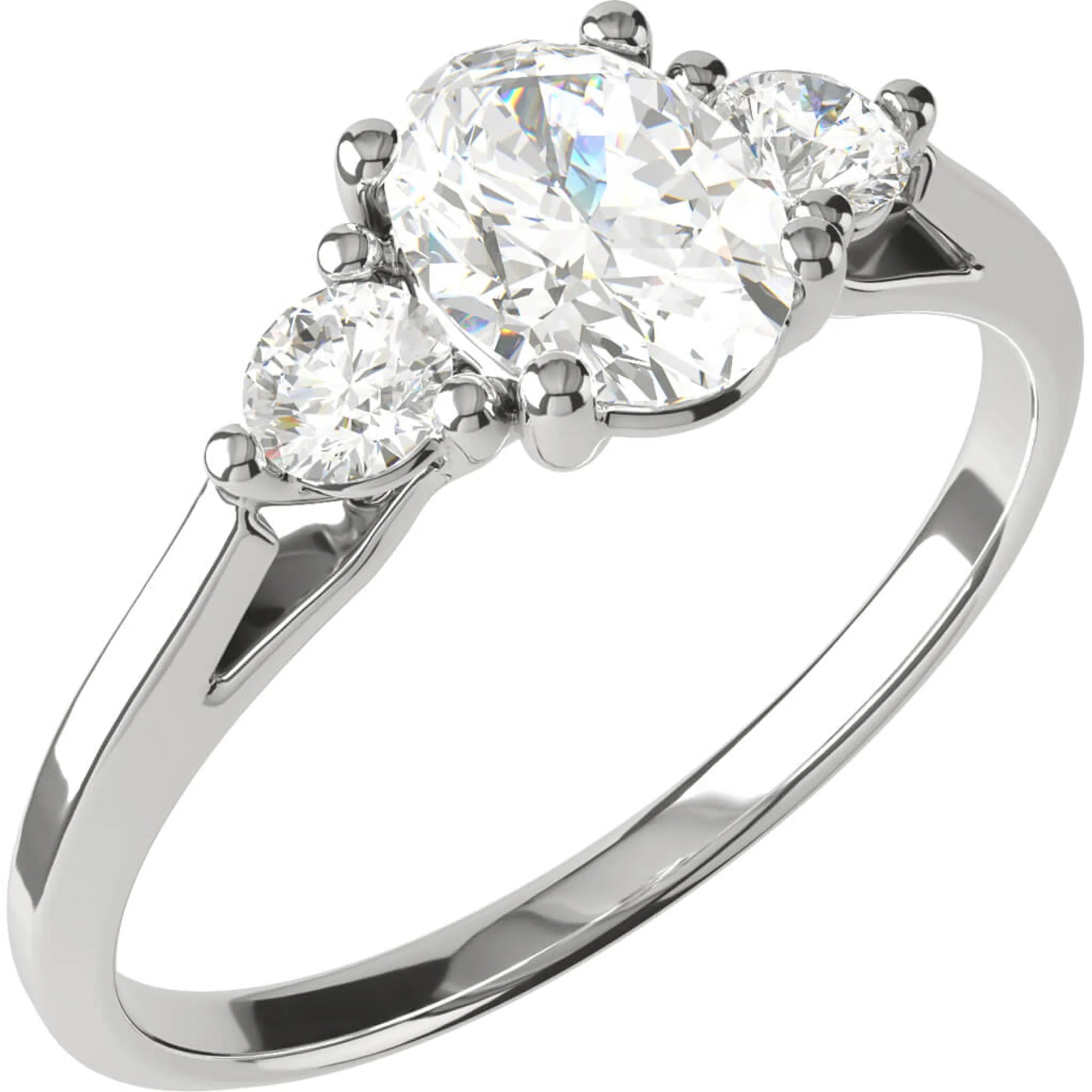
EternaTrestensring Ovalslipad i platinaFrom 27,400 SEK
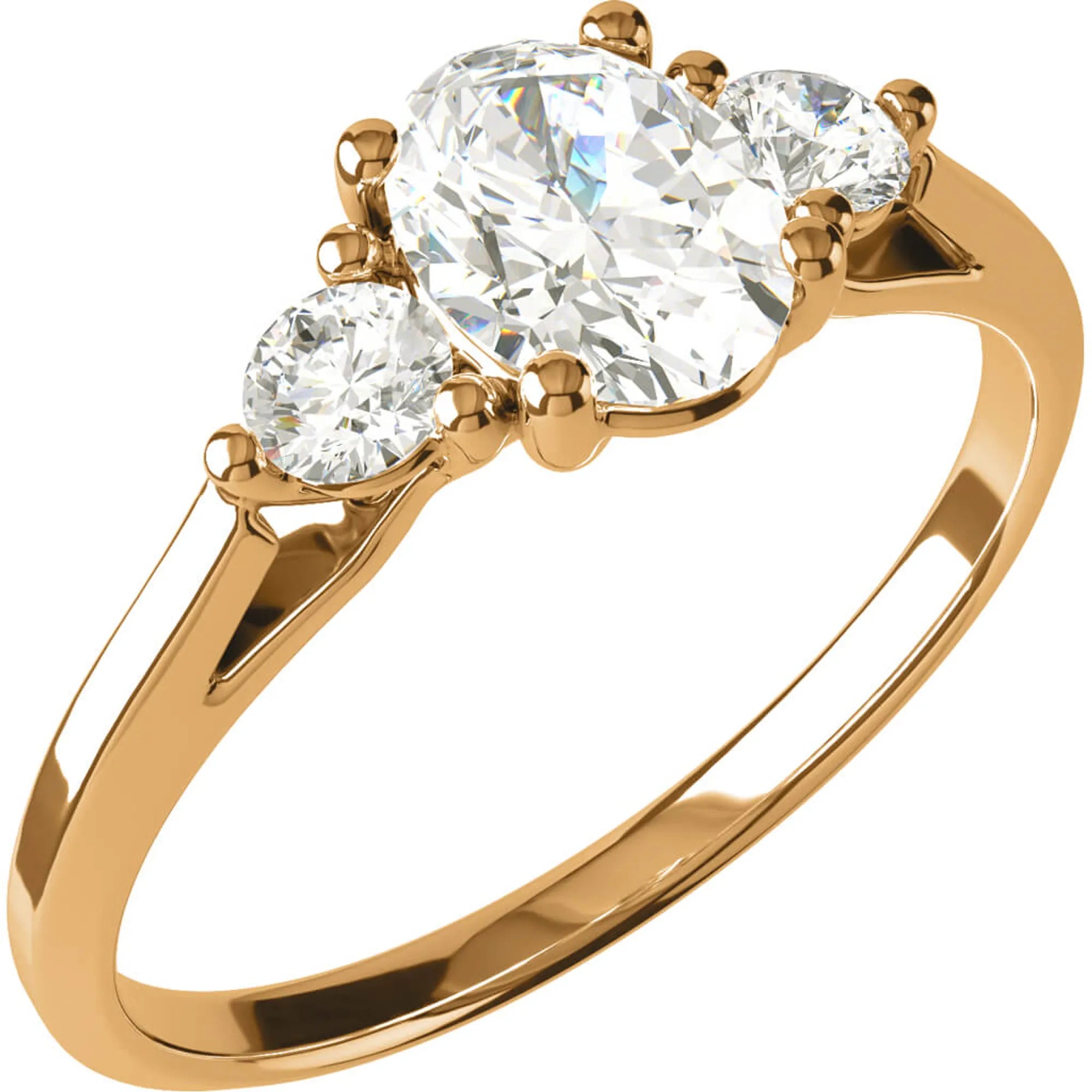
EternaTrestensring Ovalslipad i rödguld 14KFrom 24,300 SEK
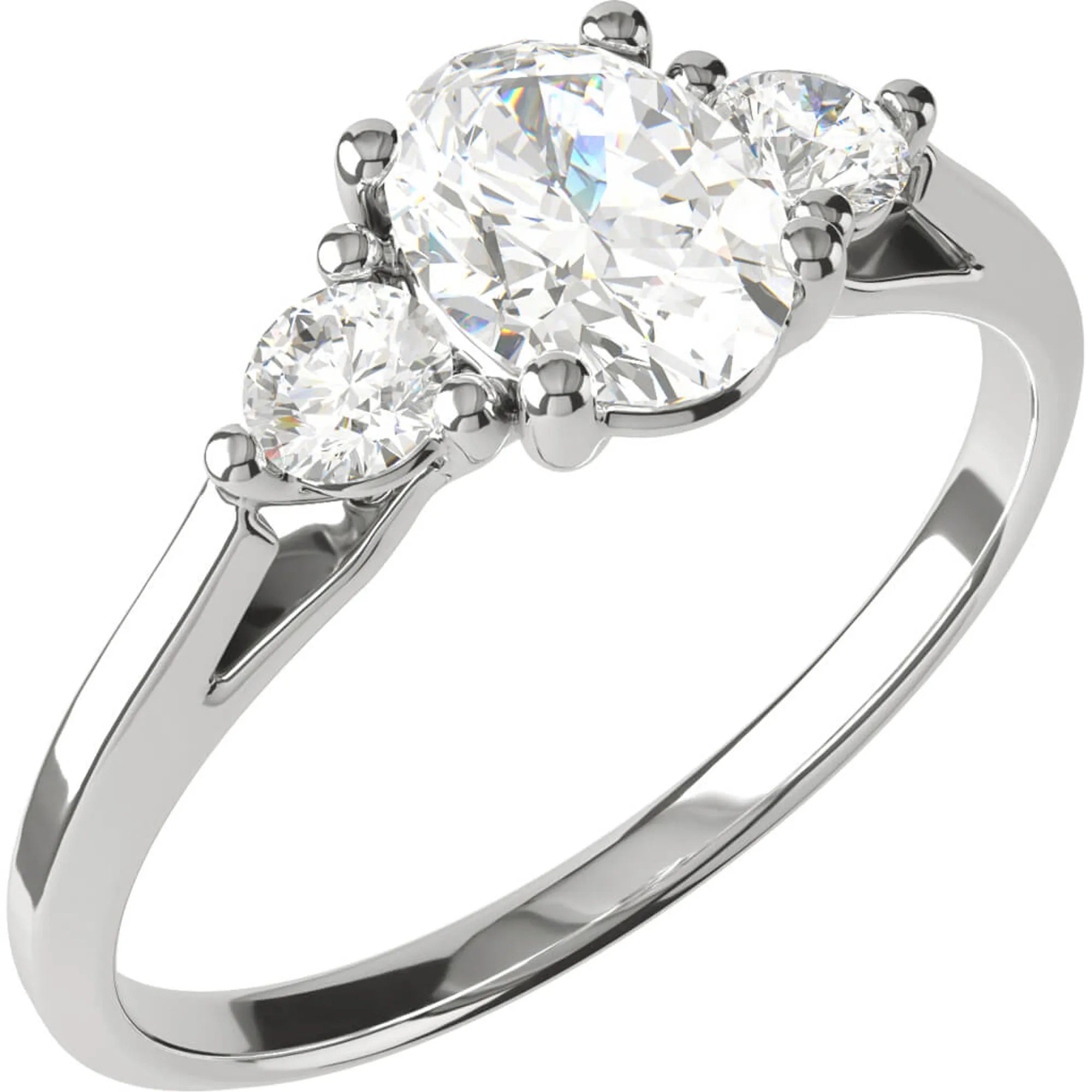
EternaTrestensring Ovalslipad i vitguld 14KFrom 25,300 SEK
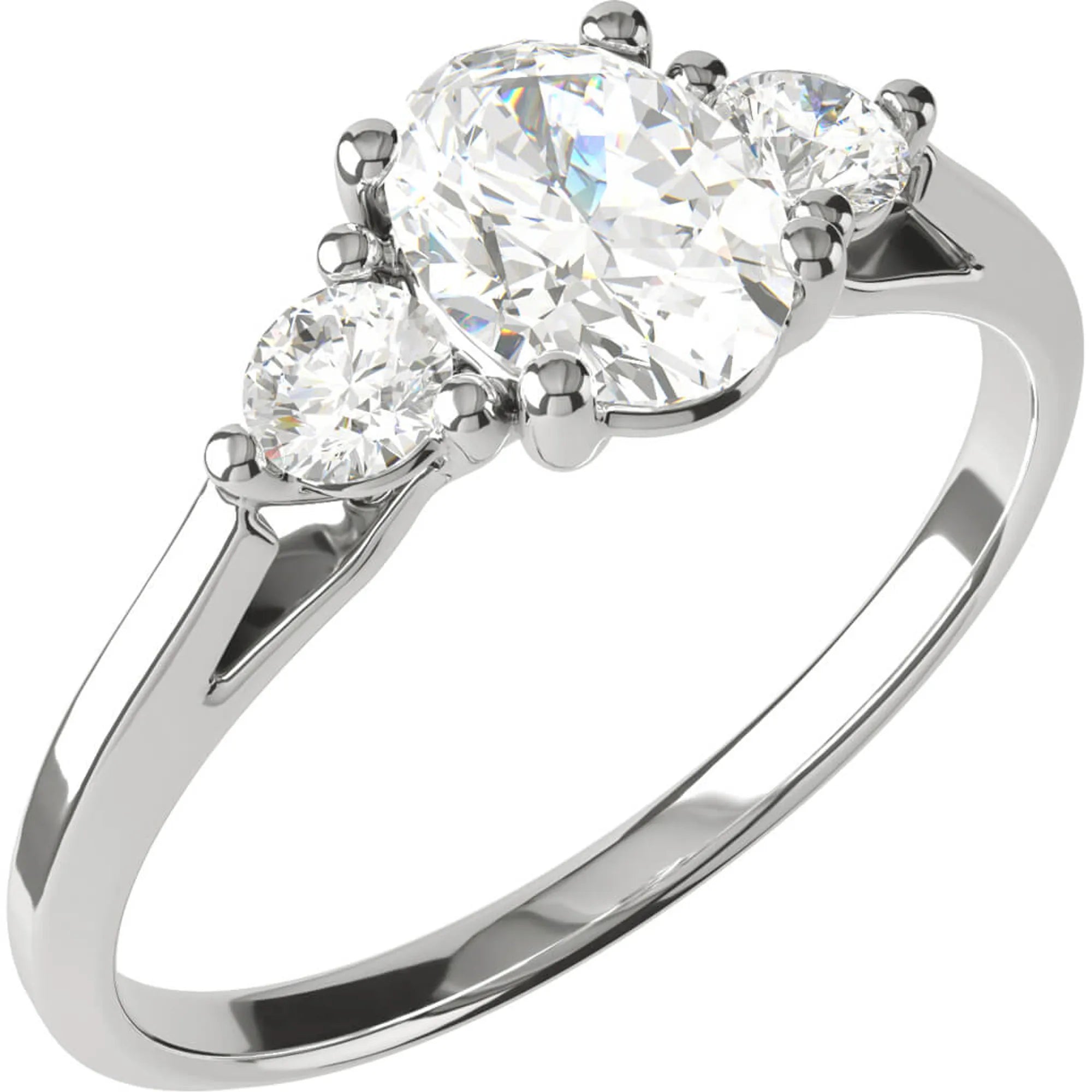
EternaTrestensring Ovalslipad i vitguld 18KFrom 27,700 SEK

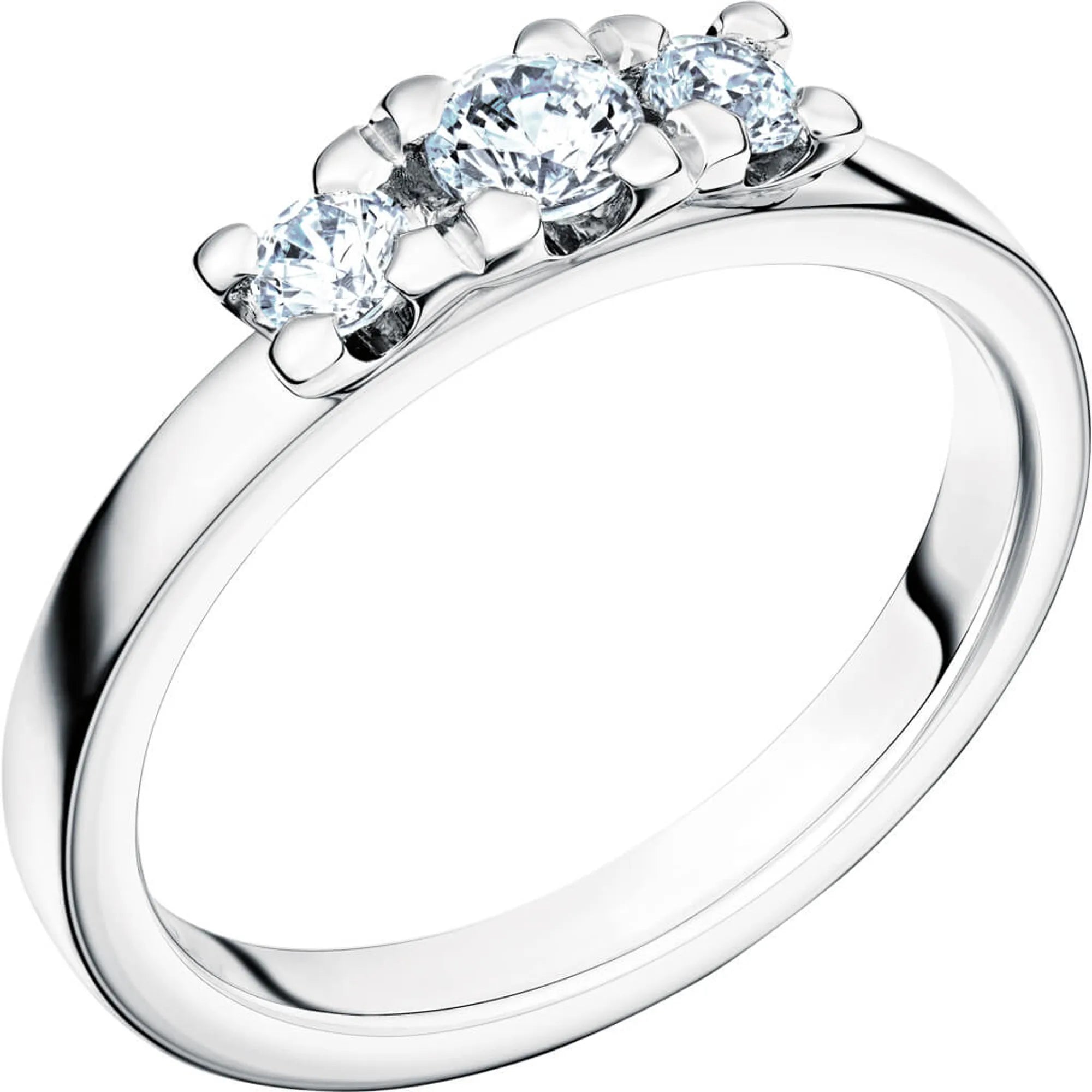
GlitterThree-stone ring in platinum28,800 SEK
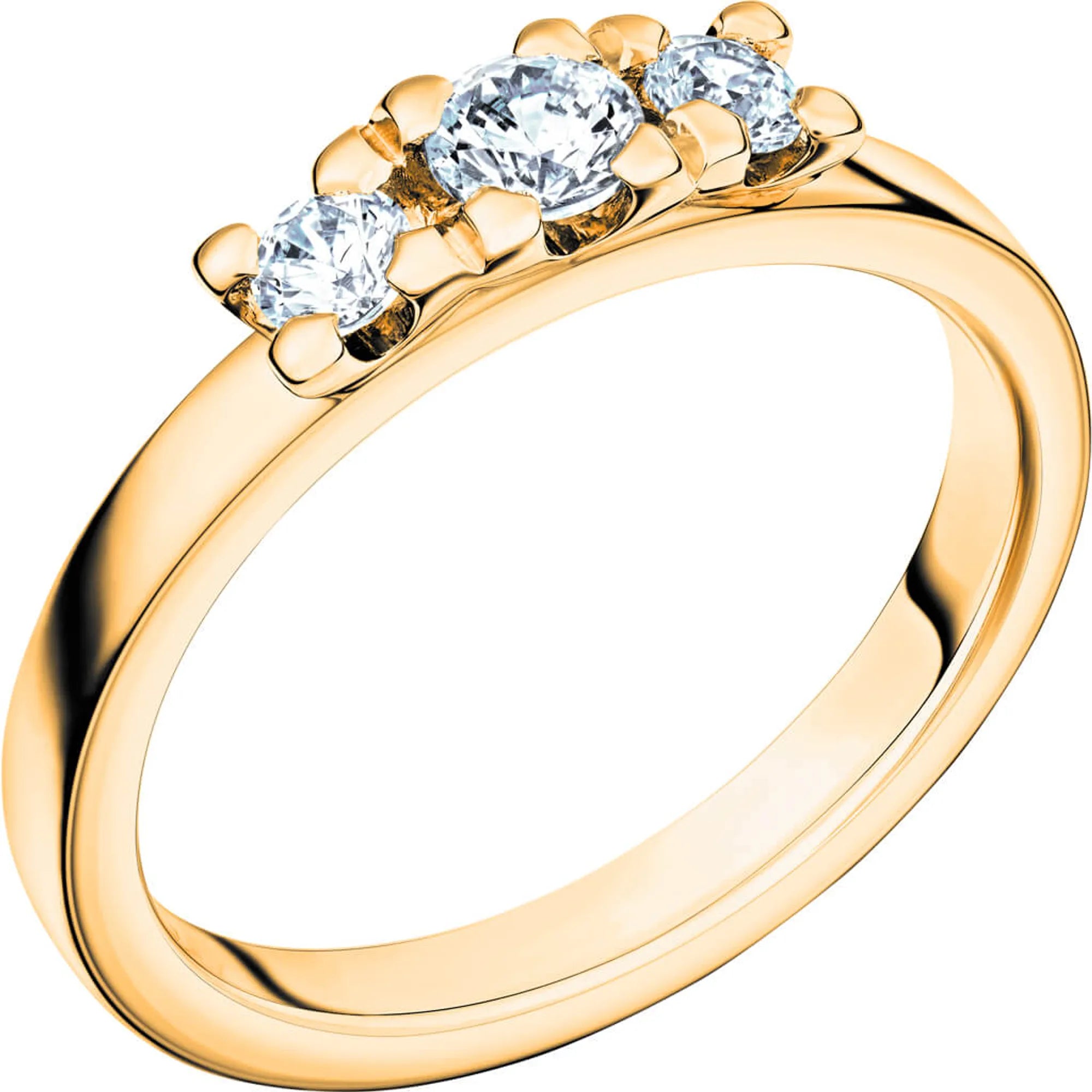
GlitterThree-stone ring in 14K red gold24,900 SEK
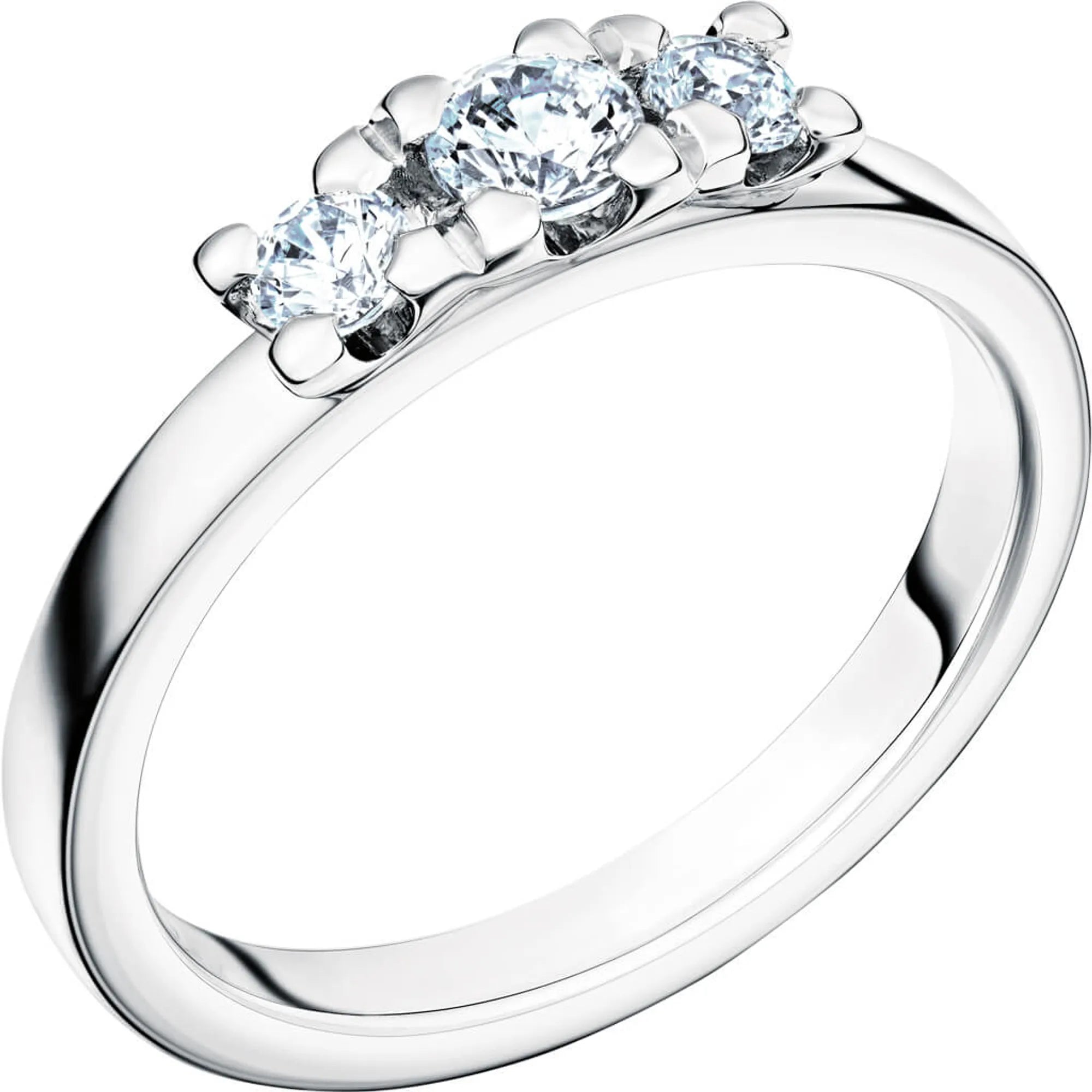
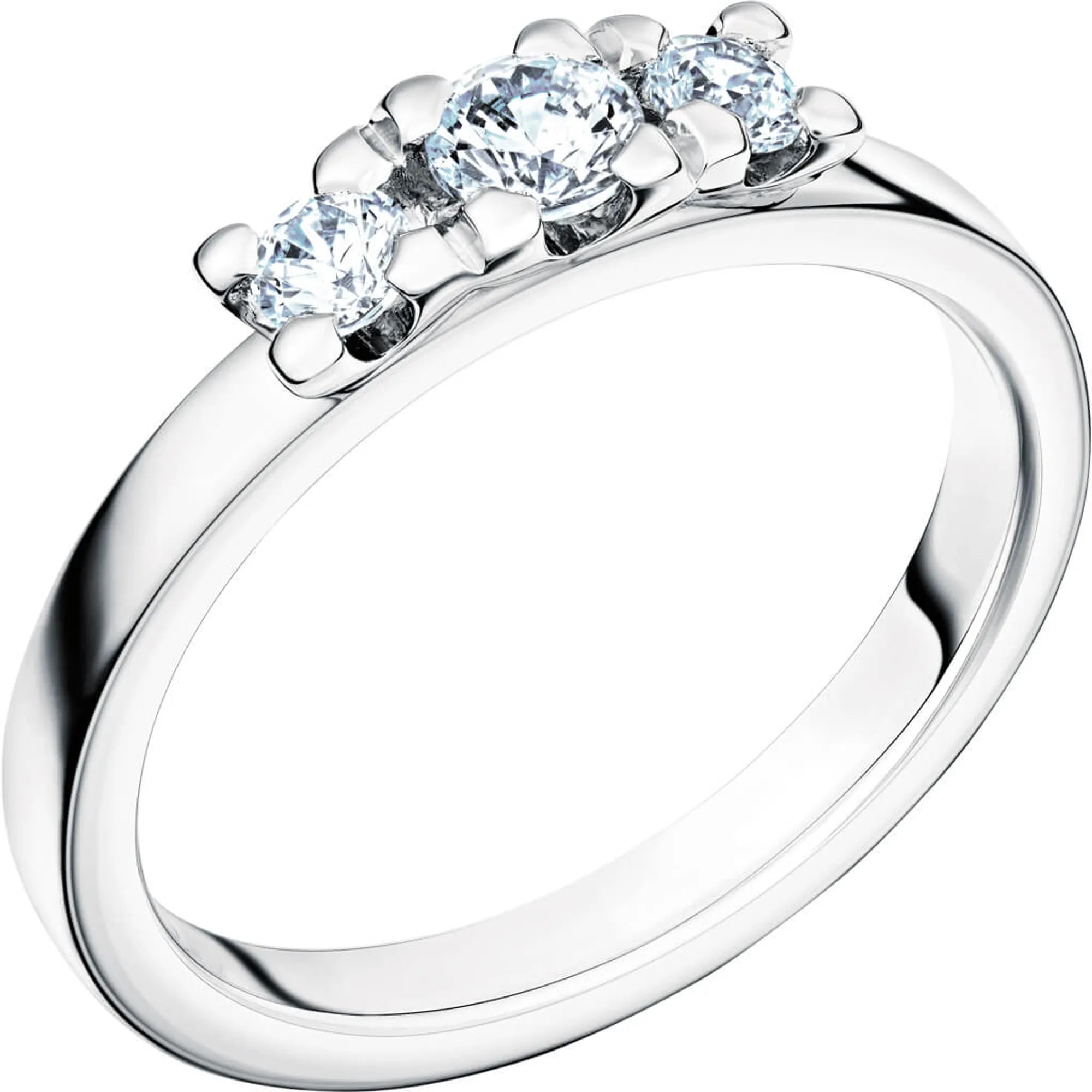
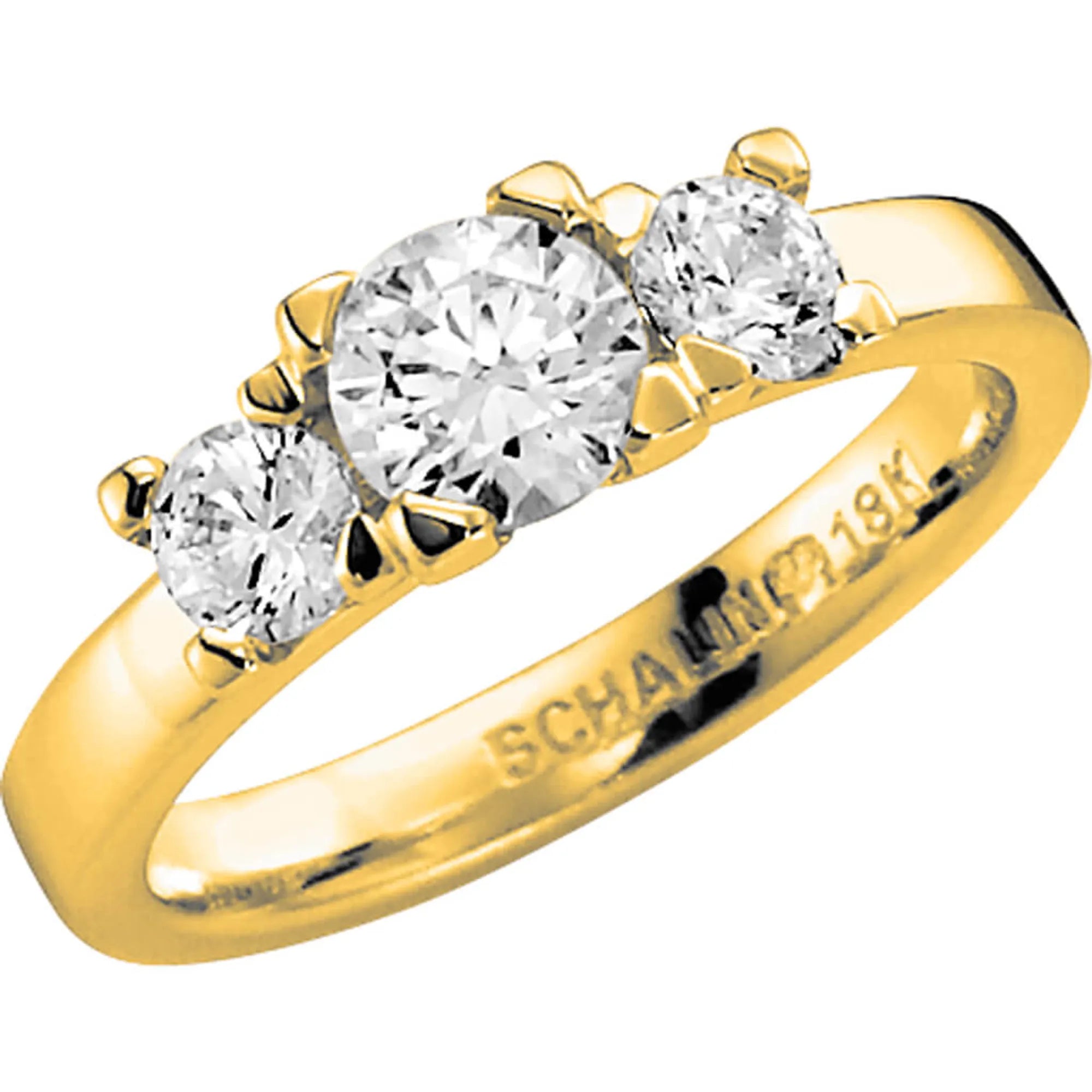
WishThree-stone ring in yellow gold 18K75,200 SEK
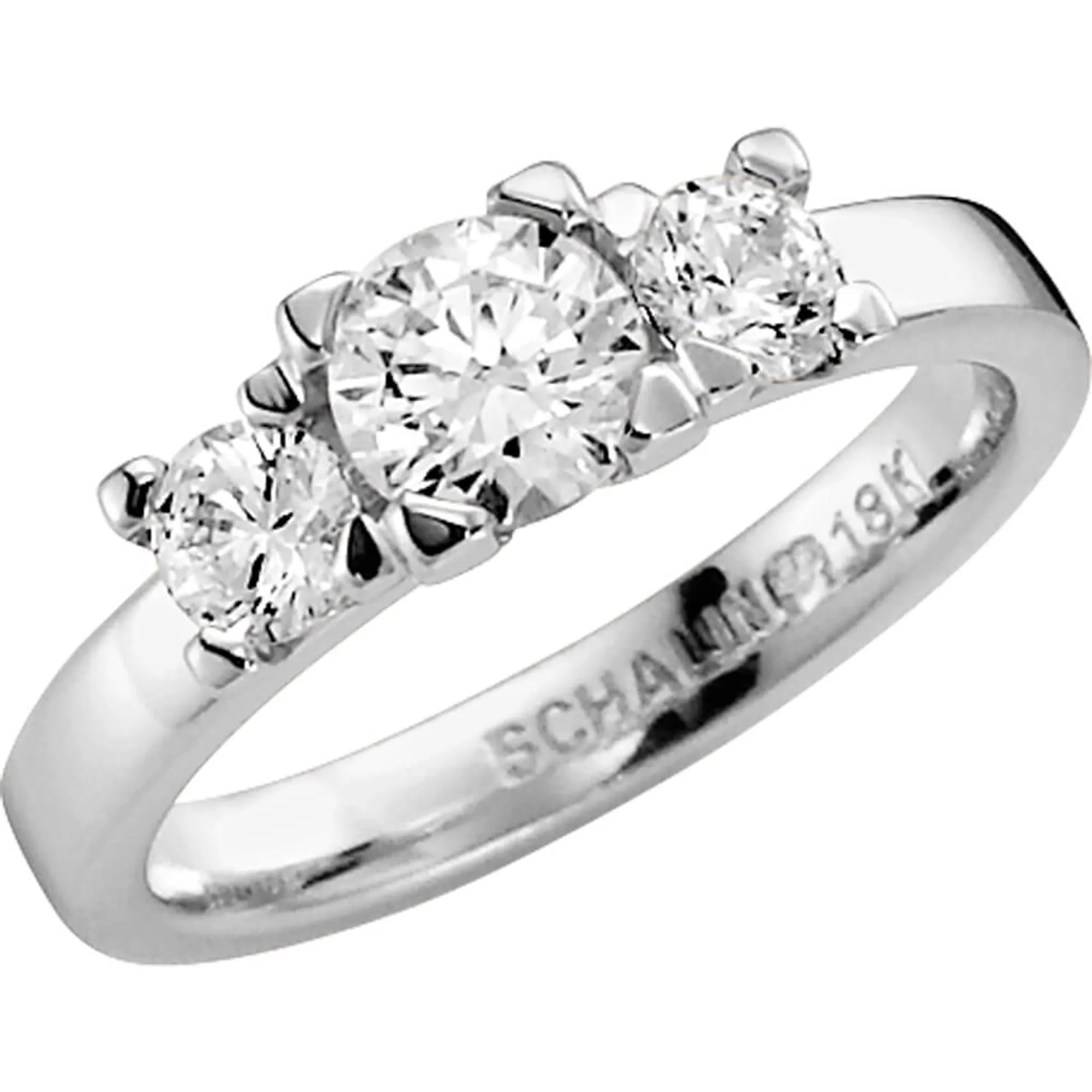
WishThree-stone ring in platinum74,300 SEK
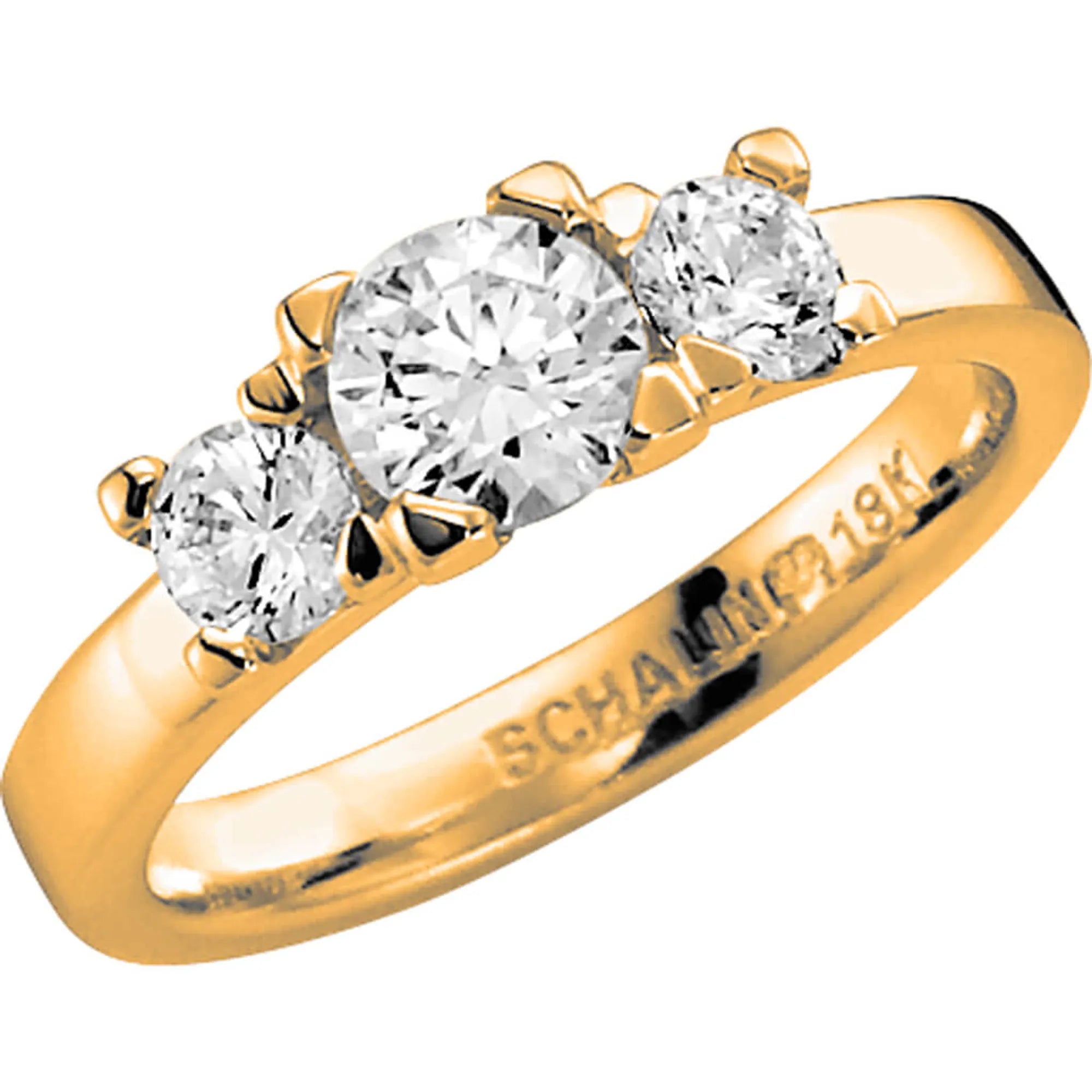
WishThree-stone ring in red gold 14K70,100 SEK
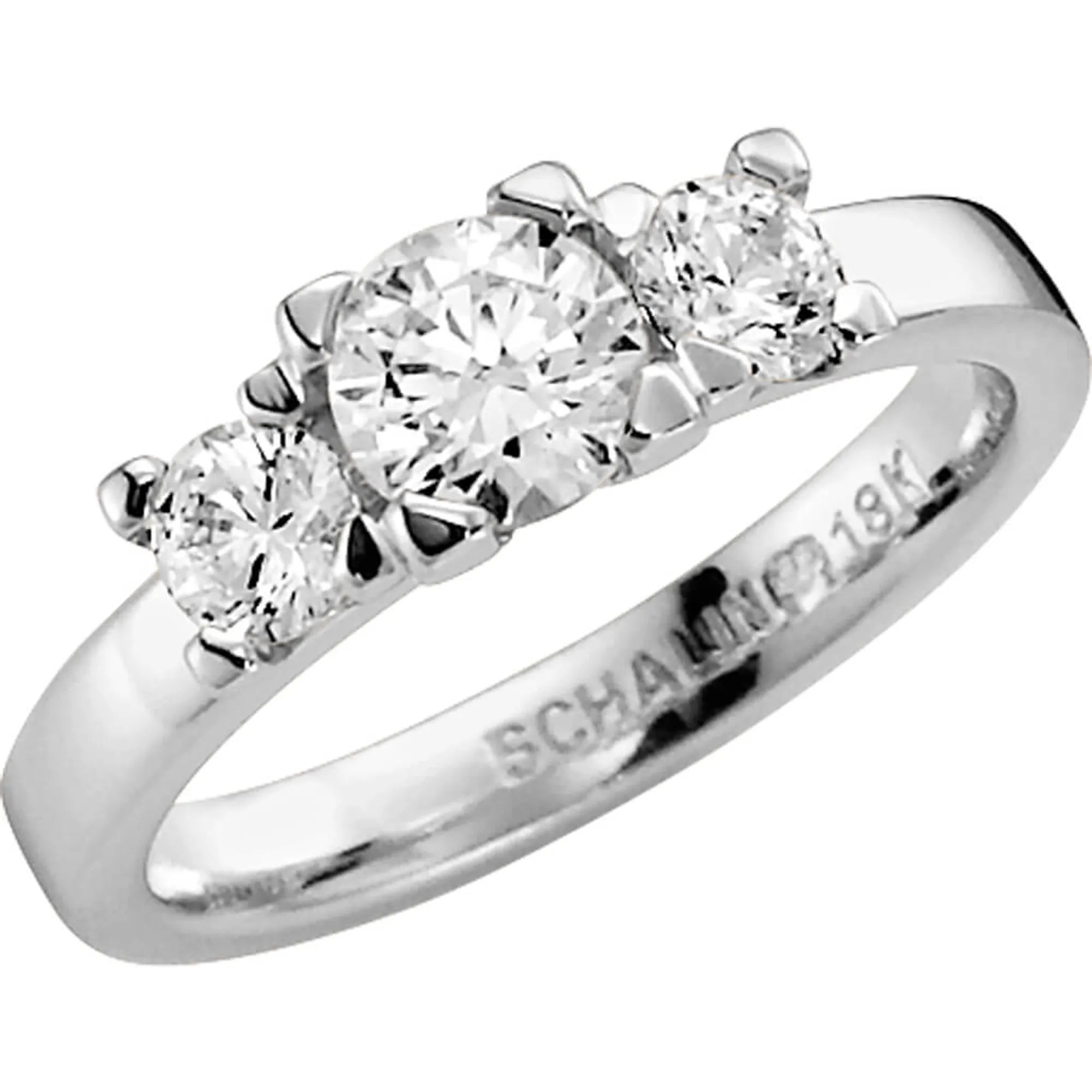
WishThree-stone ring in 14K white gold72,000 SEK
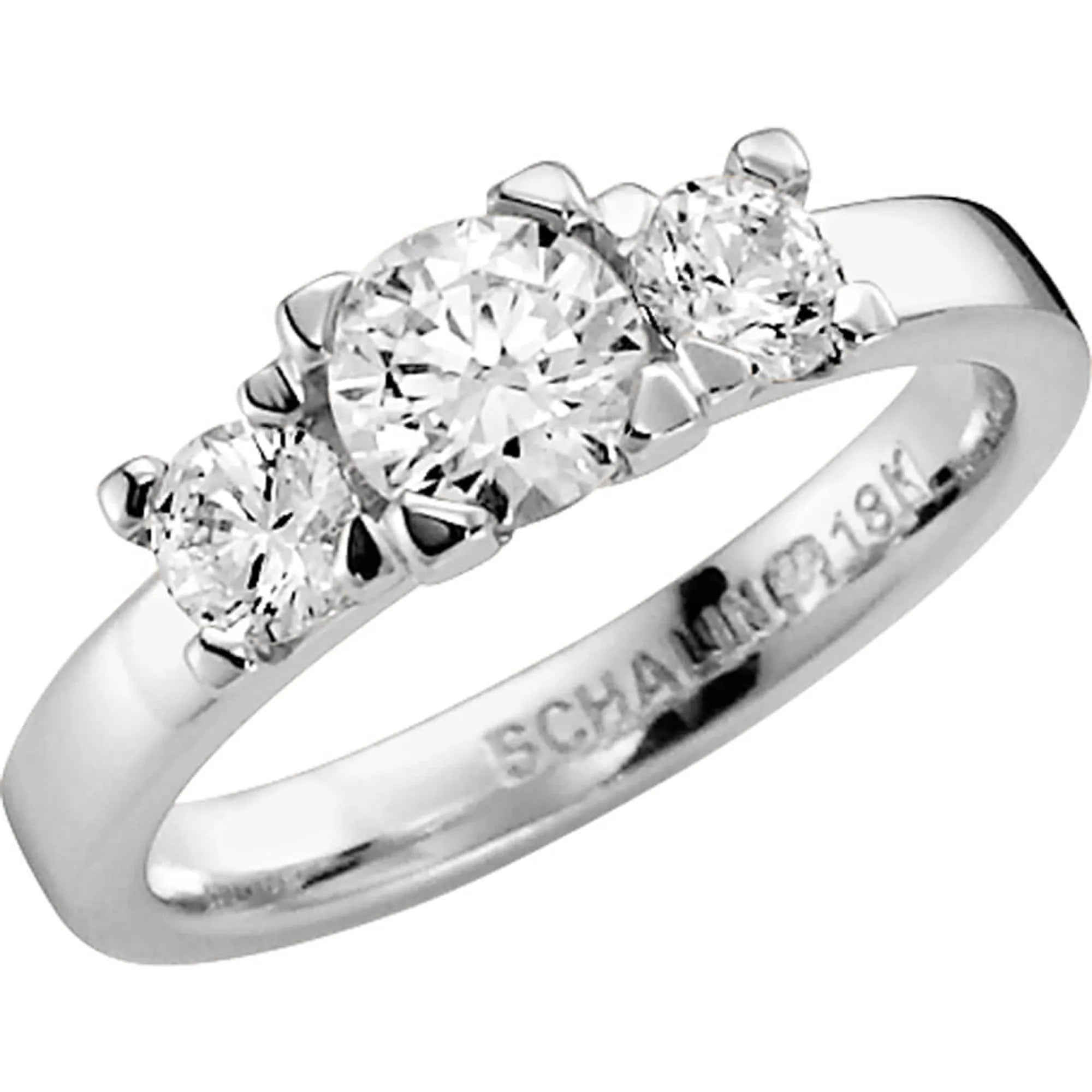
WishThree-stone ring in 18K white gold77,700 SEK
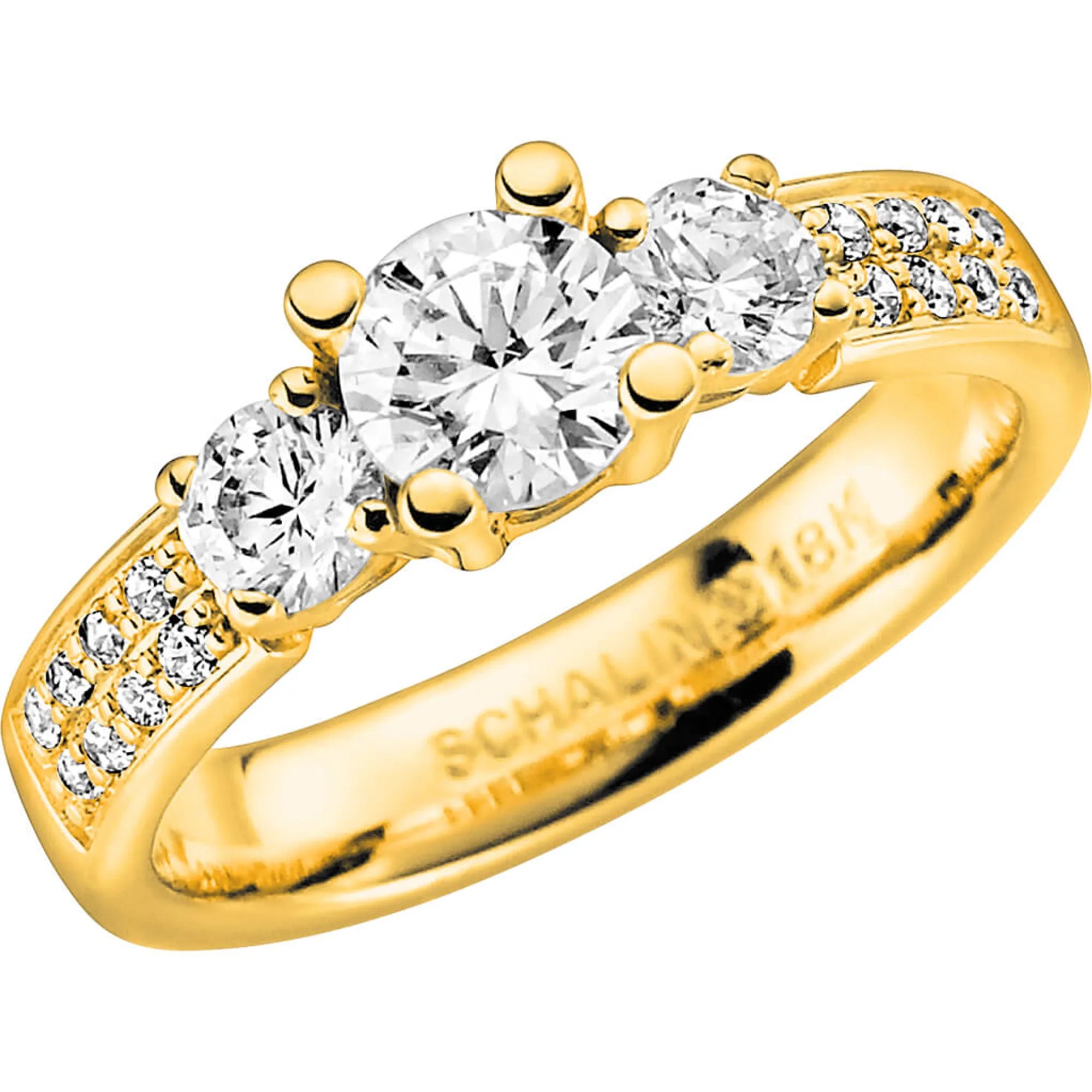
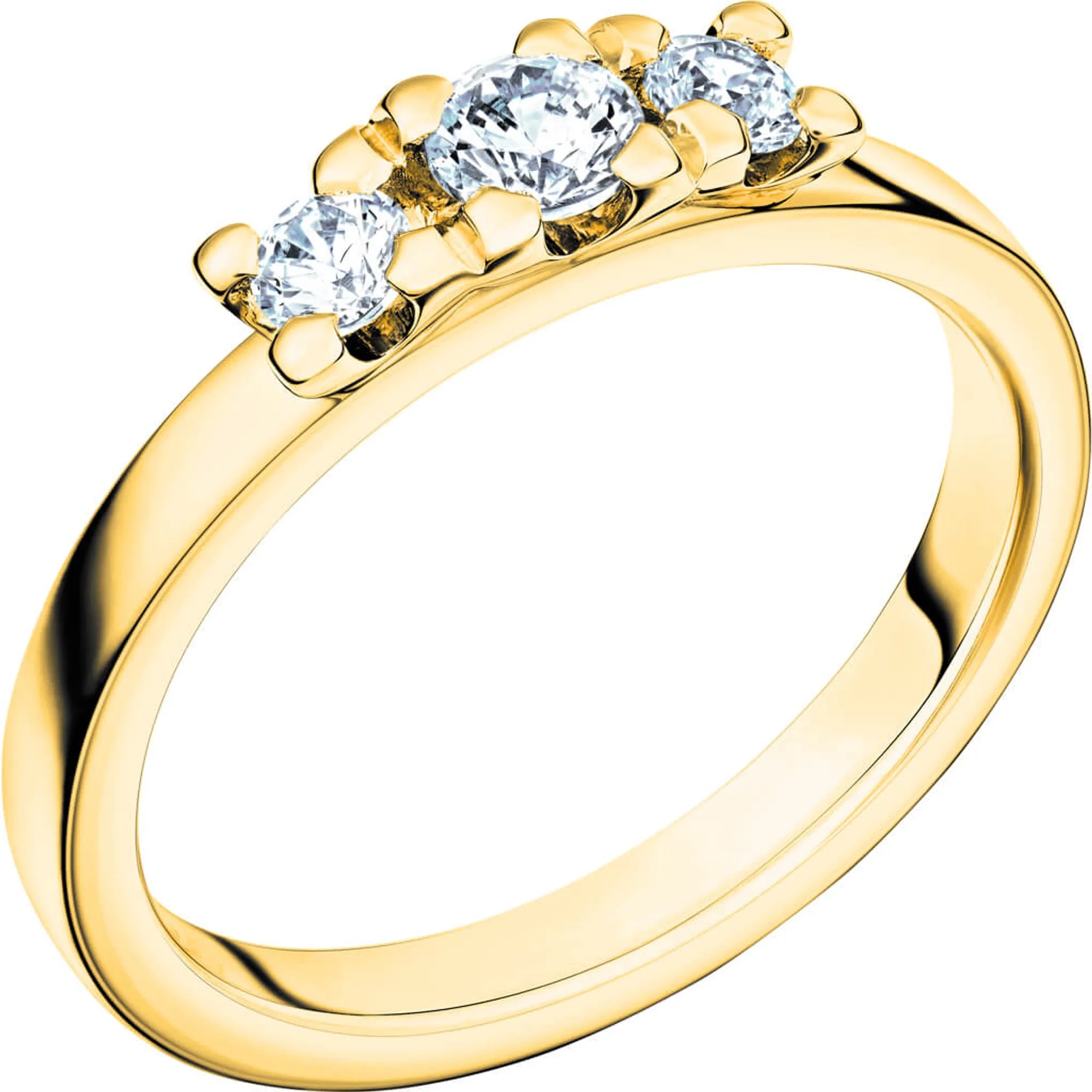
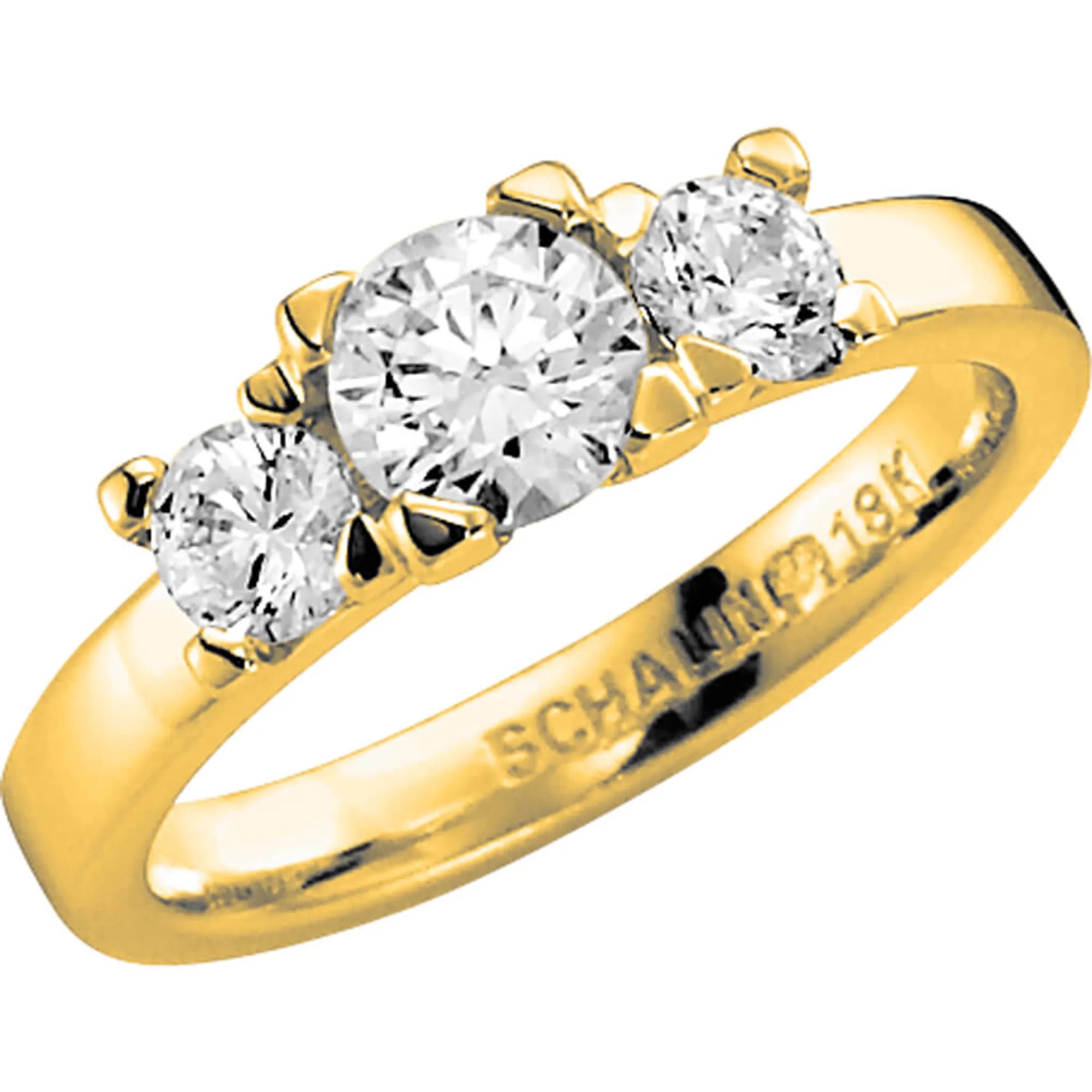
WishThree-stone ring in yellow gold 14K70,100 SEK
´
FAQ
Trestensringar