Texture as part of the design
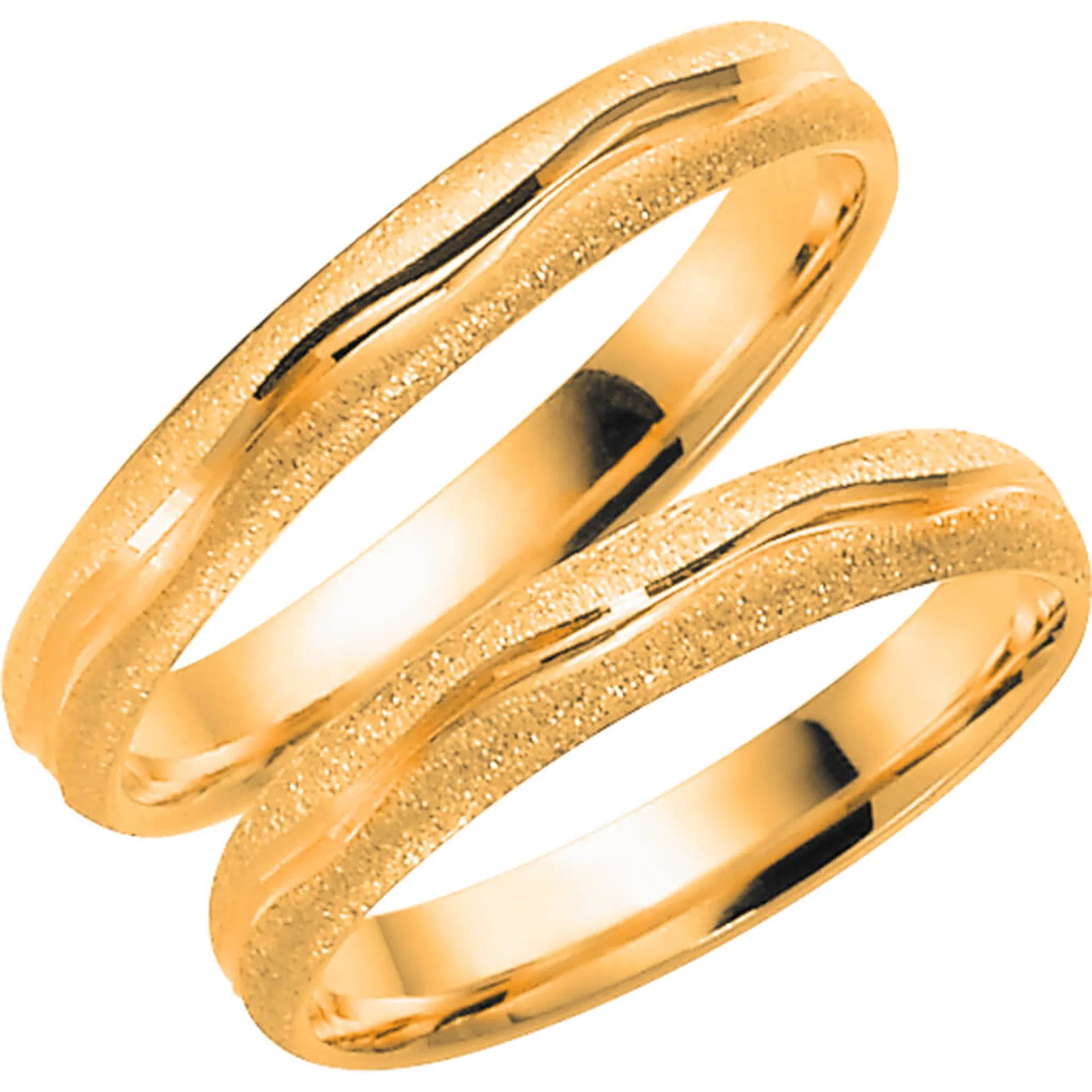
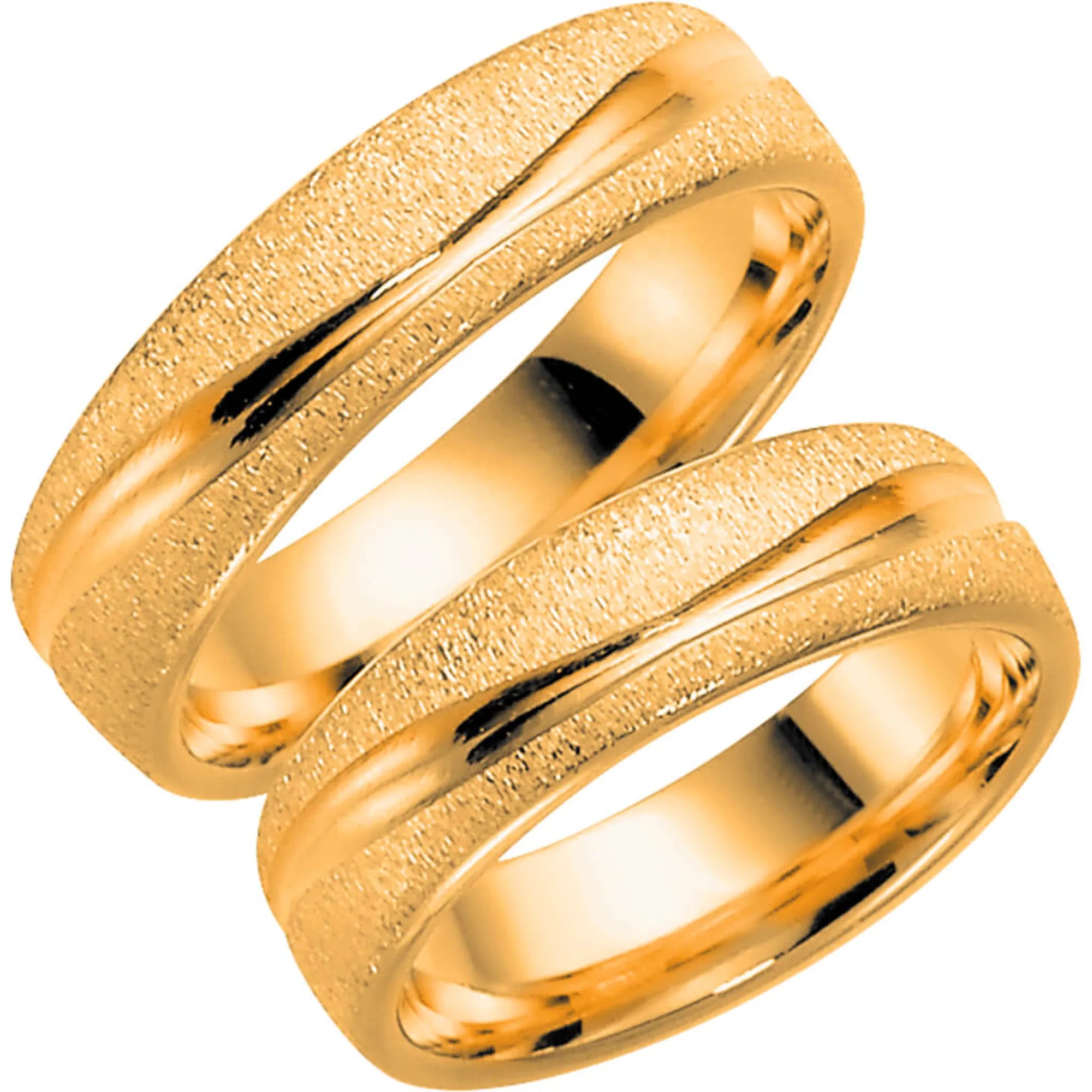
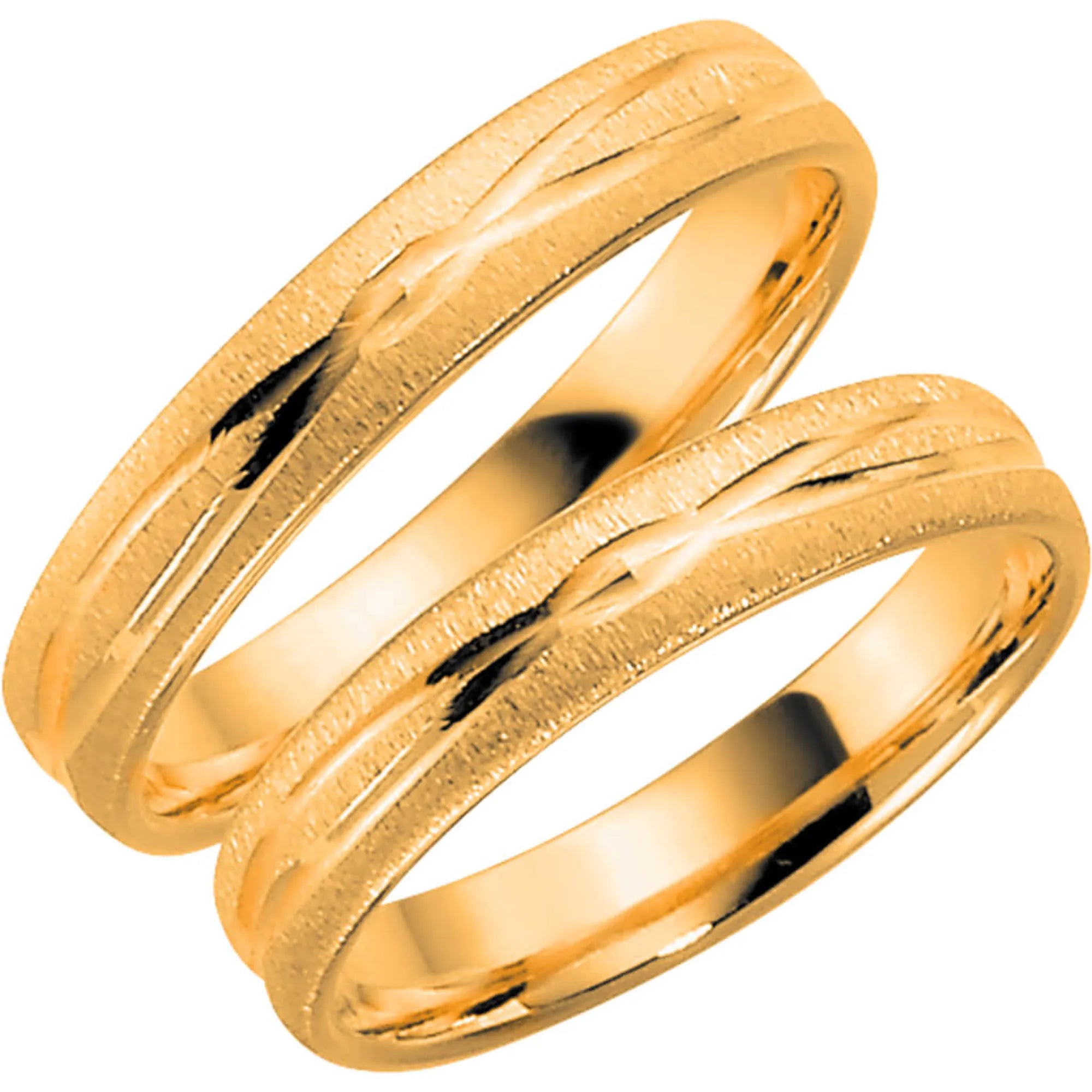
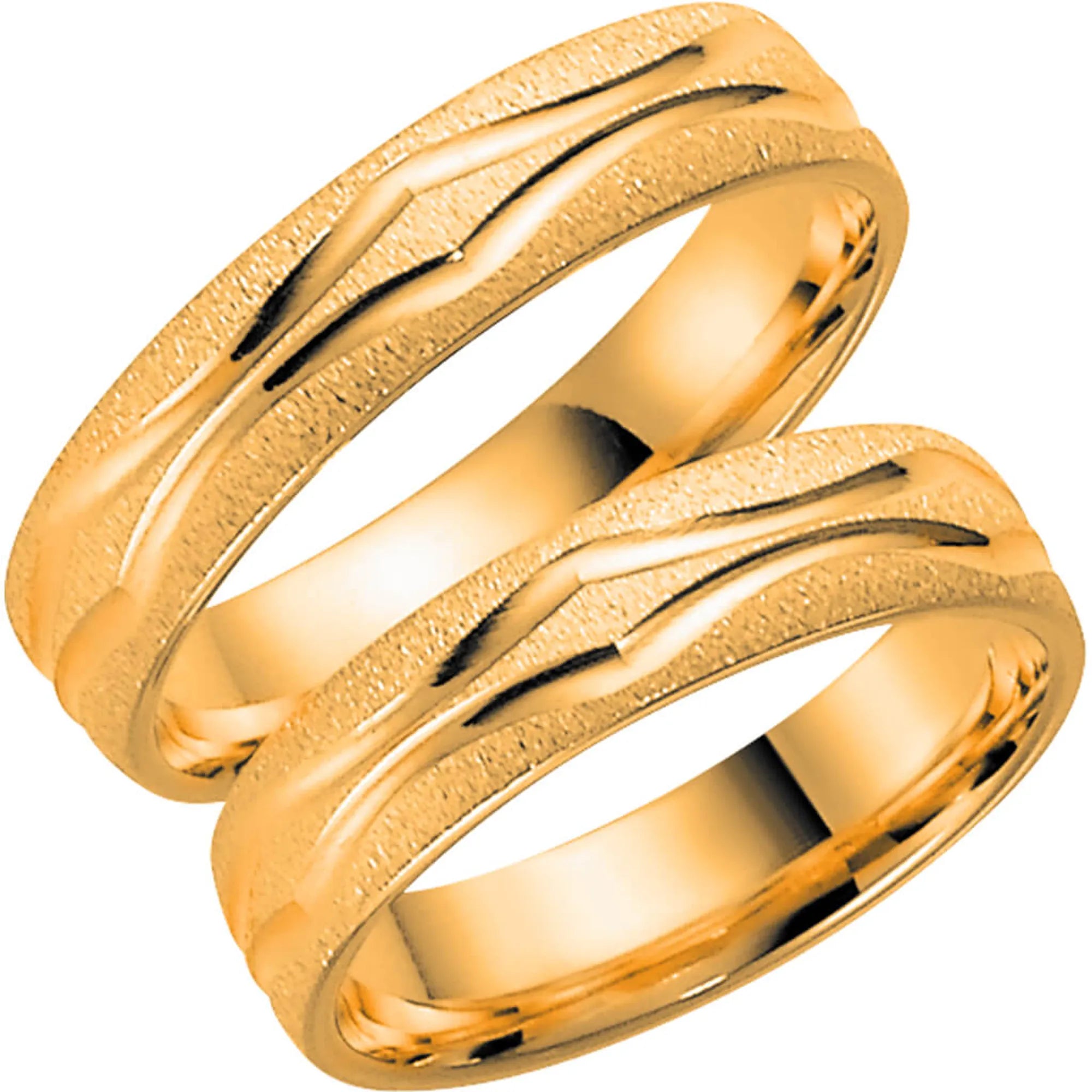
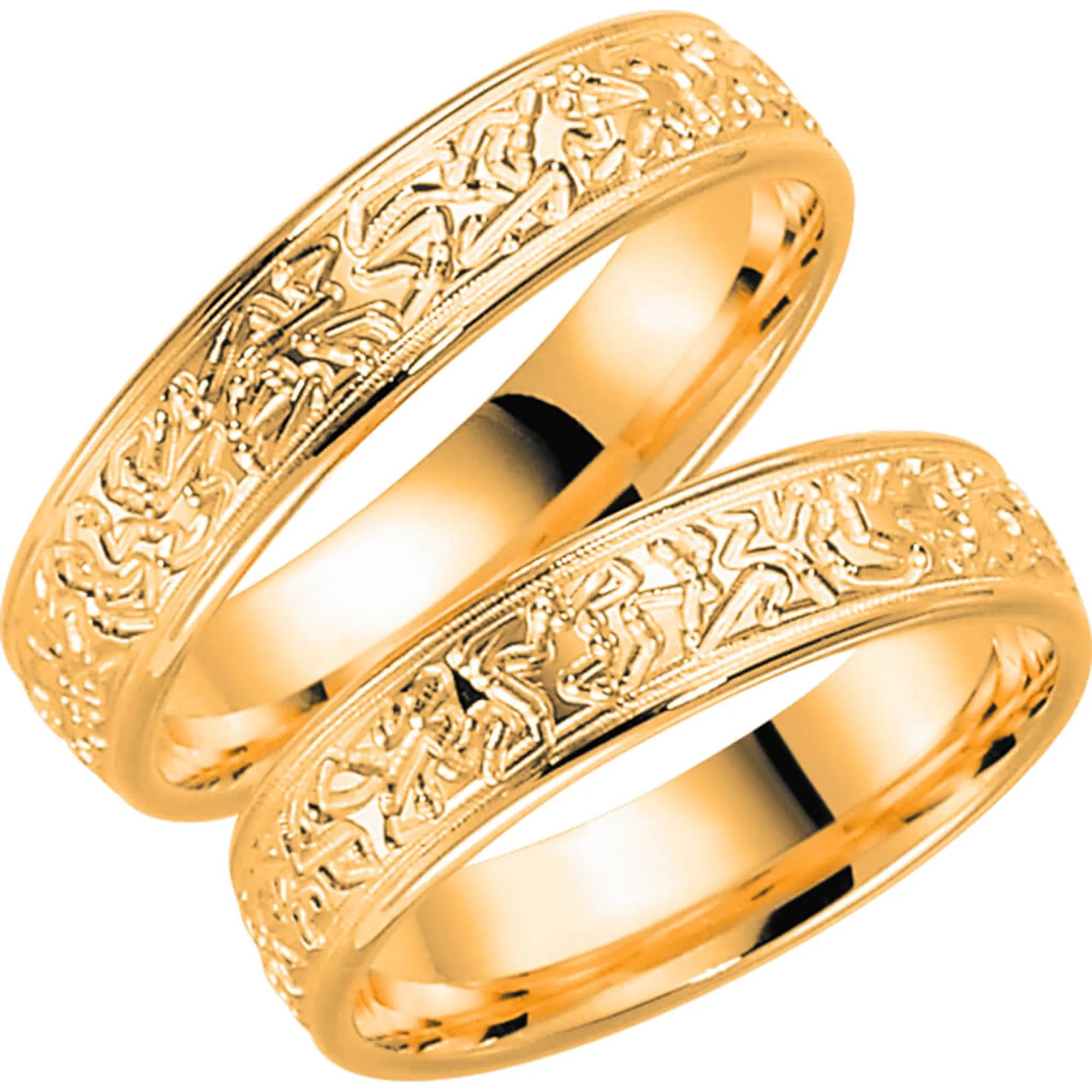
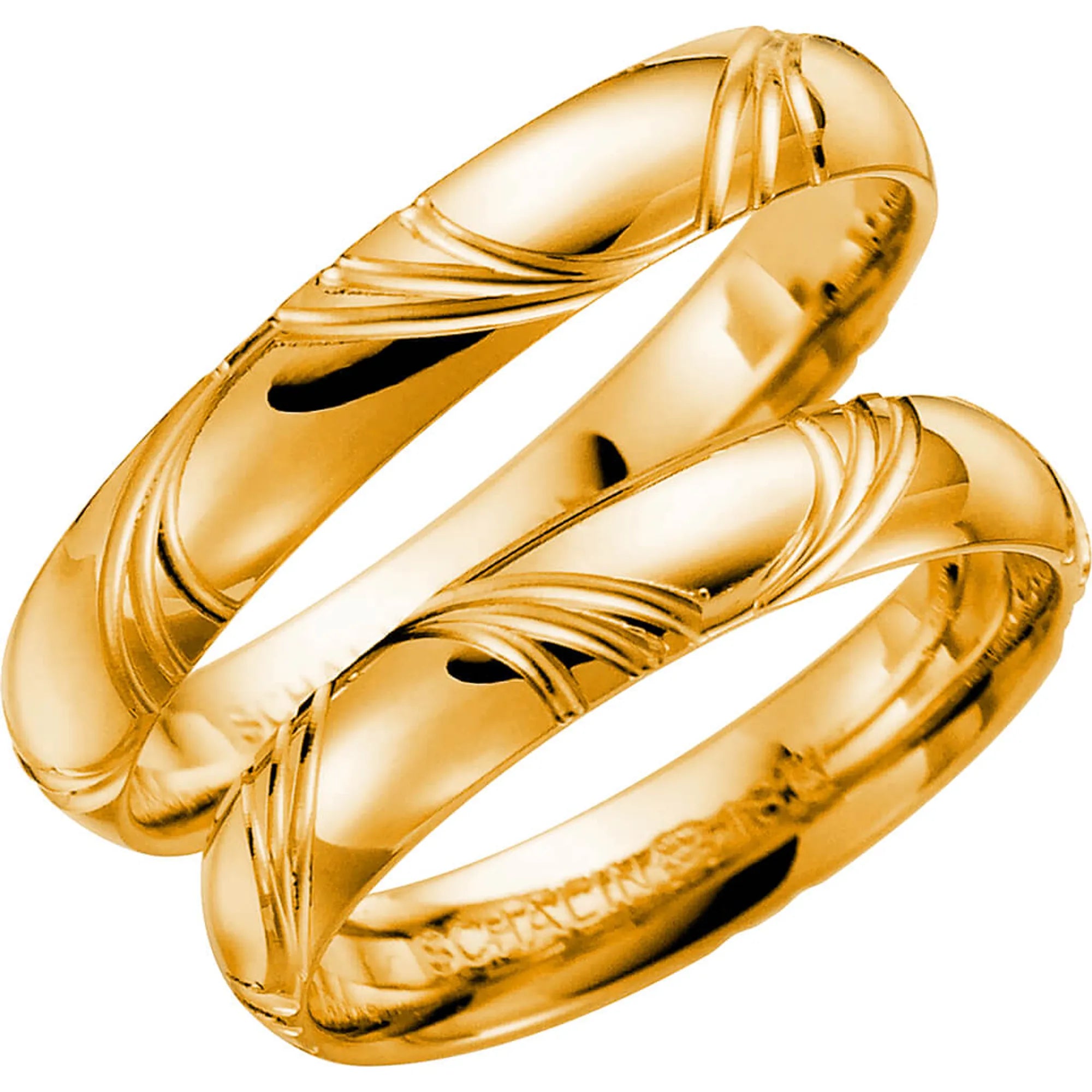
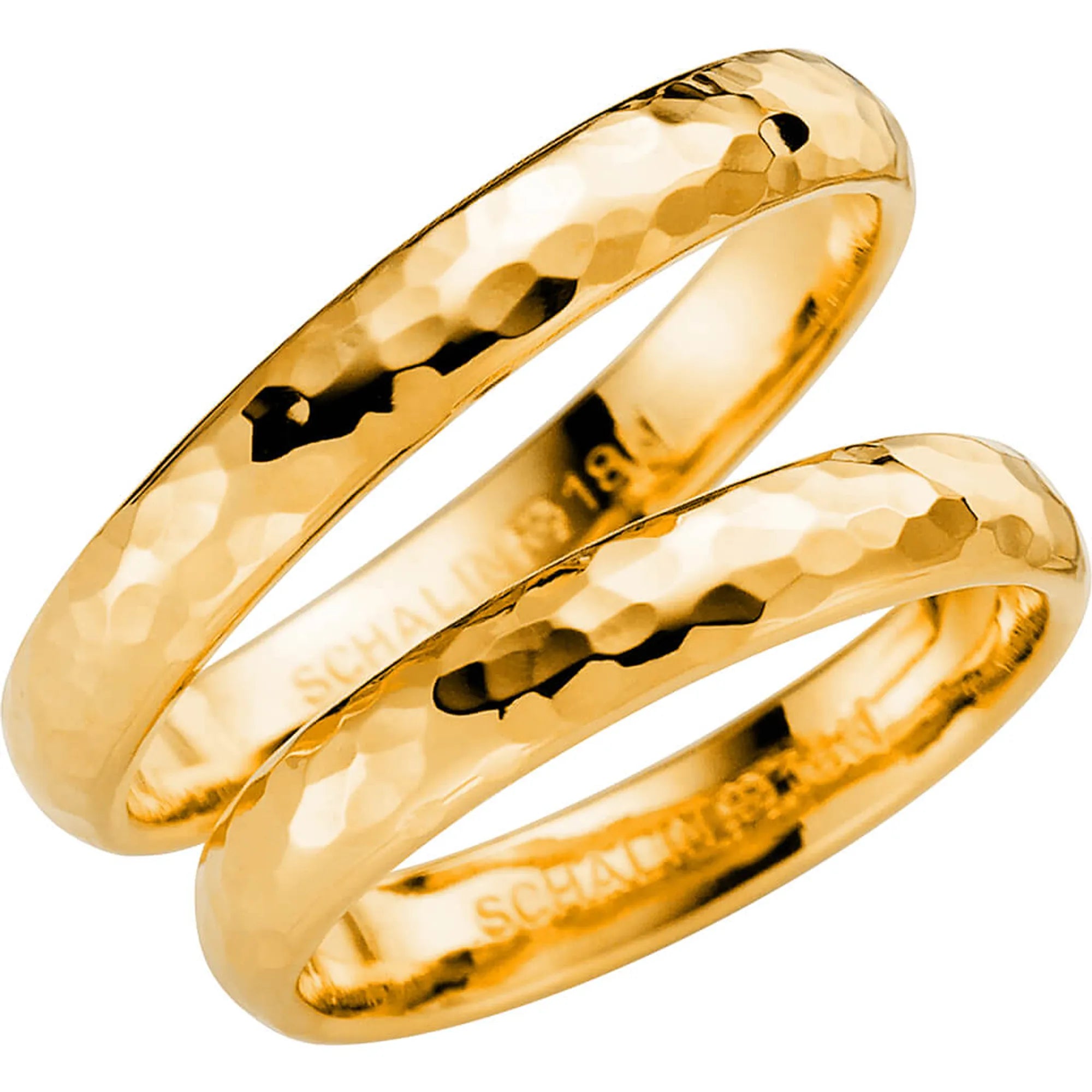
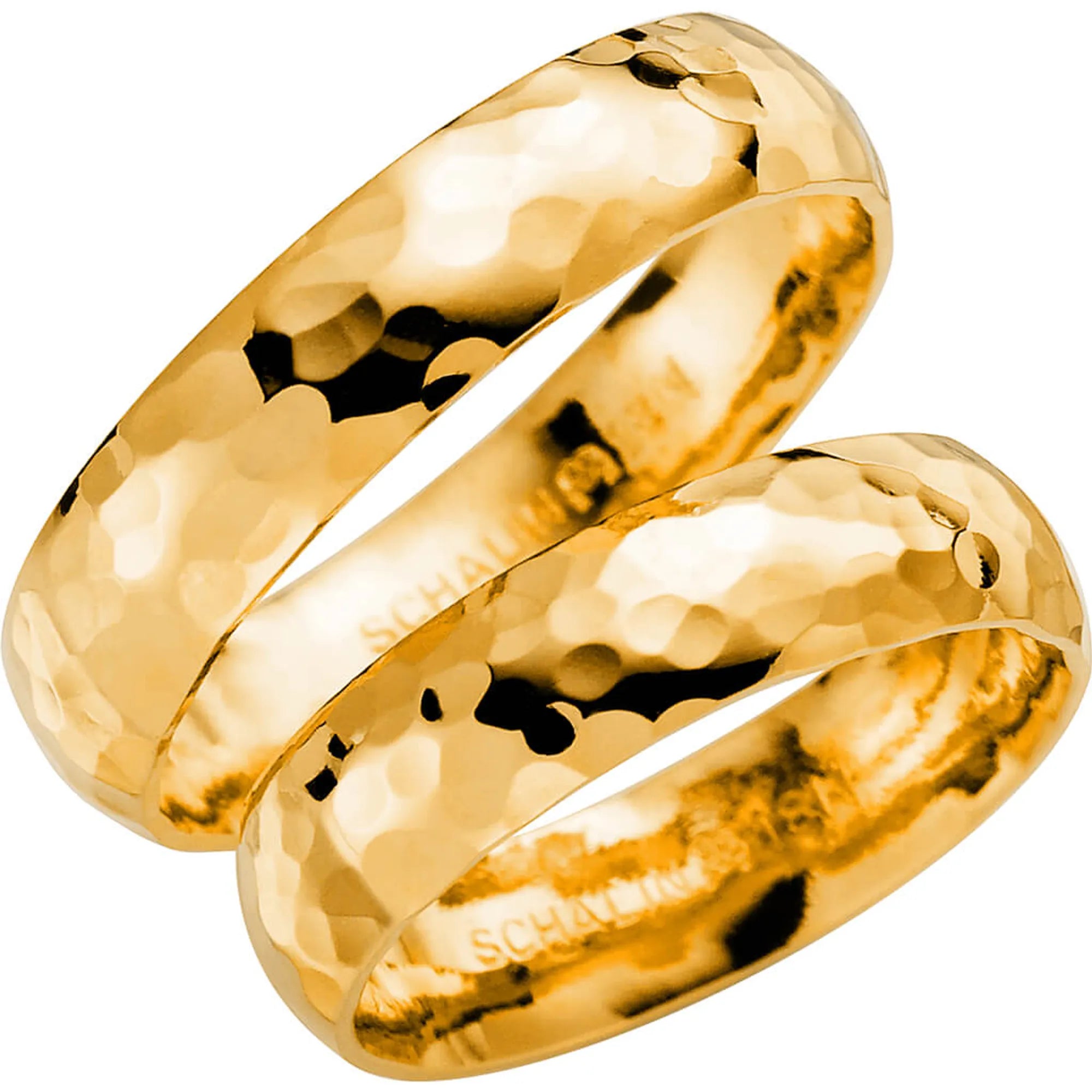
When a ring is patterned, both the feel and the play of light in the metal change. Small variations in the surface can create entirely different expressions.
Common types of patterns include:
- lines or grooves in the metal
- hammered or brushed surfaces
- graphic traces or textures
- combinations of polished and matte surfaces
The pattern gives the ring a clearer identity without making the shape more complex.
Material
Patterned rings are most often made from classic precious metals where the texture stands out clearly.
Common materials include:
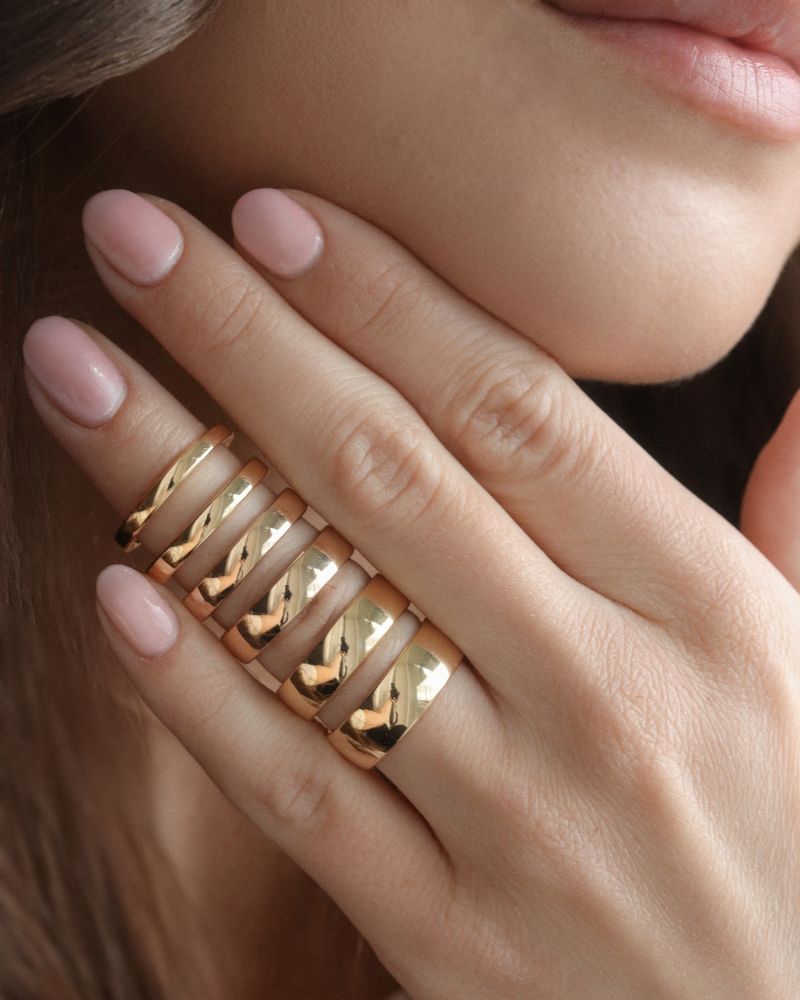
- yellow gold – warm tone that highlights the texture
- white gold – light metal where the pattern becomes more discreet
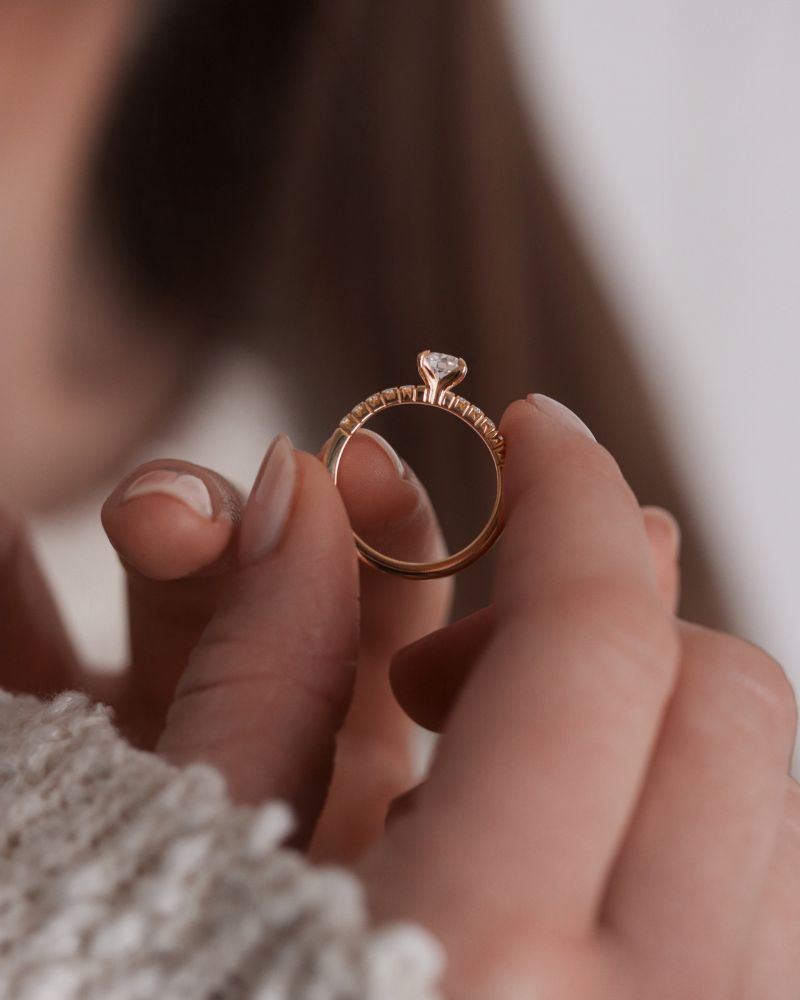
- rose gold – soft color with a distinct character
- platinum – durable metal with a naturally light tone
The metal influences how the pattern is perceived and how the surface changes as the ring is worn over time.
An alternative to the plain ring
For those who want to retain the classic shape of the ring but at the same time achieve a more personal expression, a patterned ring can be a natural choice. The texture provides variation without dominating the overall shape.
Many choose patterned rings precisely because they combine timeless form with a more individual expression.
Rings that endure over time
An engagement or wedding ring is often worn daily and becomes part of life together. Therefore, both material and shape are important.
When a ring is made of a precious metal and with a well-thought-out texture, it can continue to be worn for a long time and develop its character through use.


 Platinum
 White gold
 Yellow gold
 Red gold
 Rose gold
 Silver
 Titanium