Design and Balance
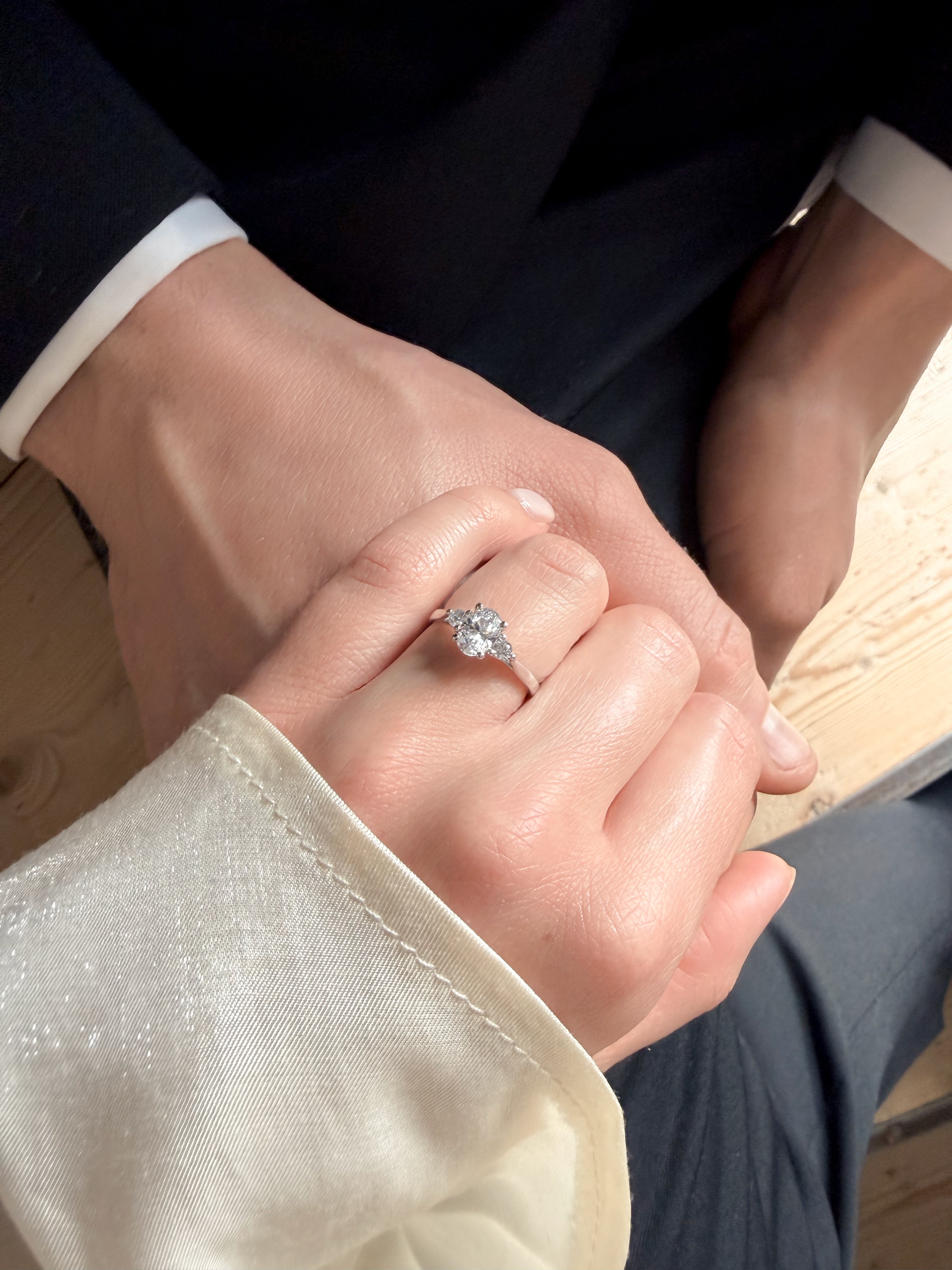
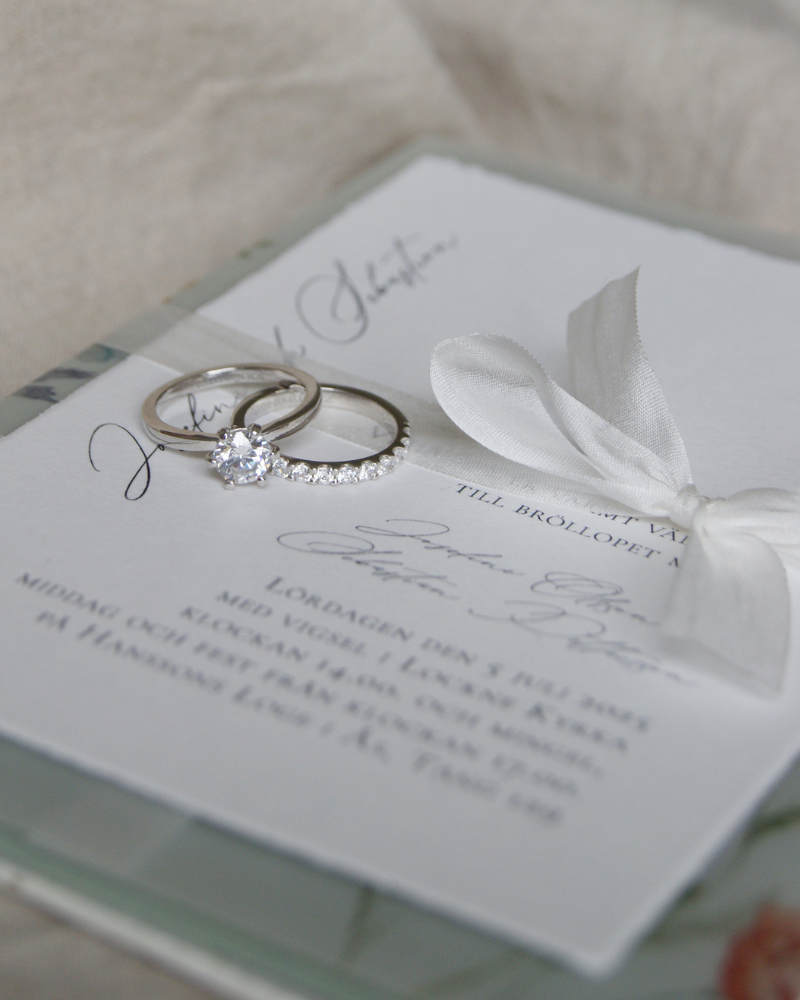
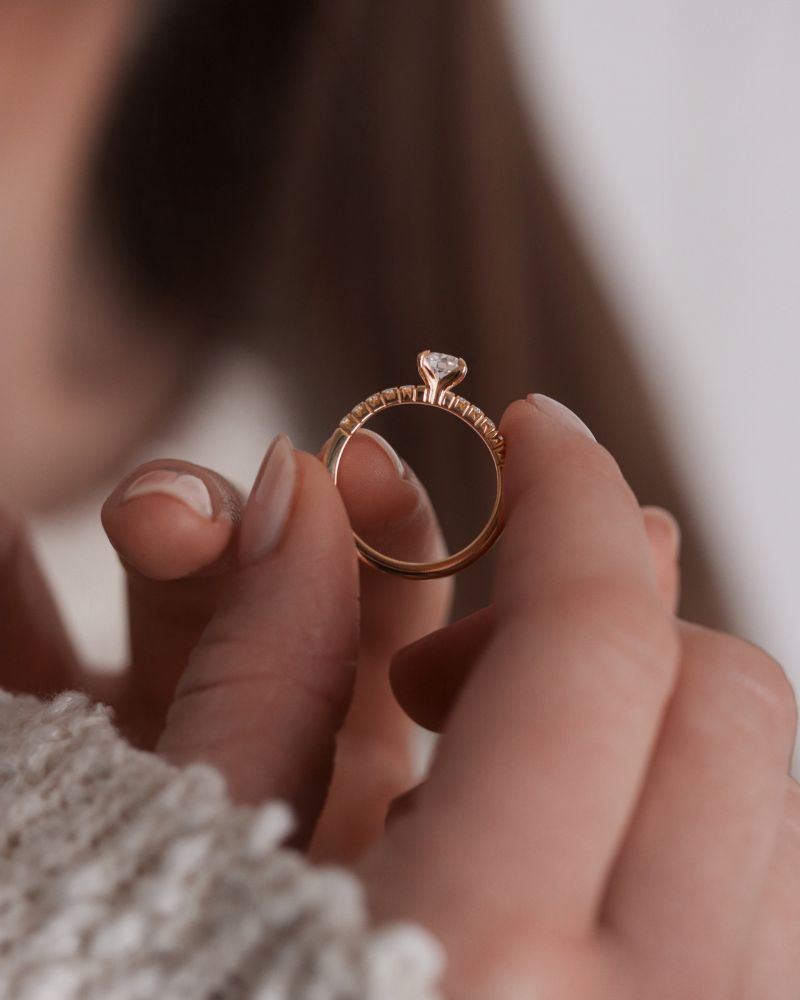
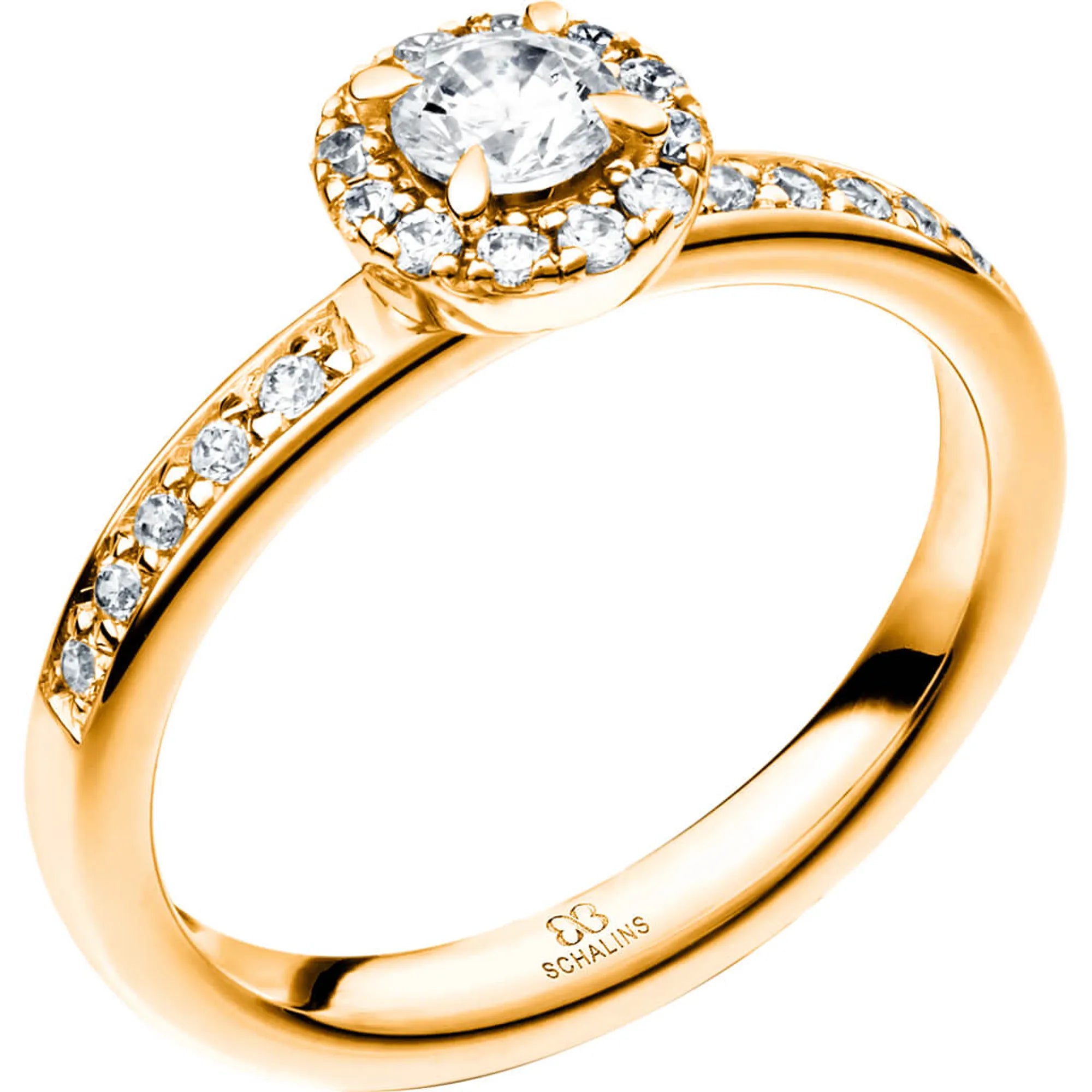
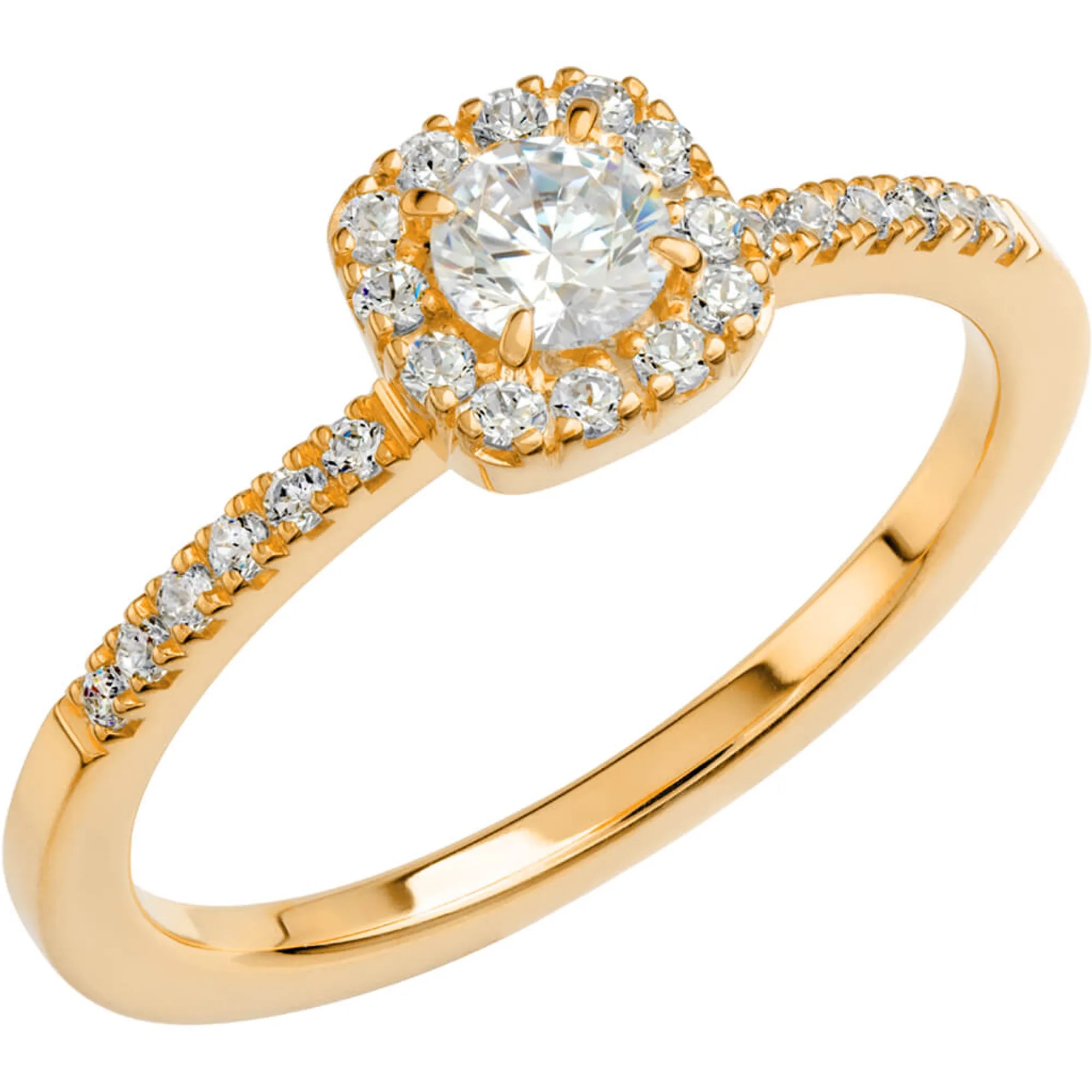
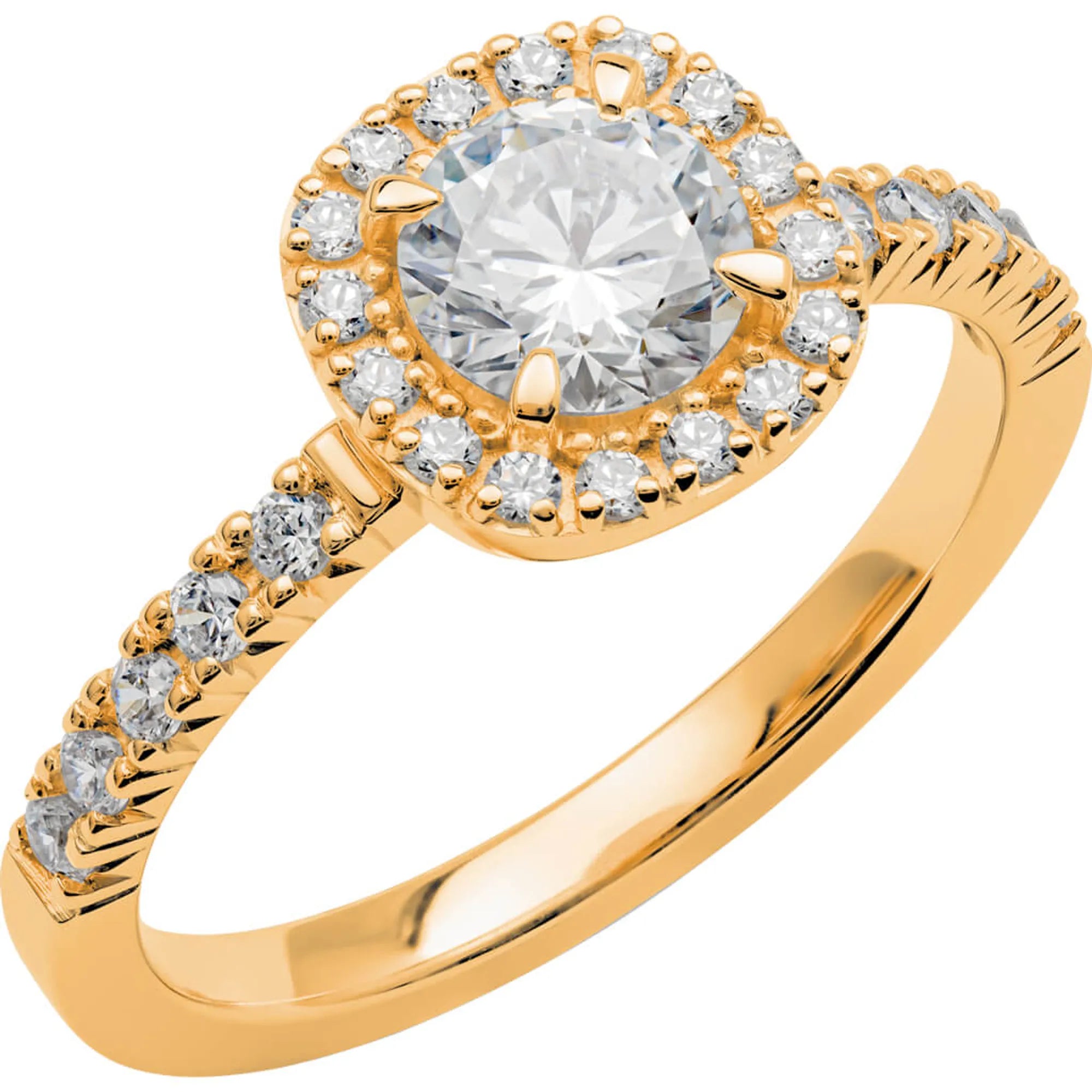
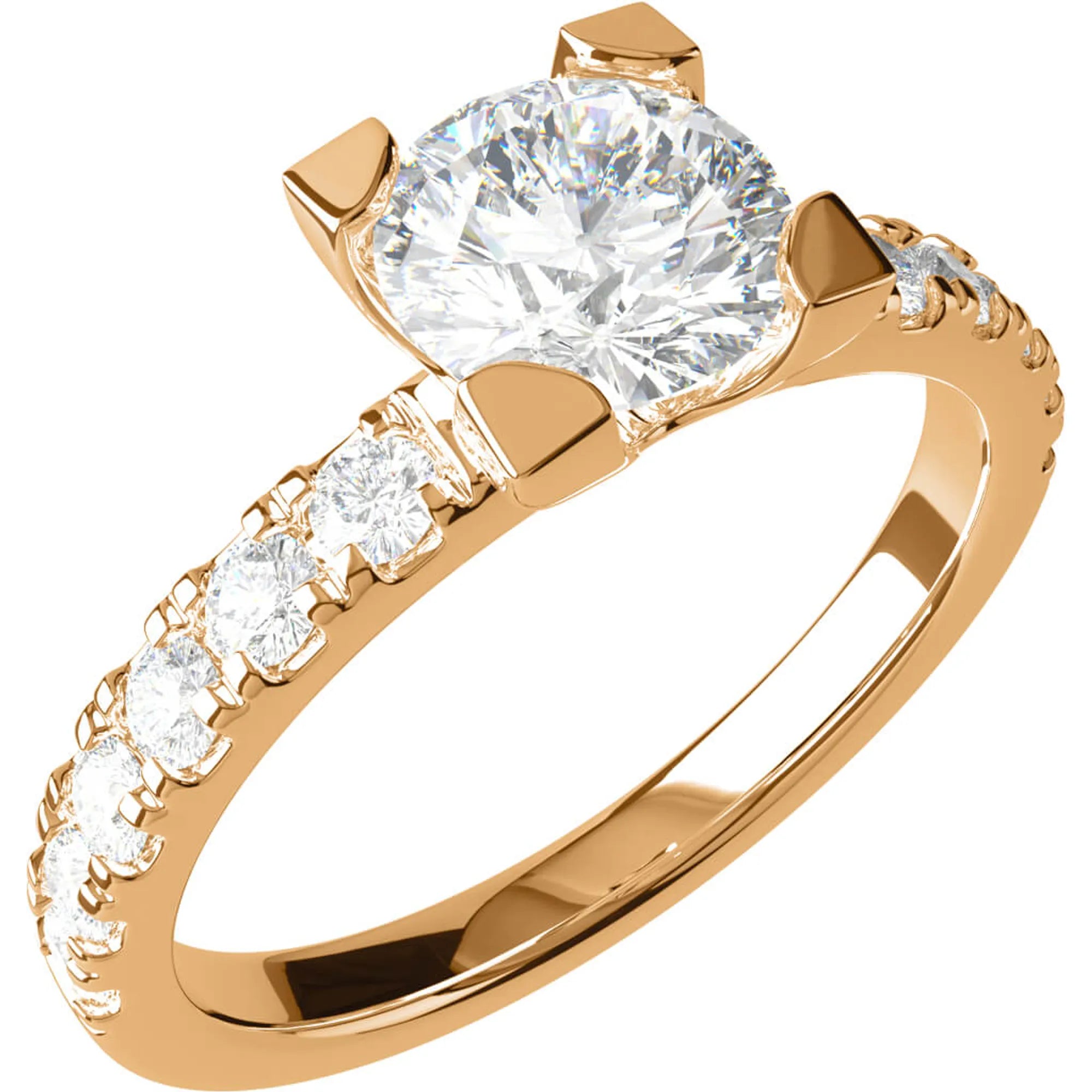
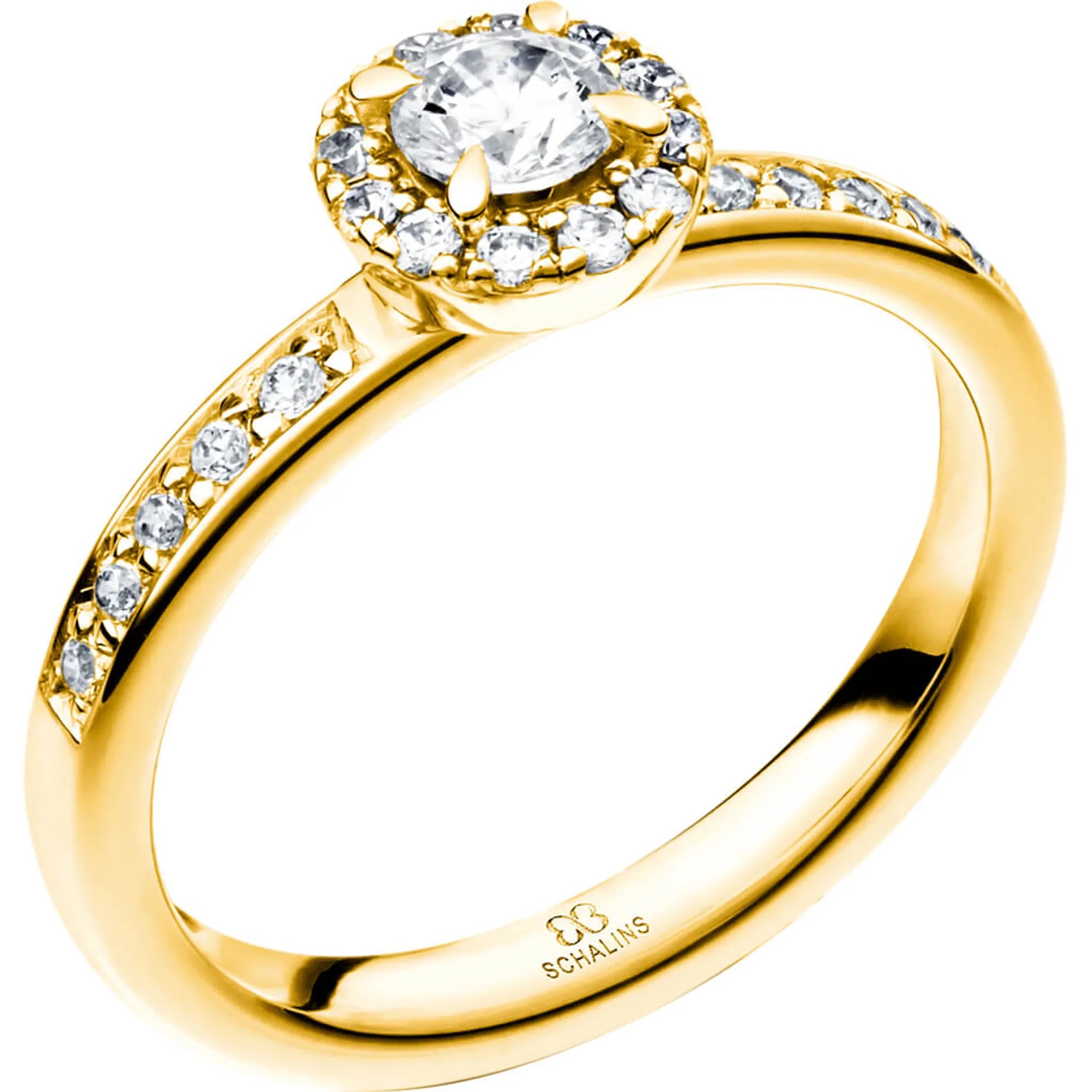
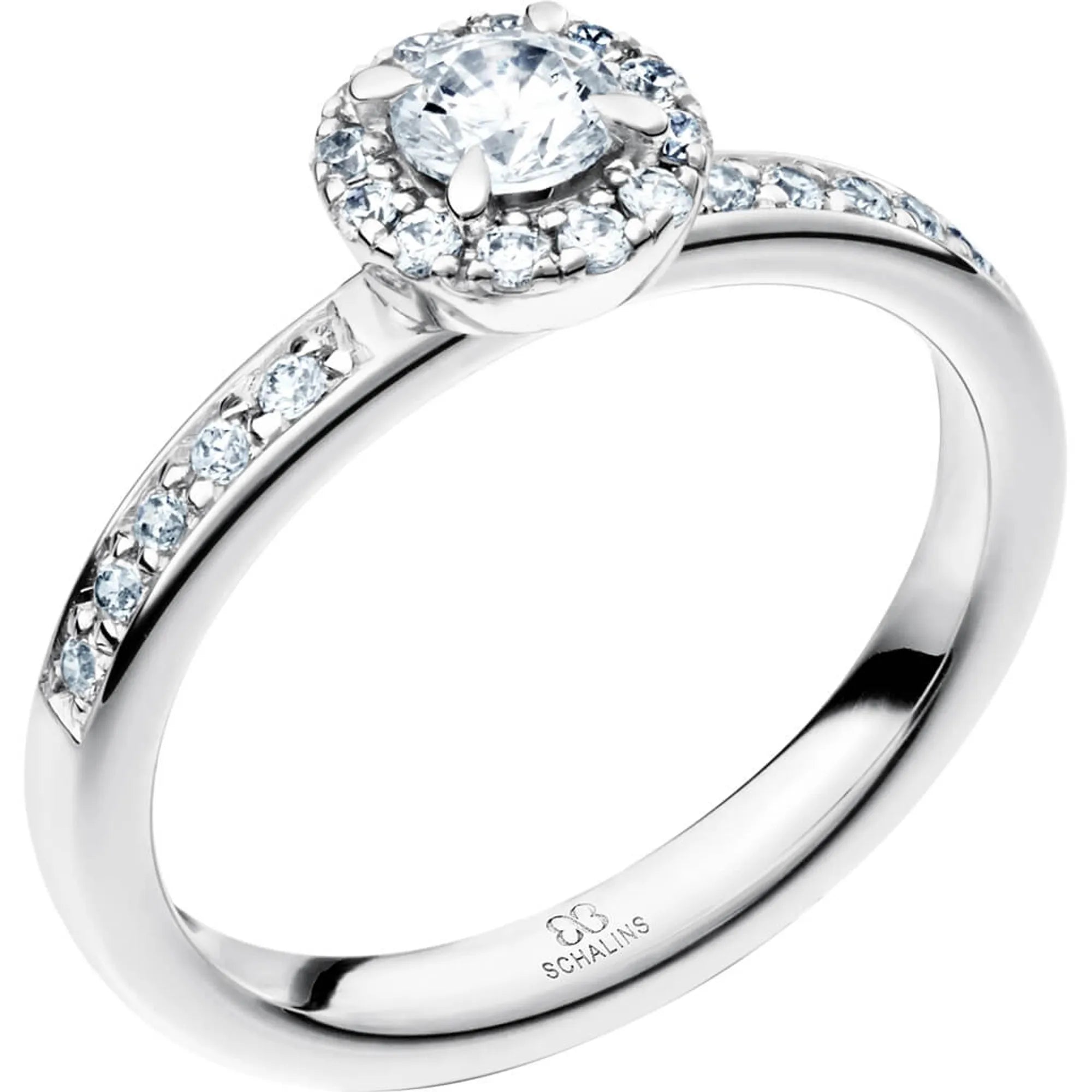
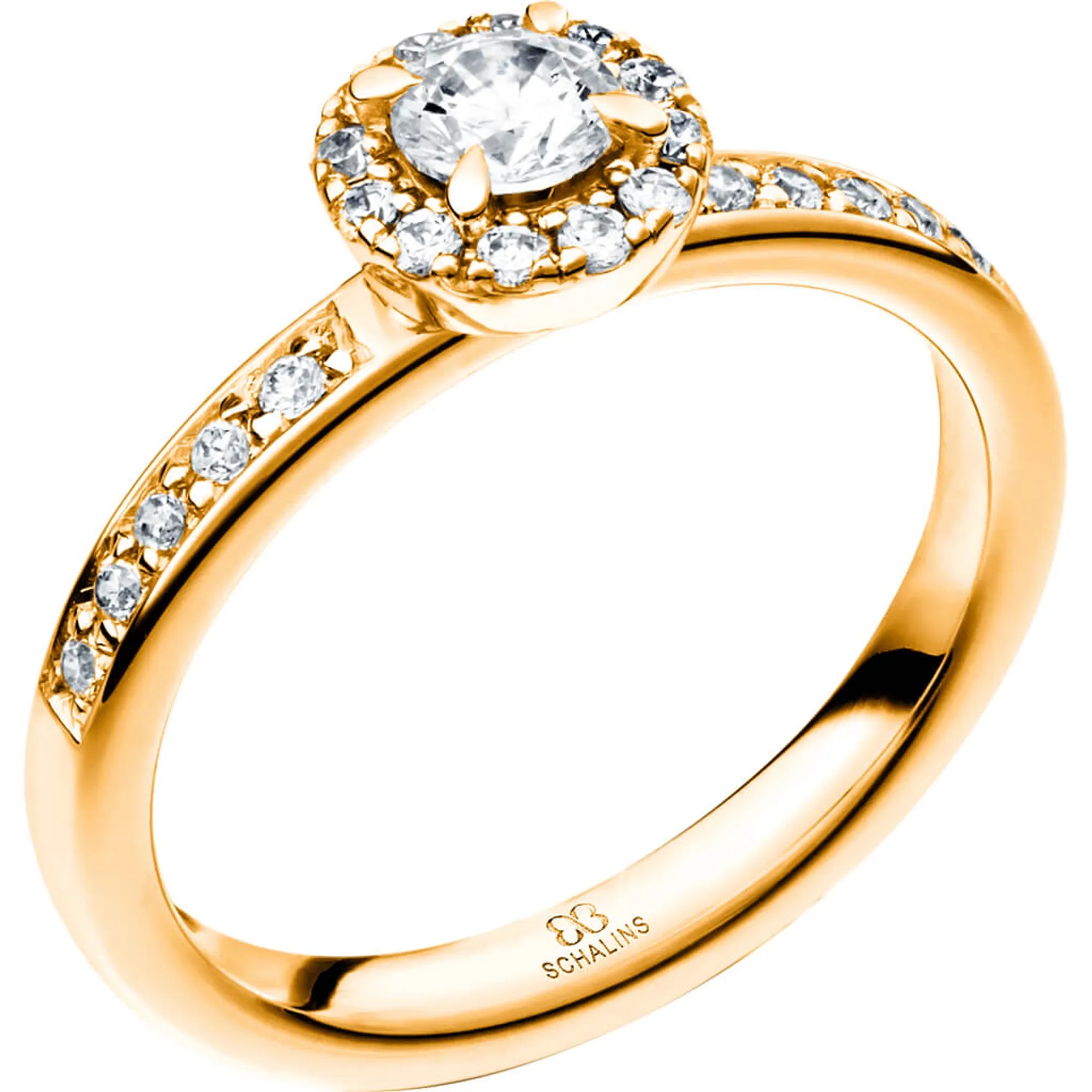
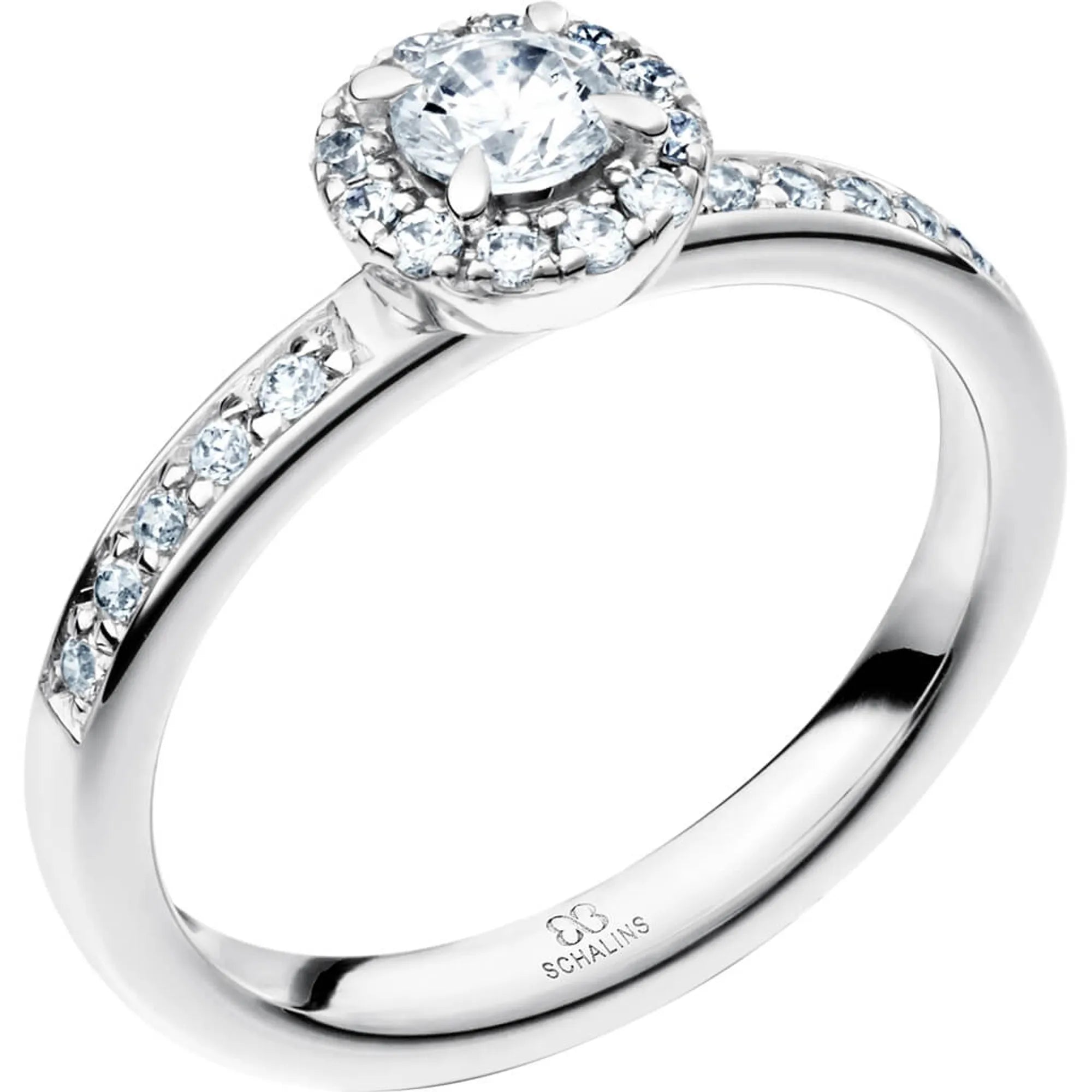
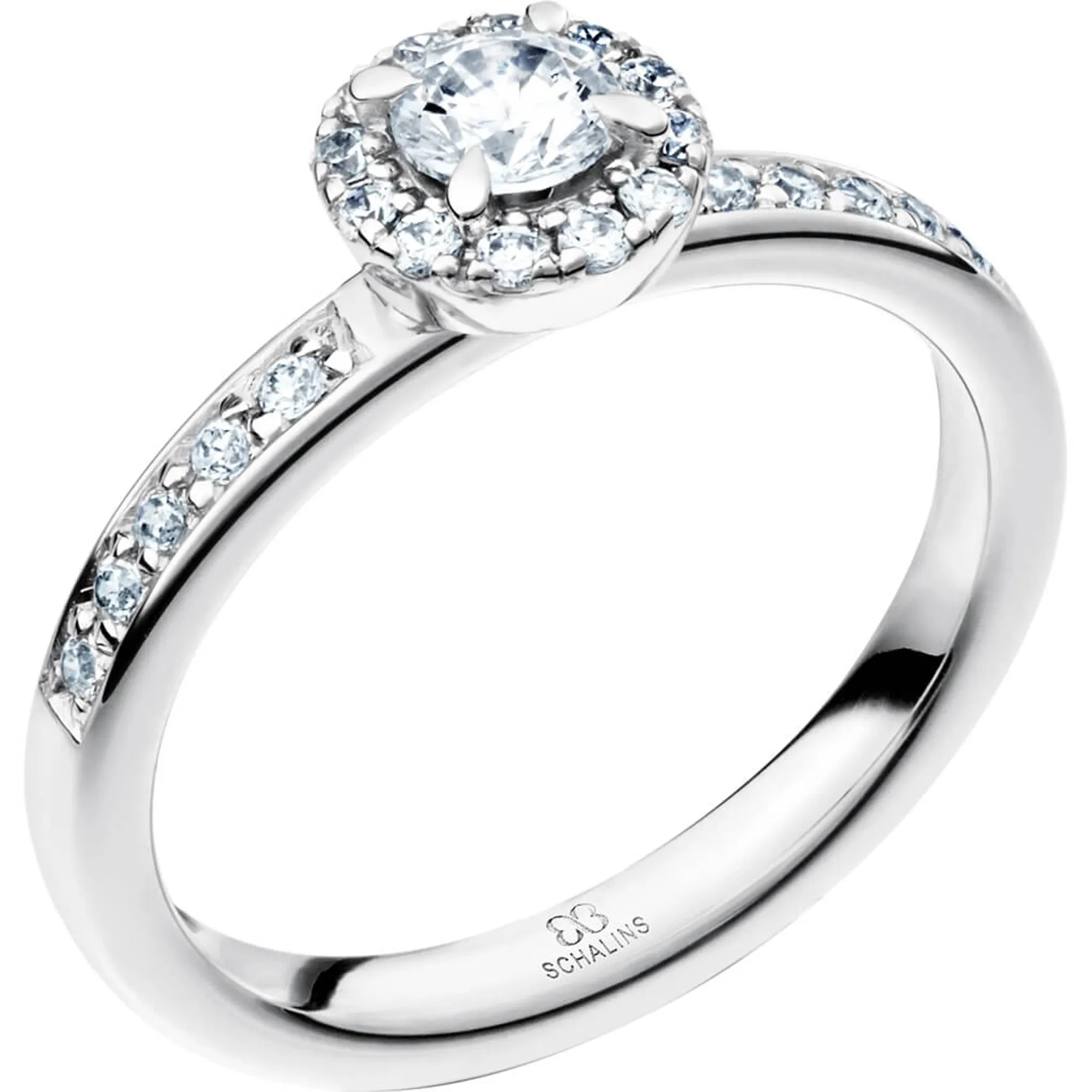
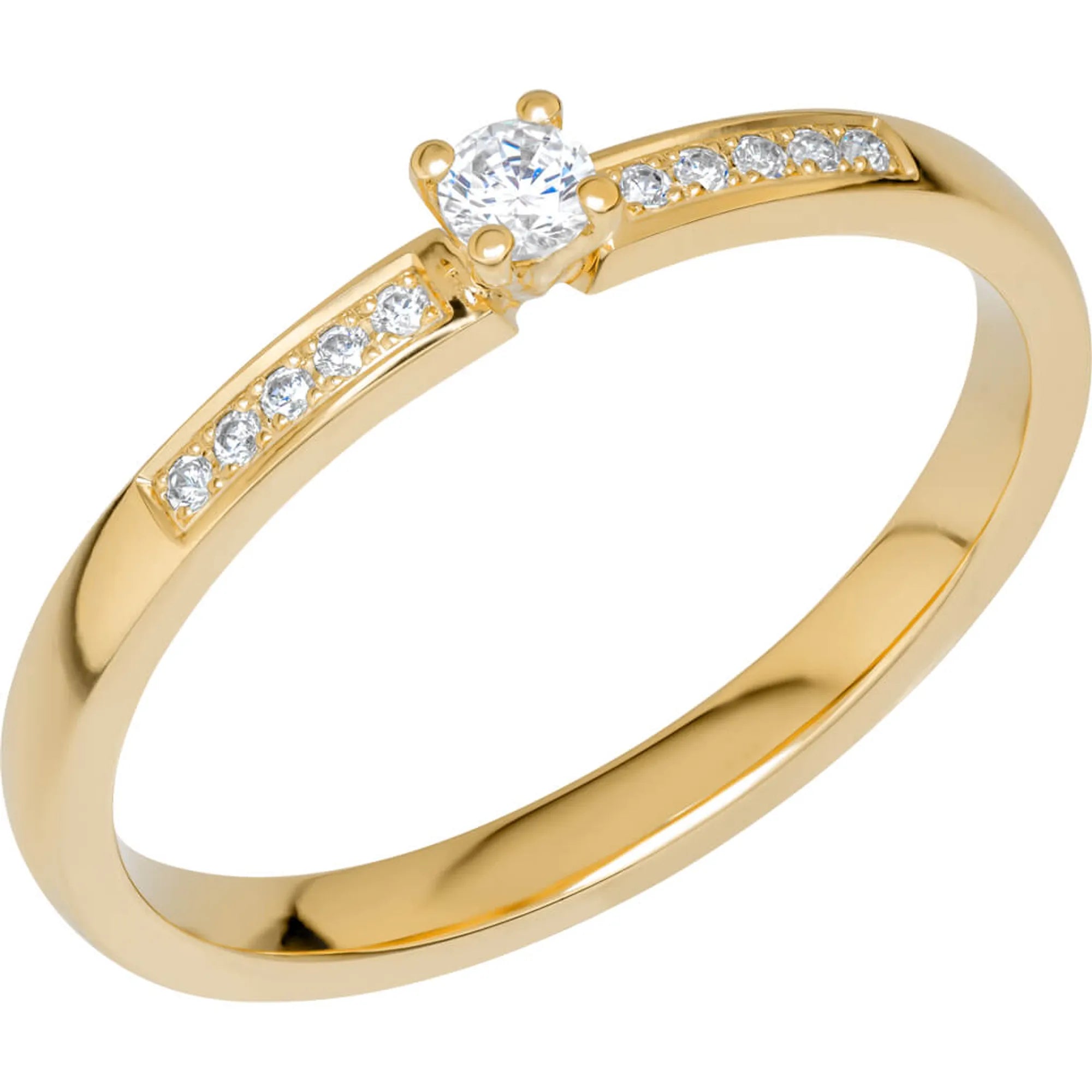
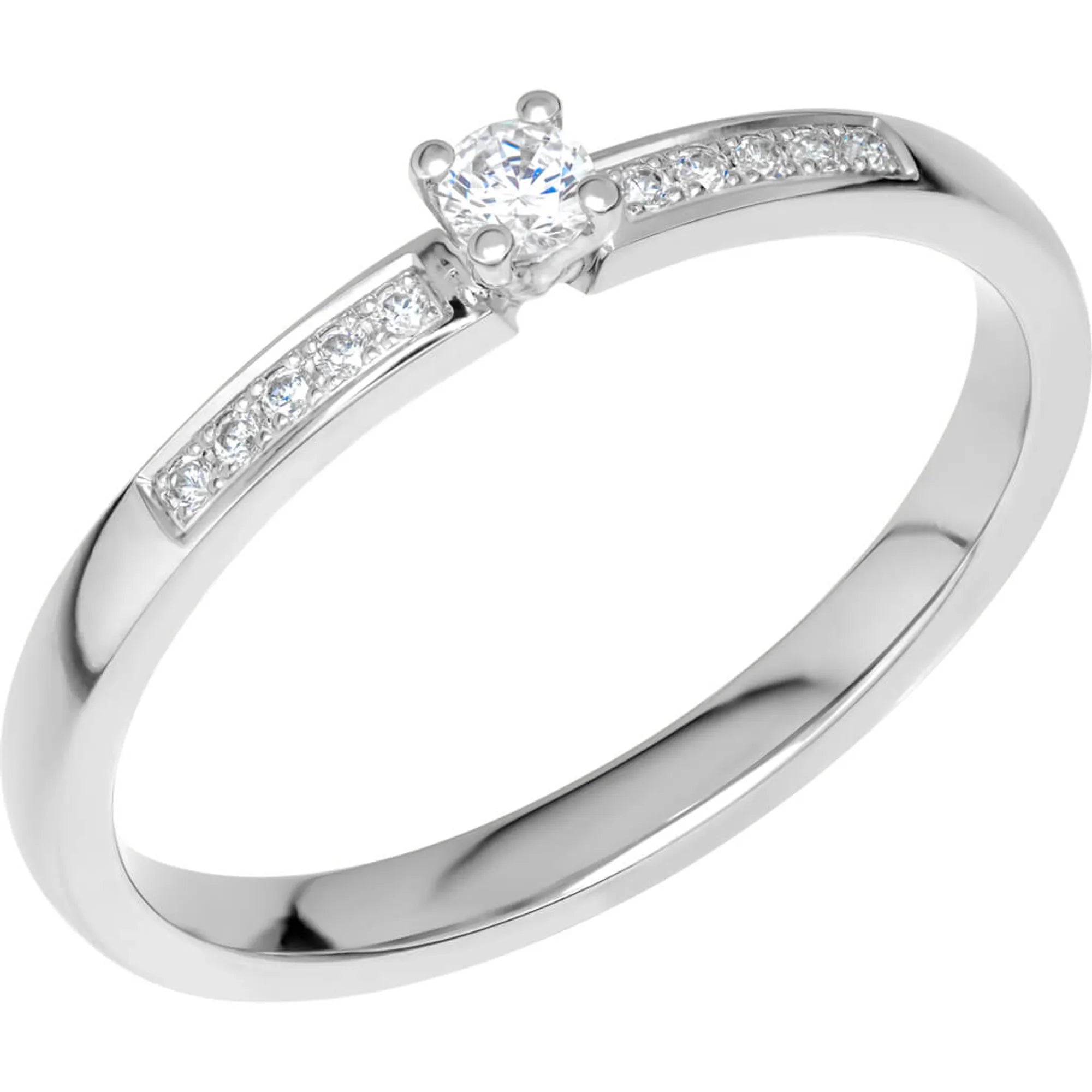
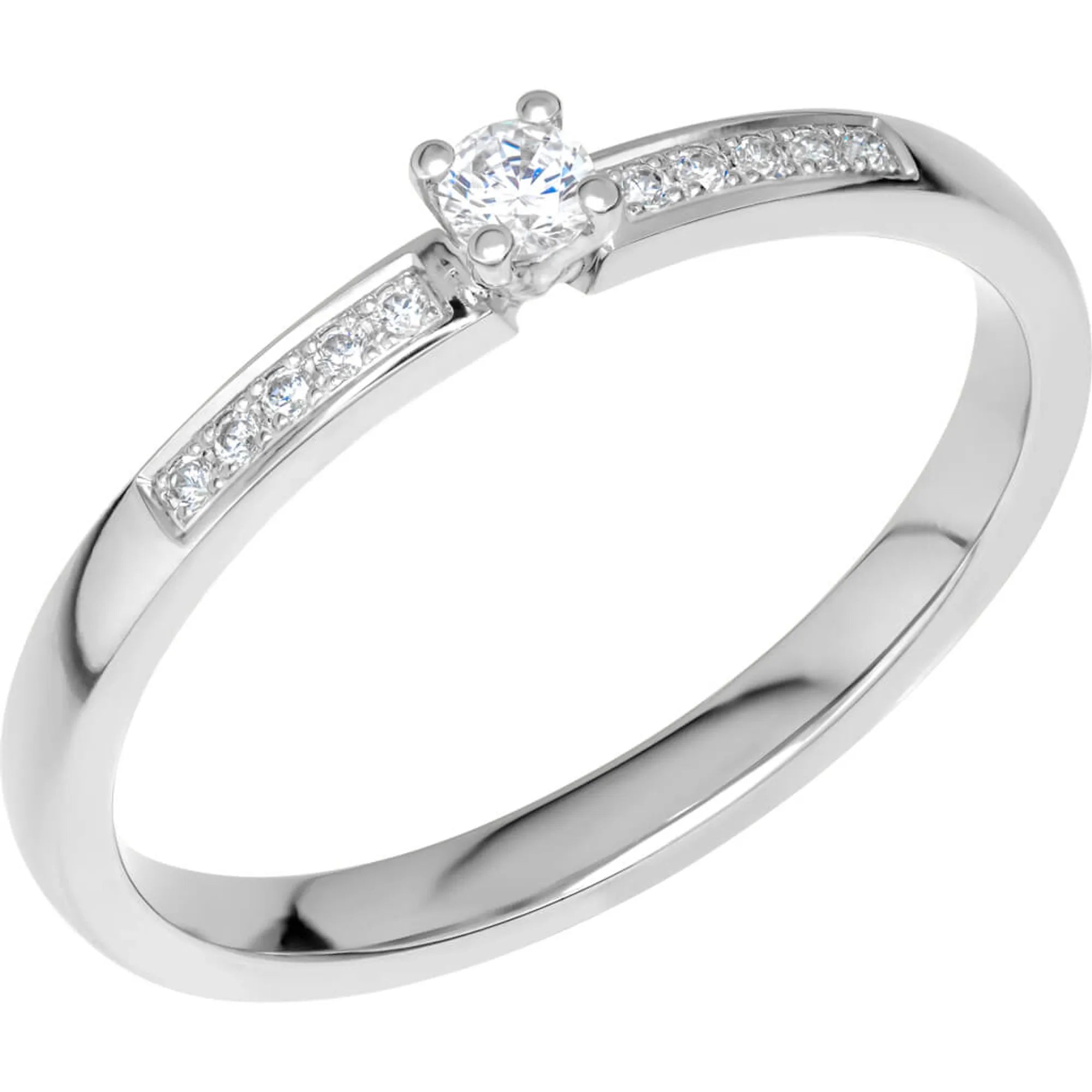
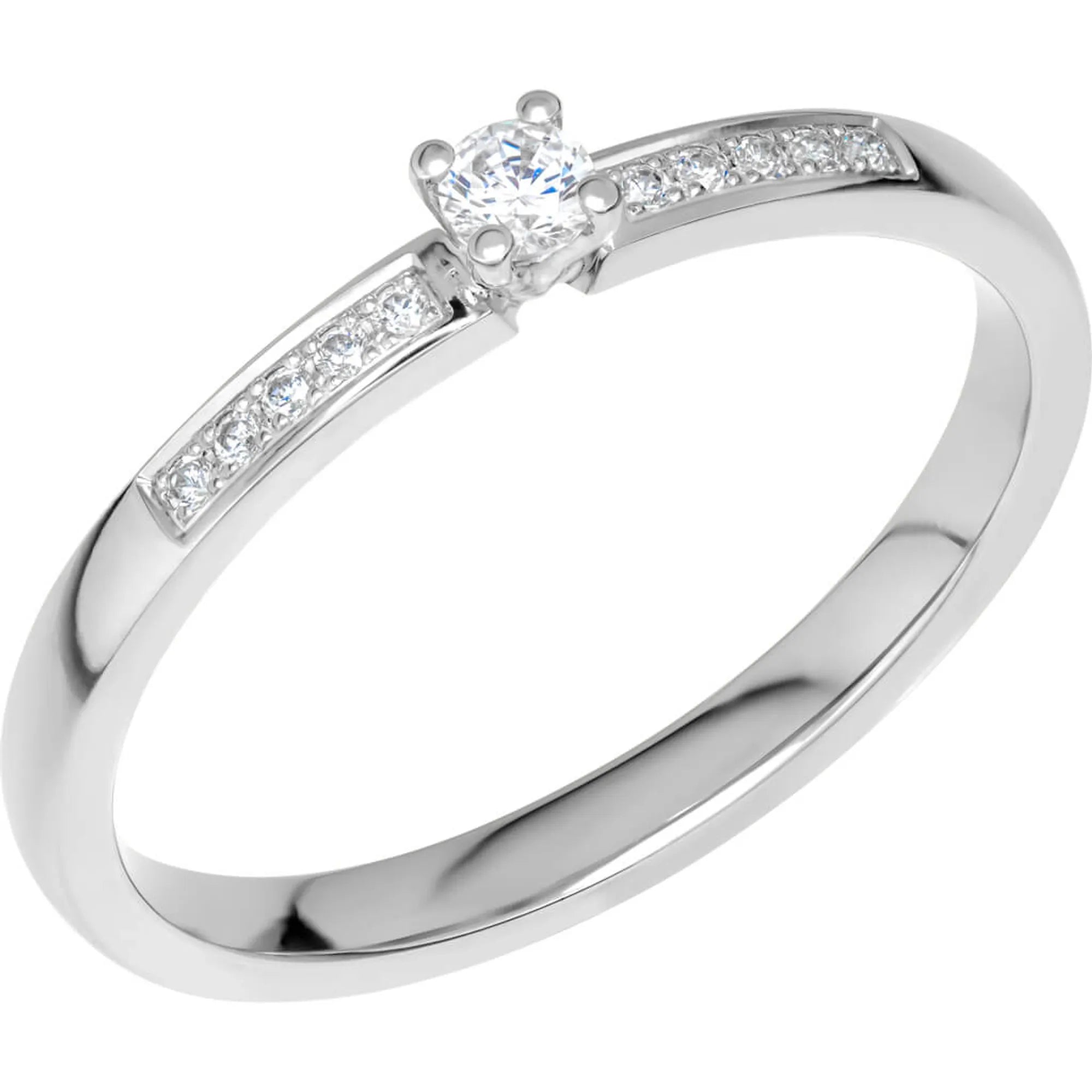
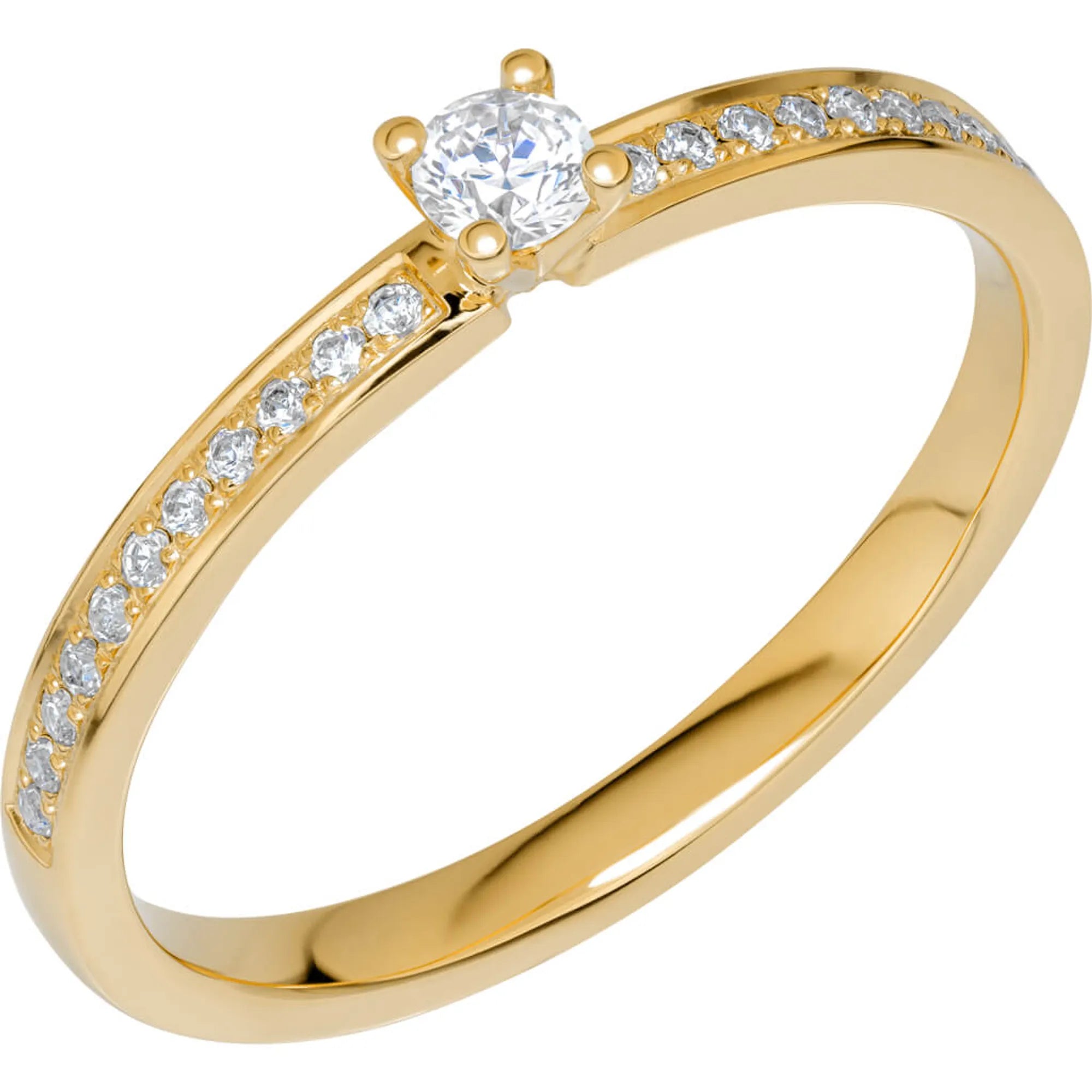
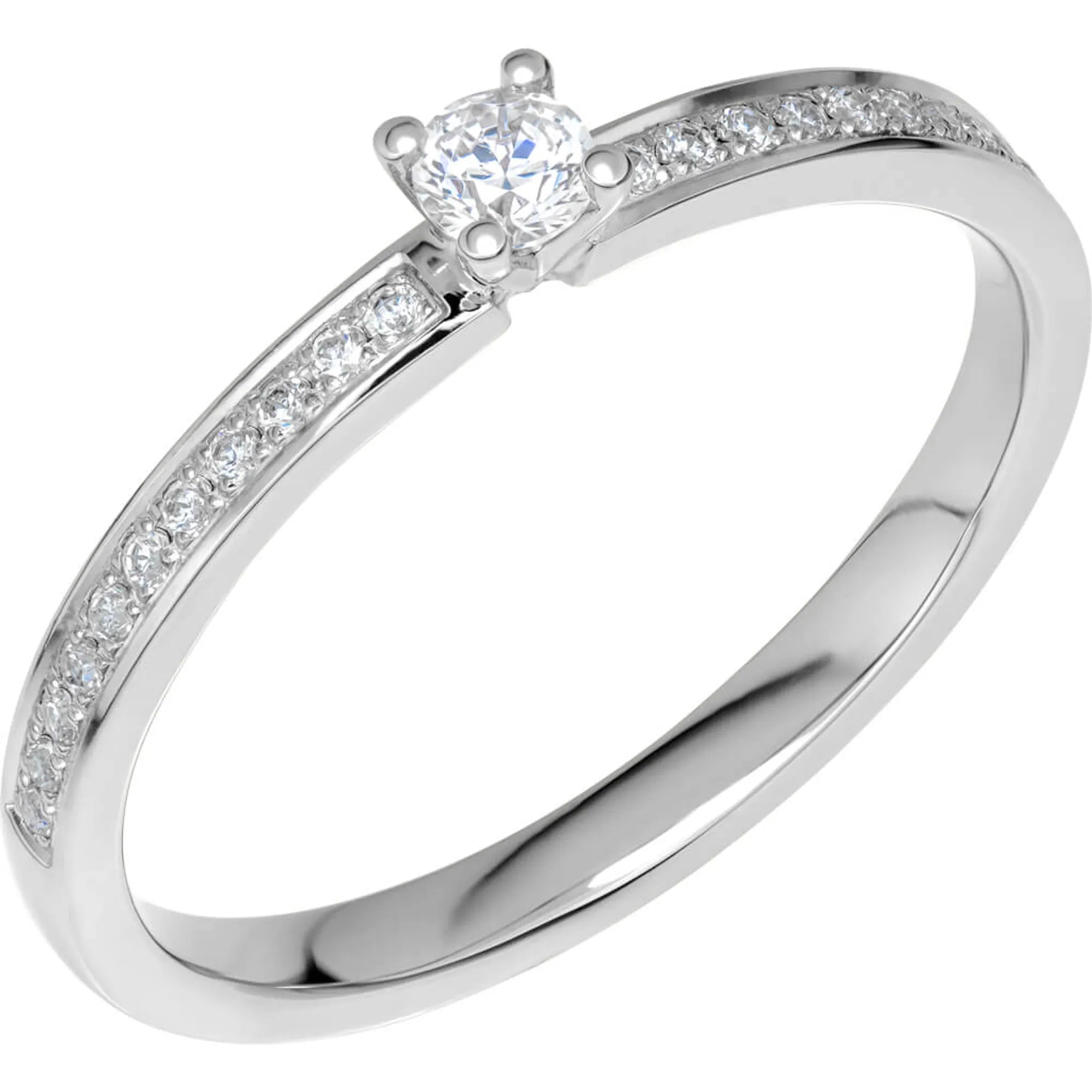
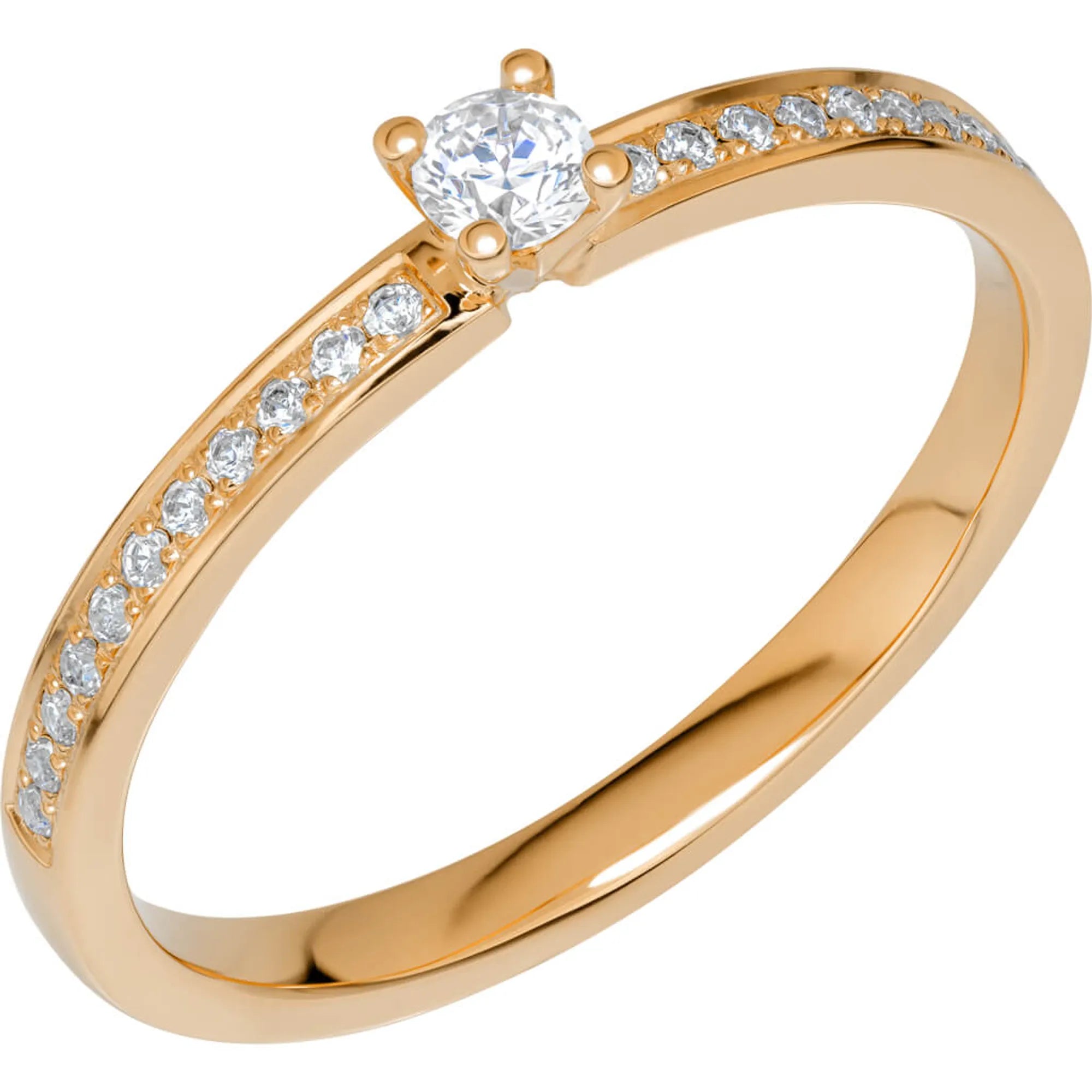
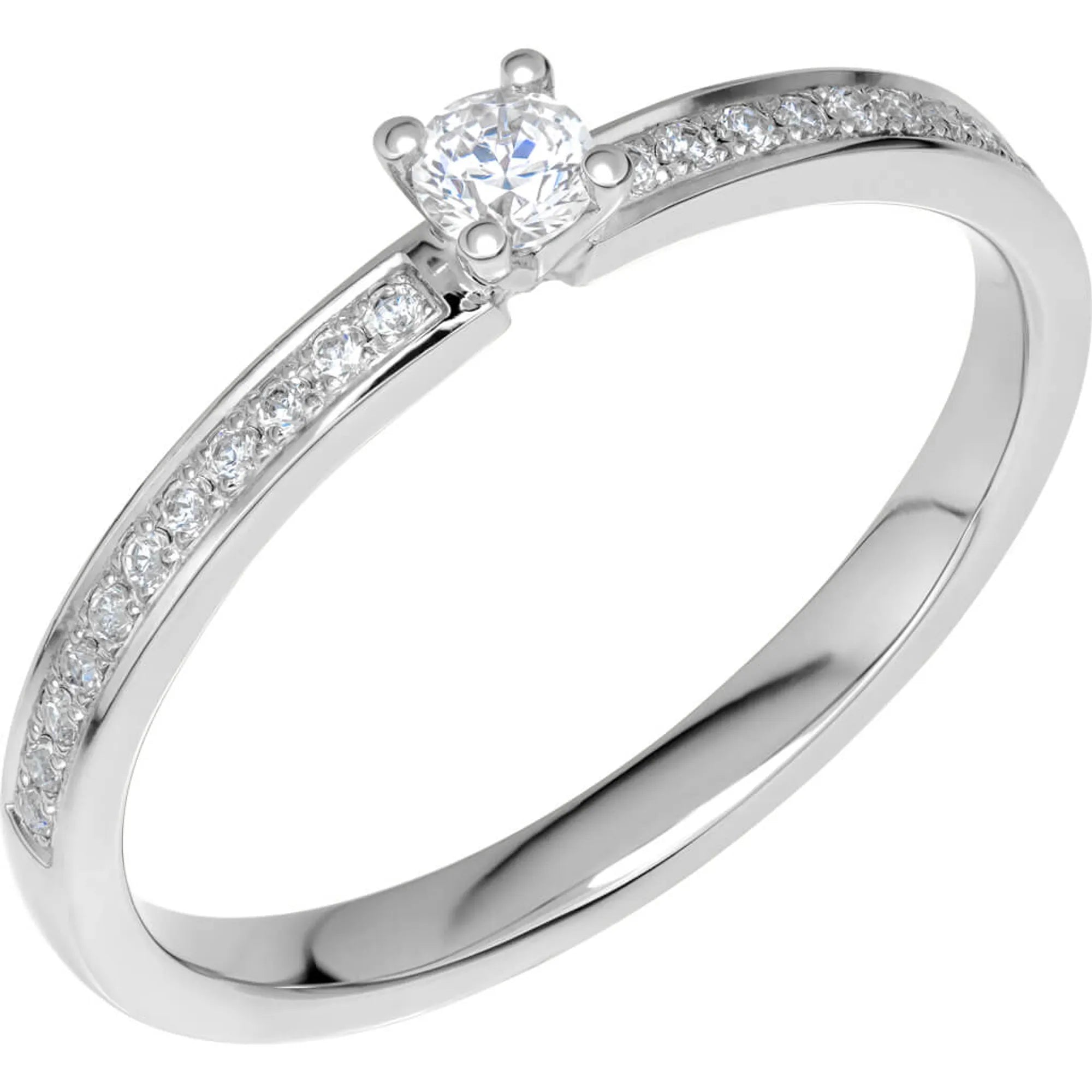
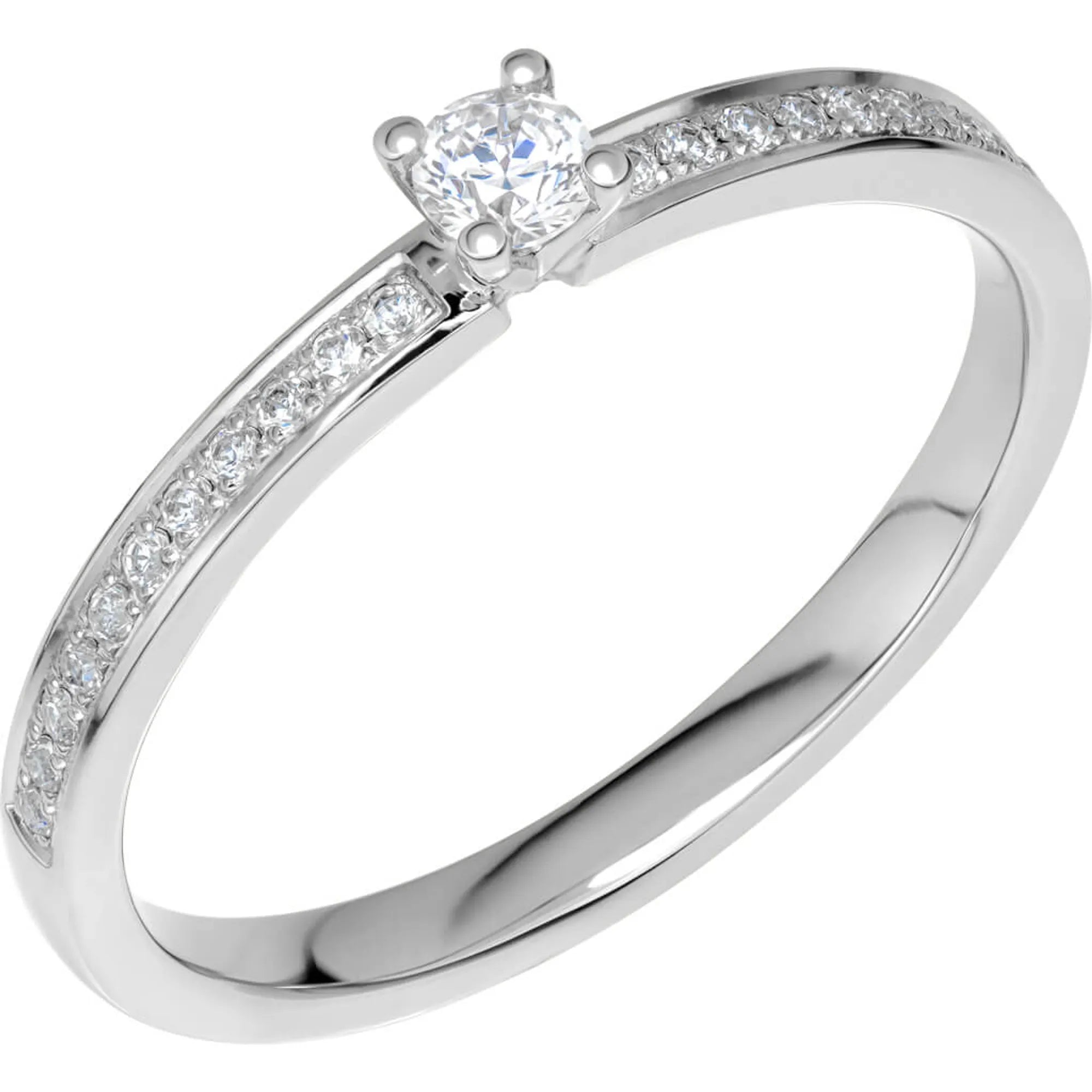
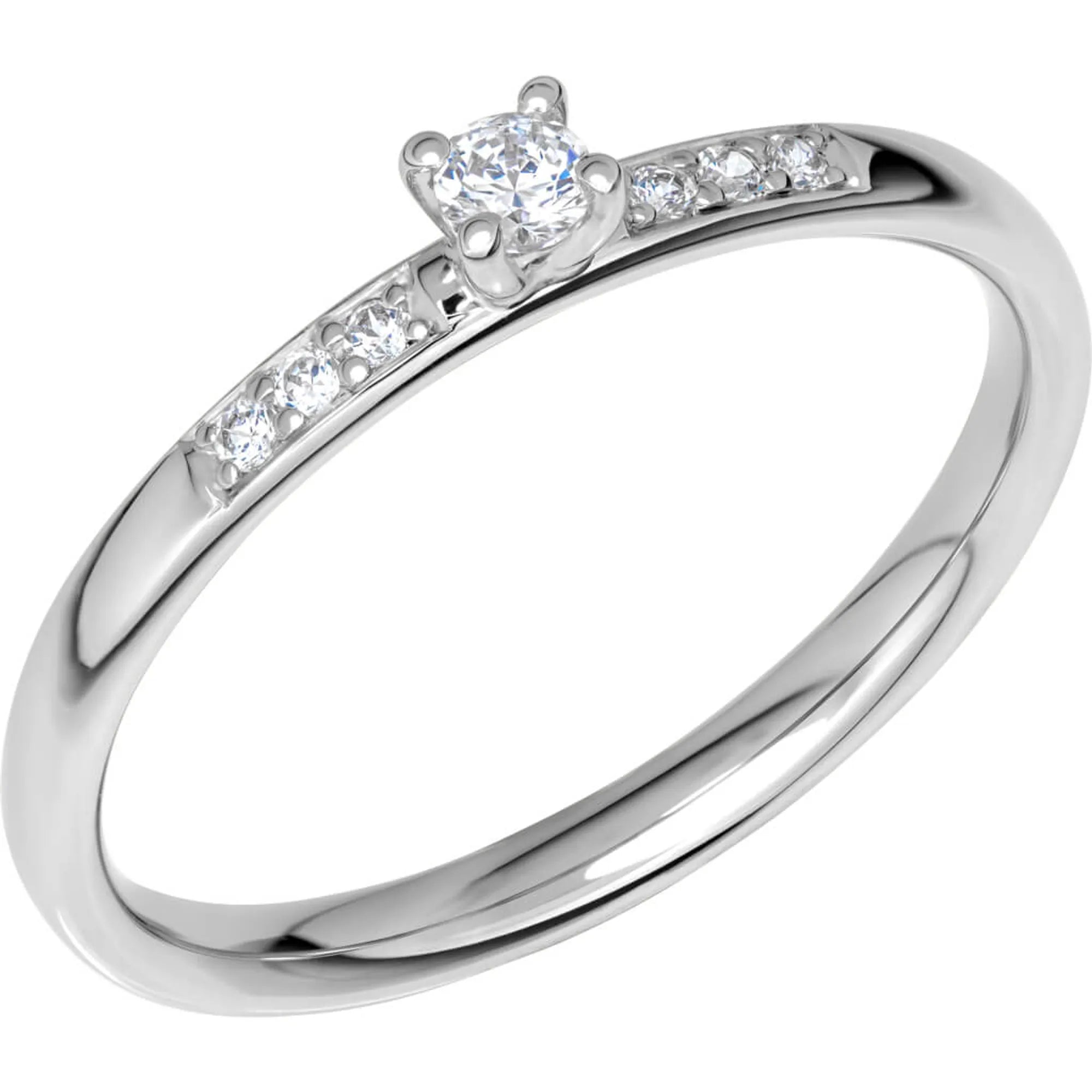
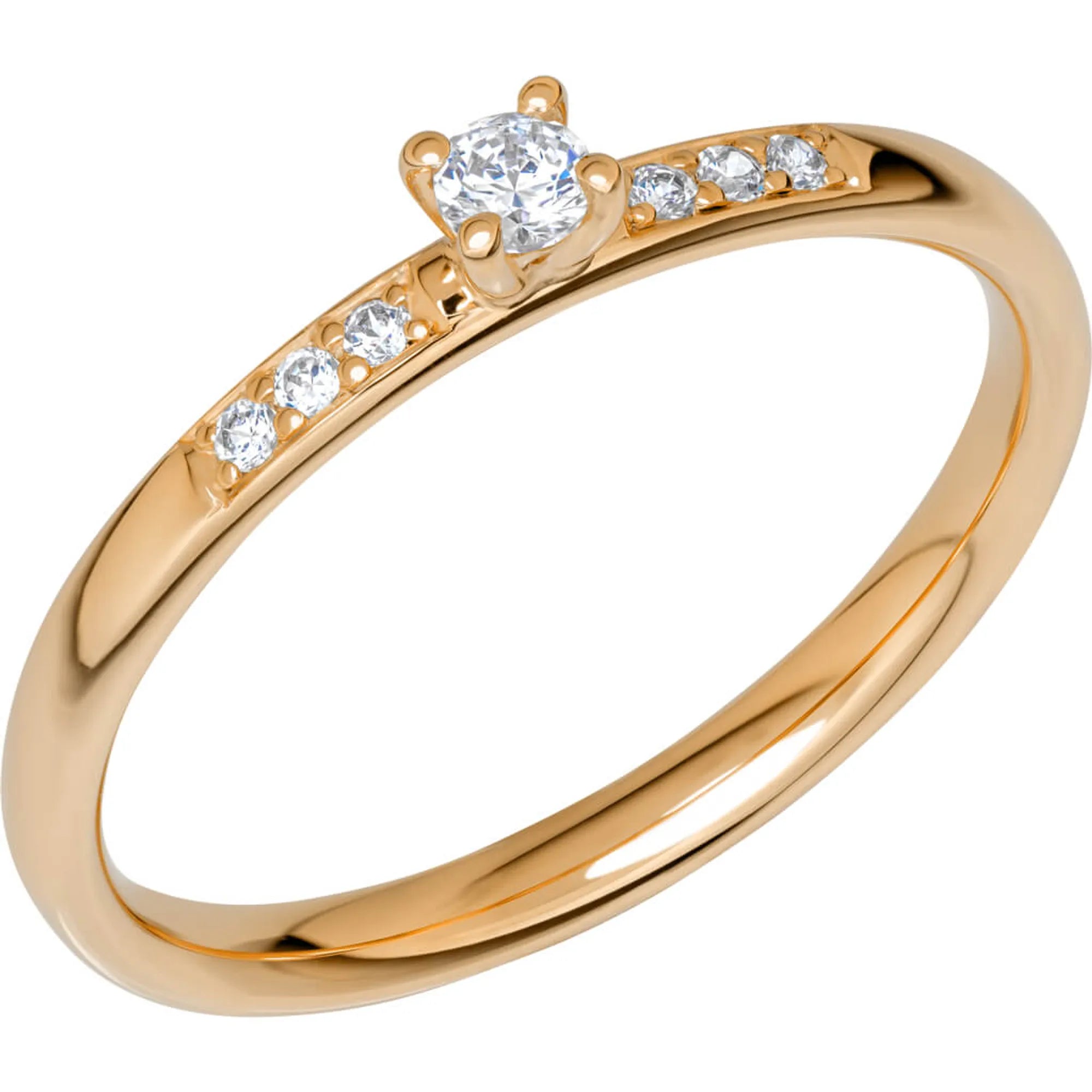
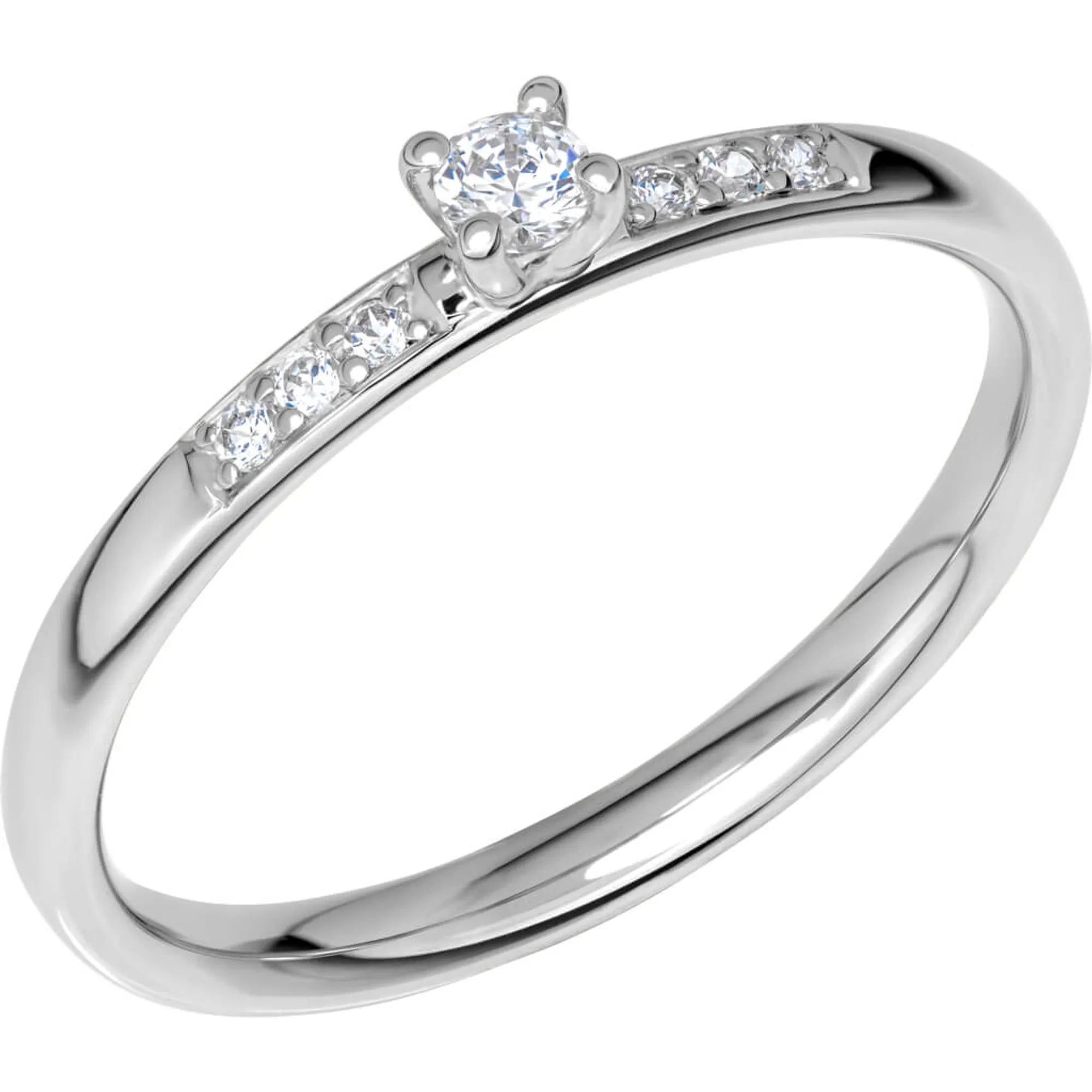
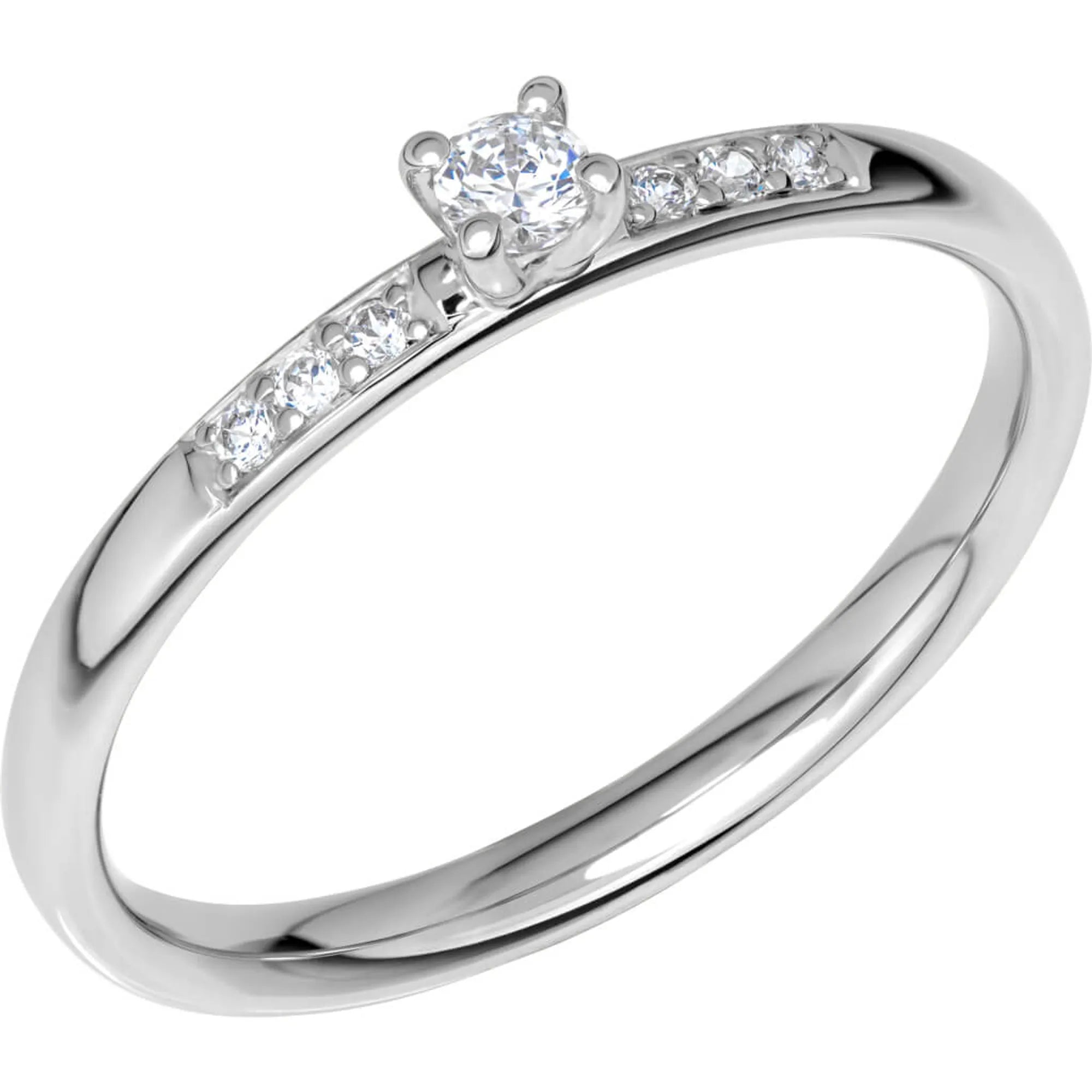
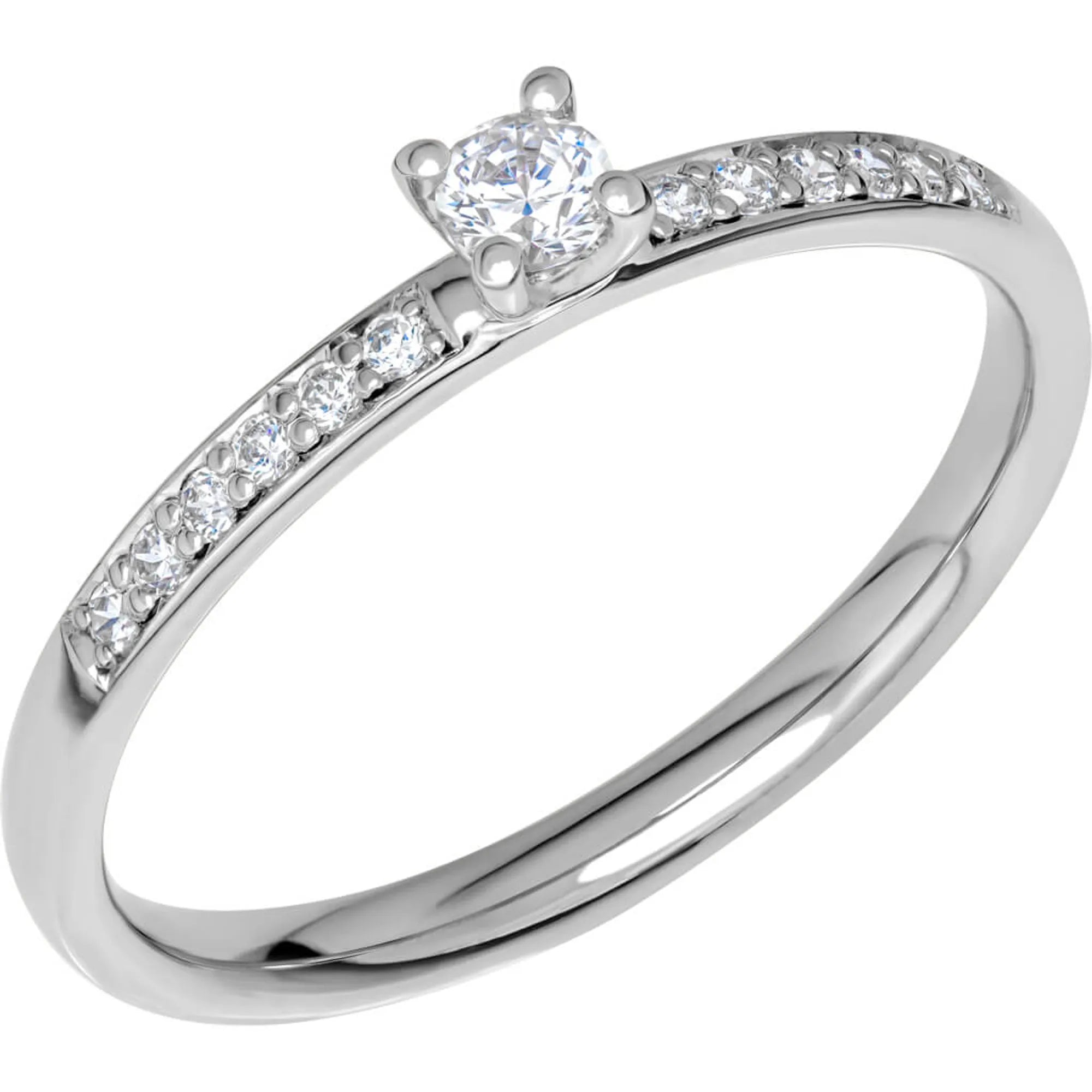
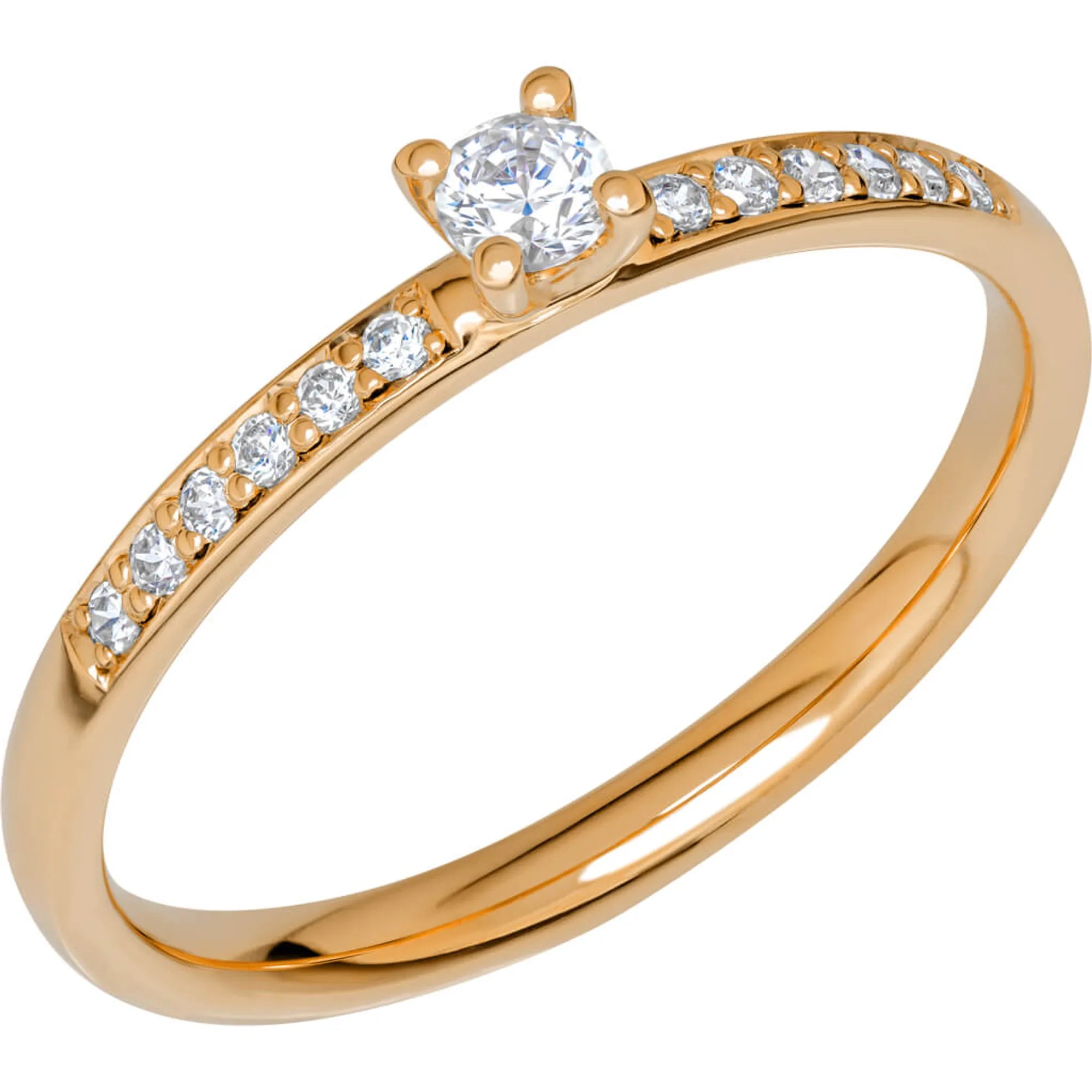
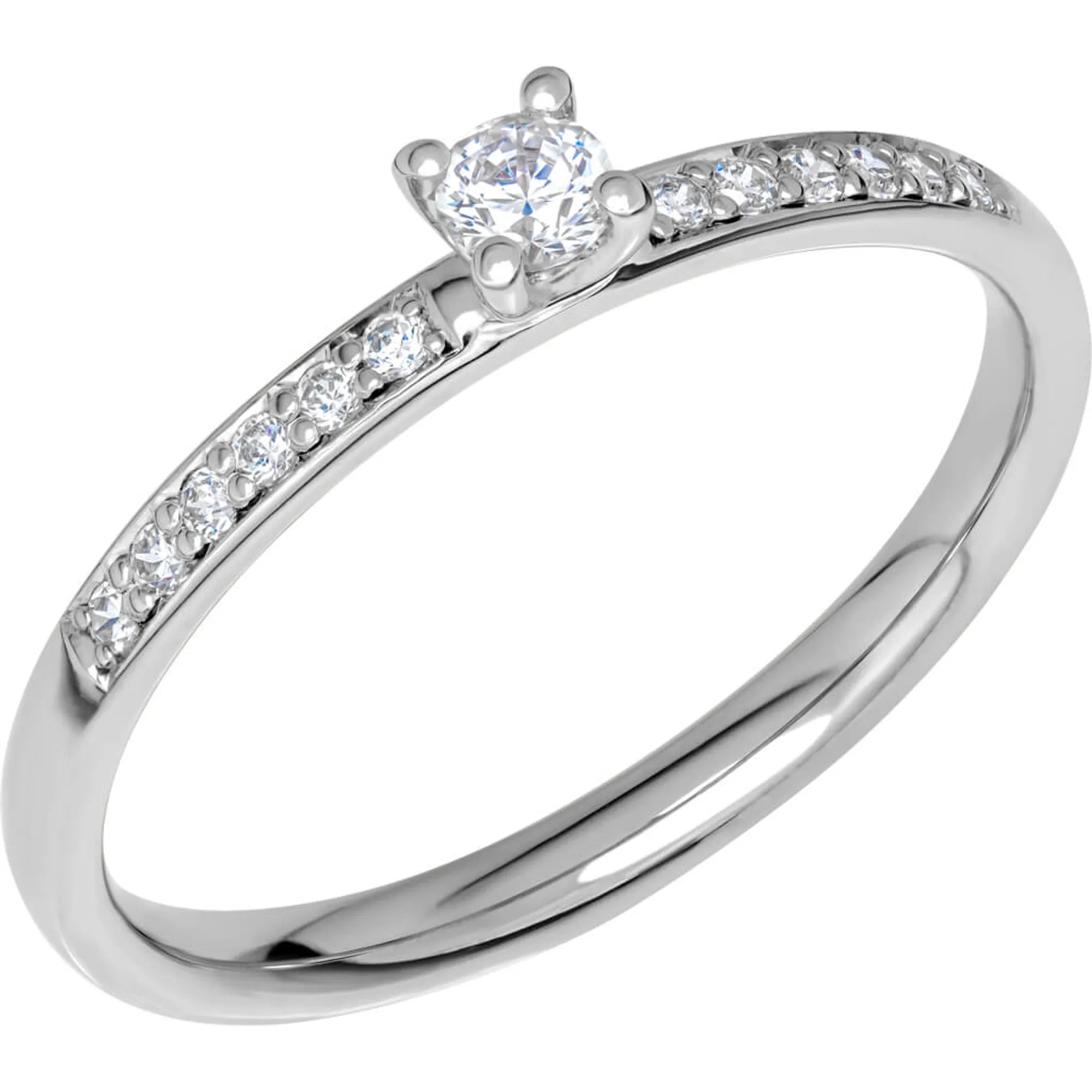
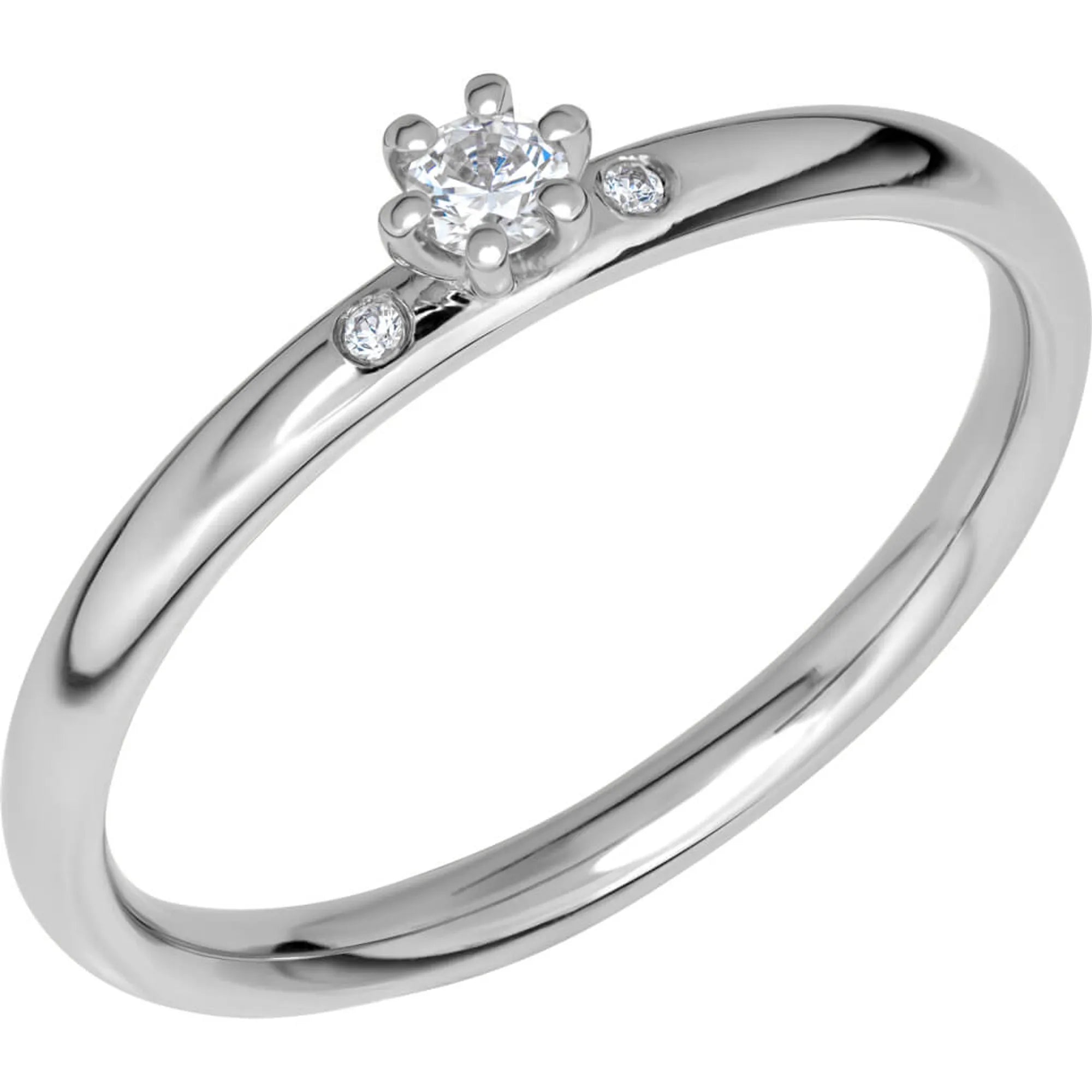
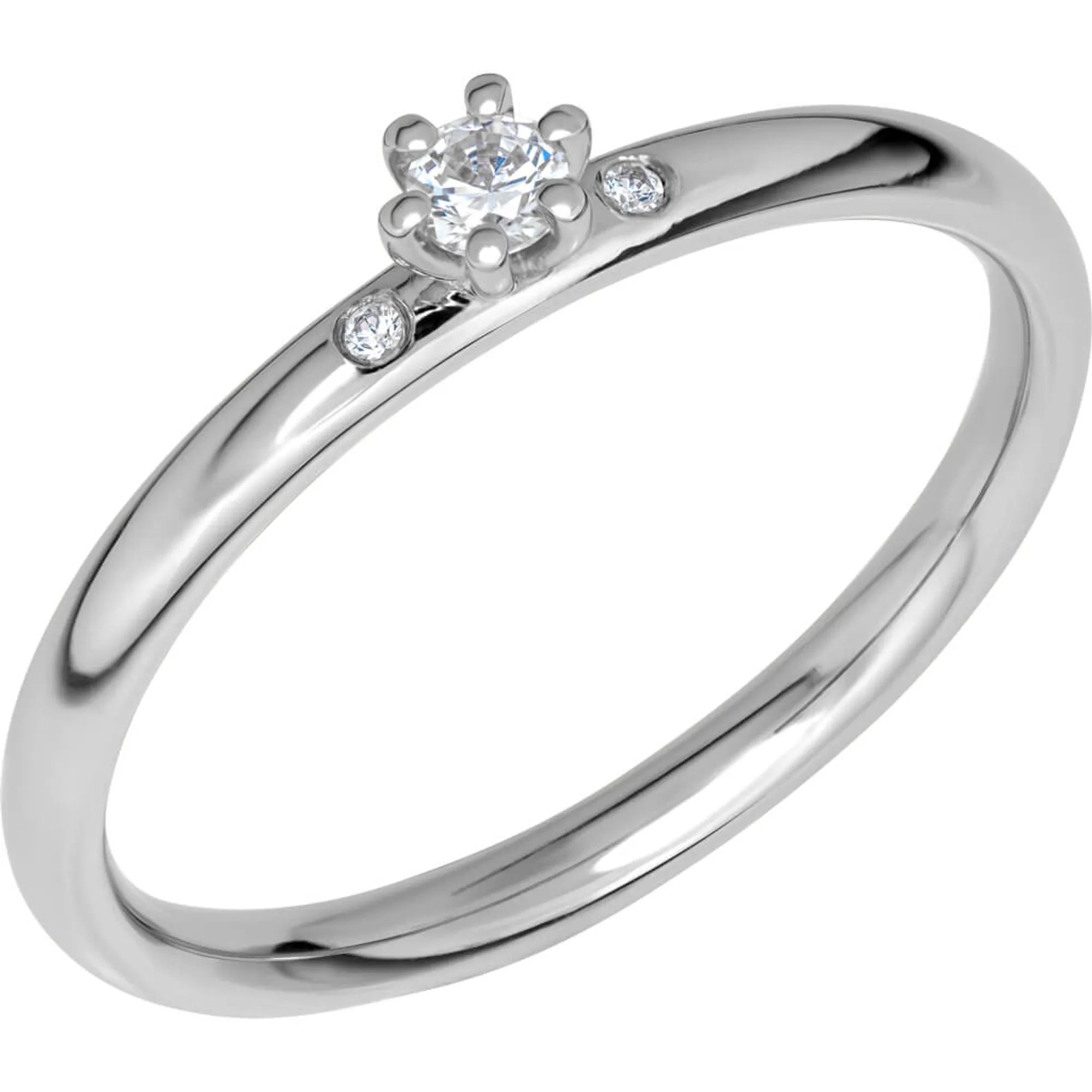
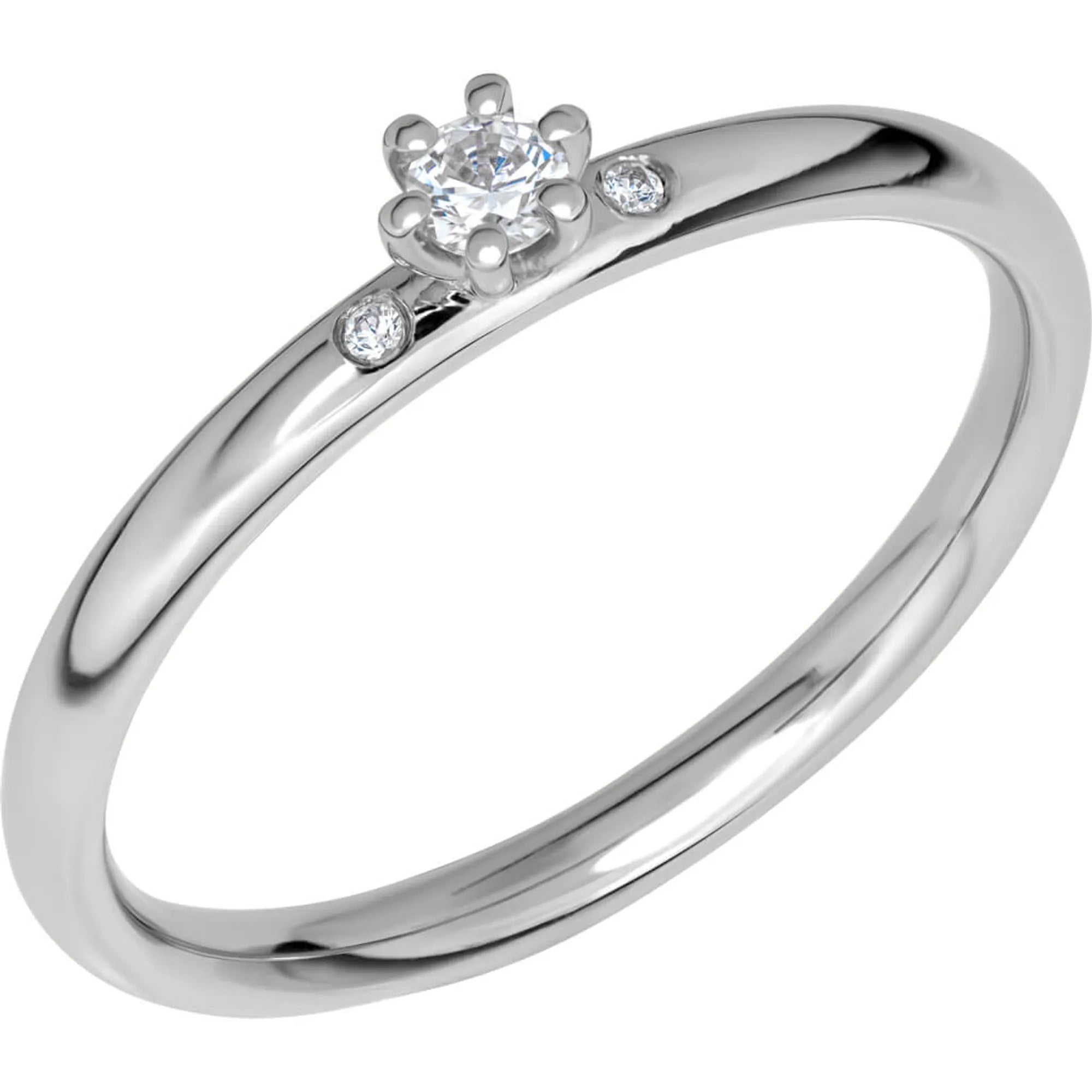
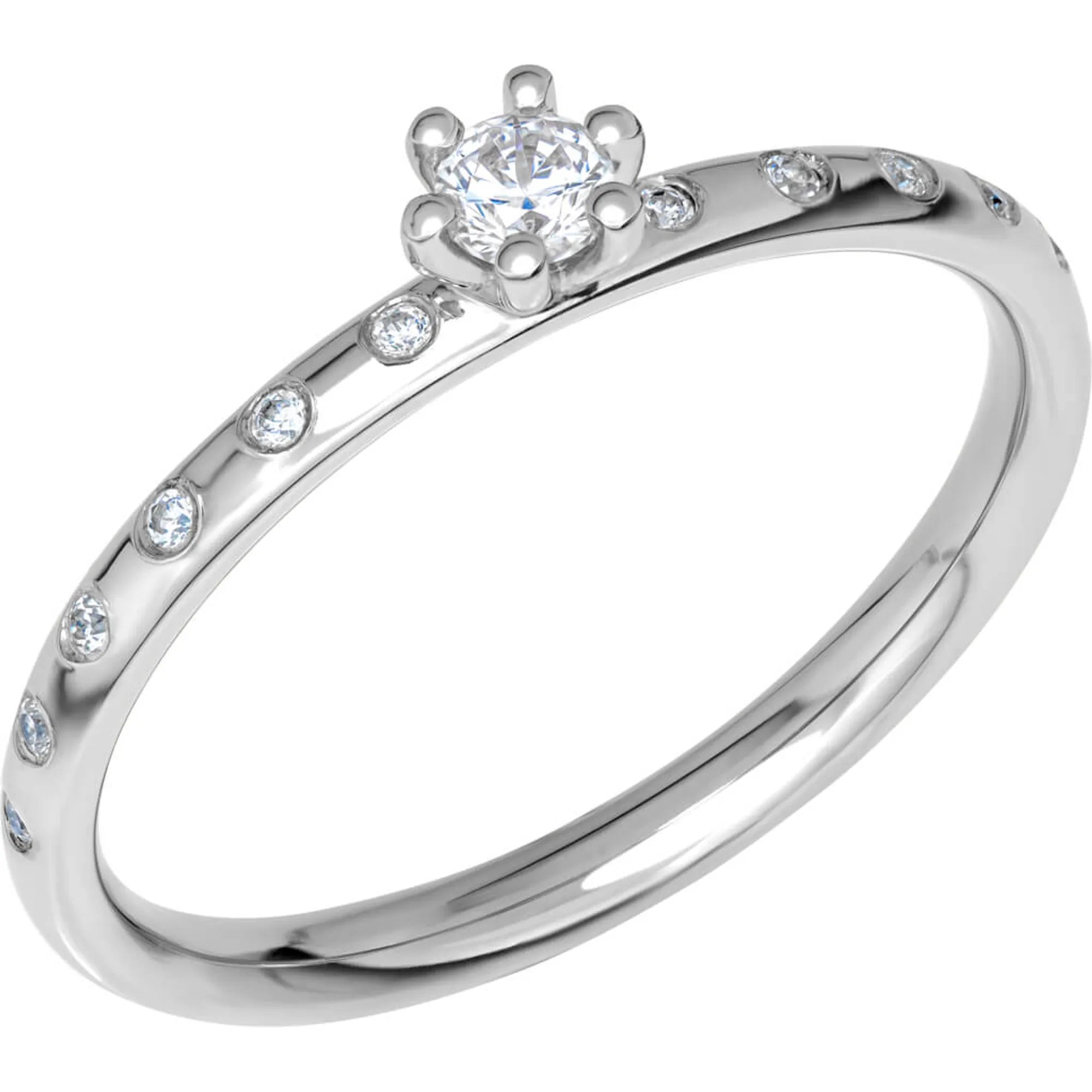
The side stones can be set in various ways depending on the ring's shape and expression. In some models, the stones are set along a shorter section of the band, while in others they continue further around the ring.
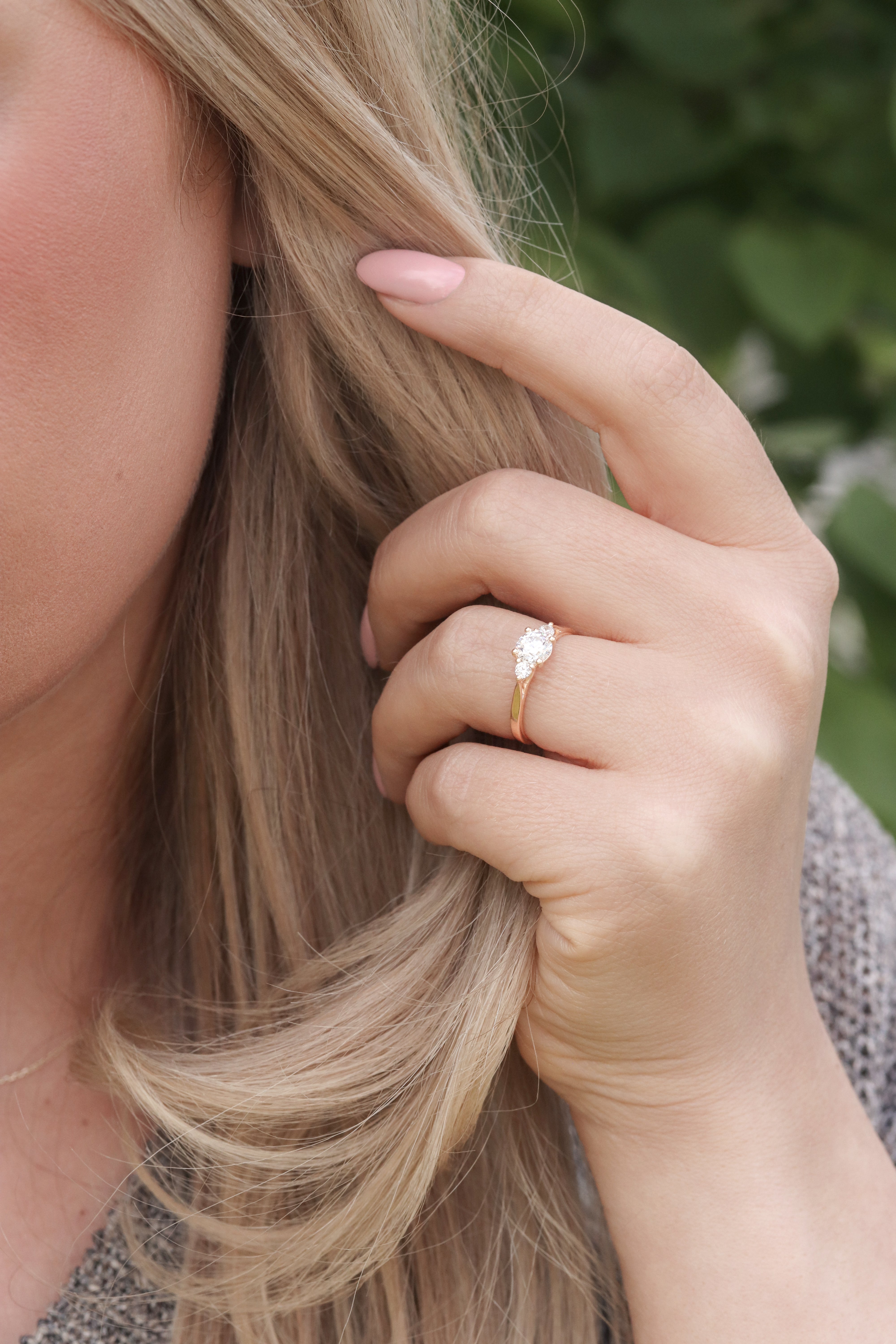
Variations in the size and placement of the stones affect how the ring is perceived visually. When the proportions are well-balanced, a ring is created where the center stone and side stones form a cohesive whole.
Setting
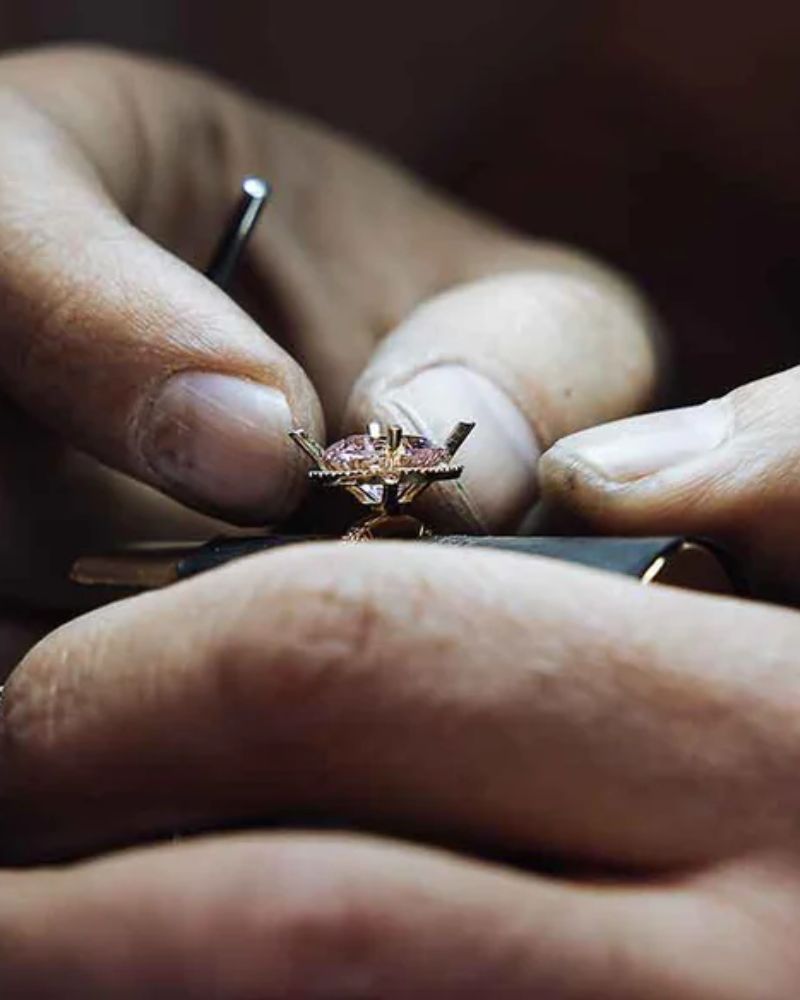
The setting determines how the stones are held in place and how much light reaches the diamonds.
Common settings in side stone rings include:
- claw setting– small claws hold each stone, allowing a lot of light to enter
- channel setting– stones lie in a row between metal edges
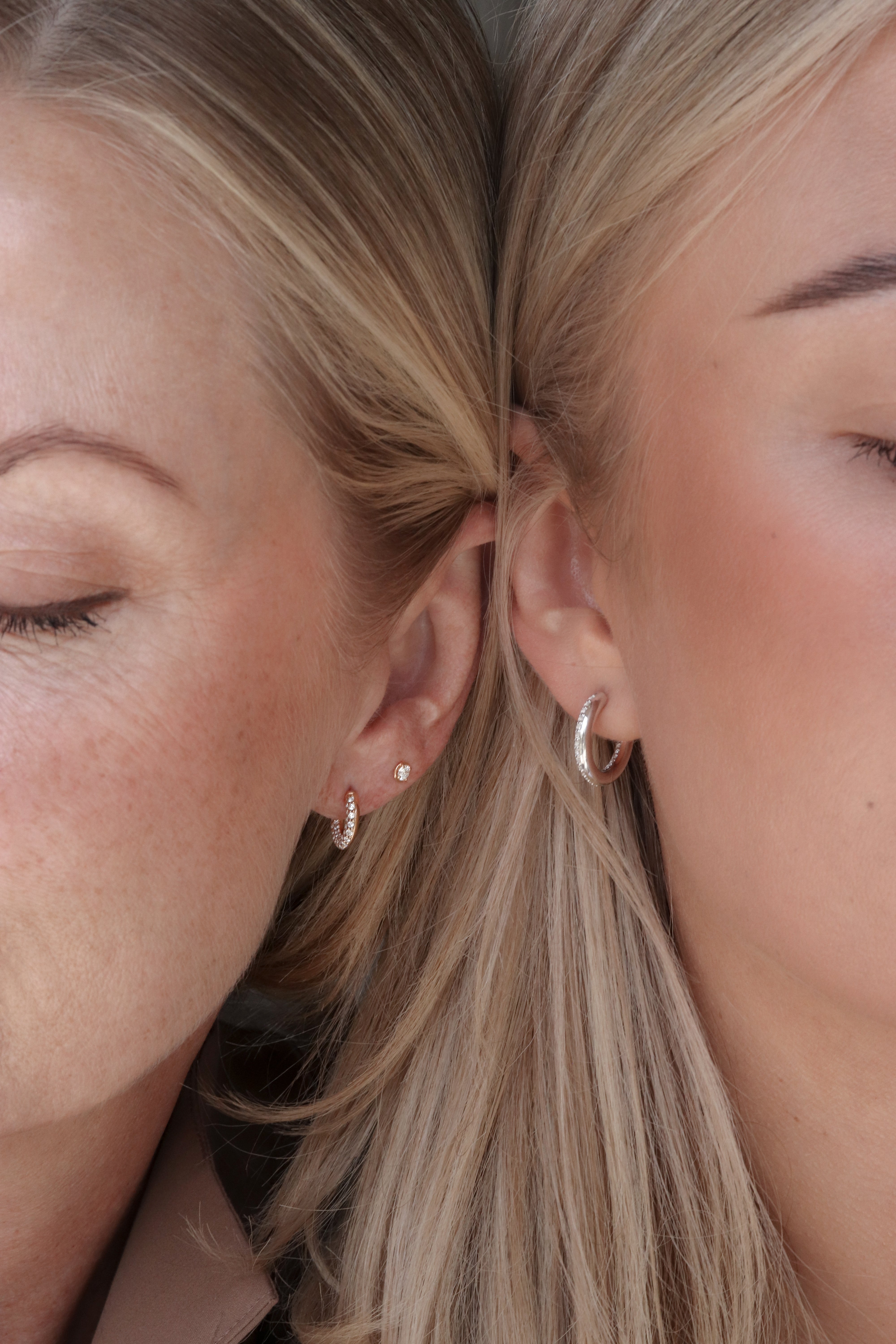
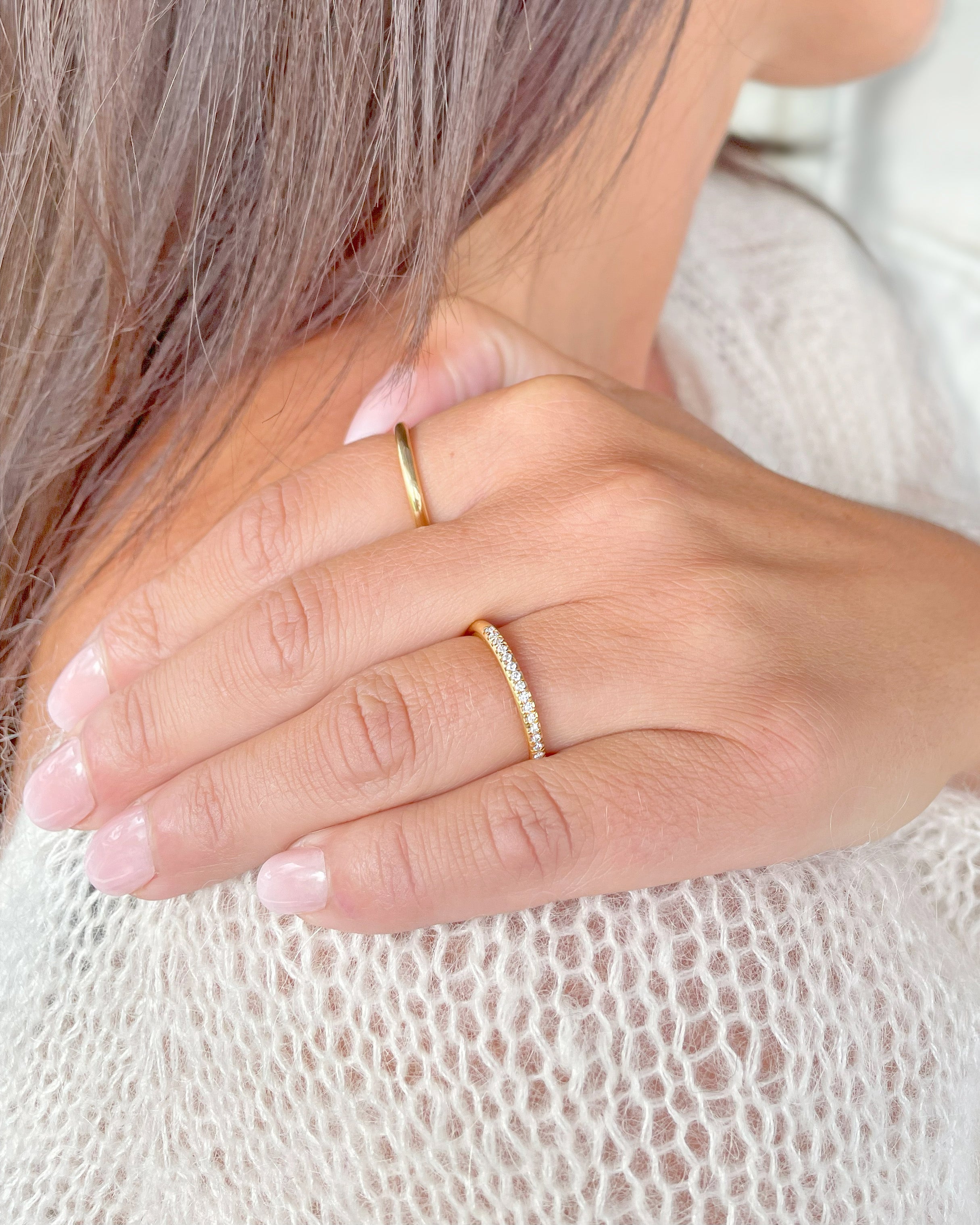
- pavé setting– several smaller stones are set closely together
The choice of setting affects both the ring's expression and its durability.
Material
Side stone rings are often made from precious metals that enhance the diamond's light and clarity.
Common materials include:
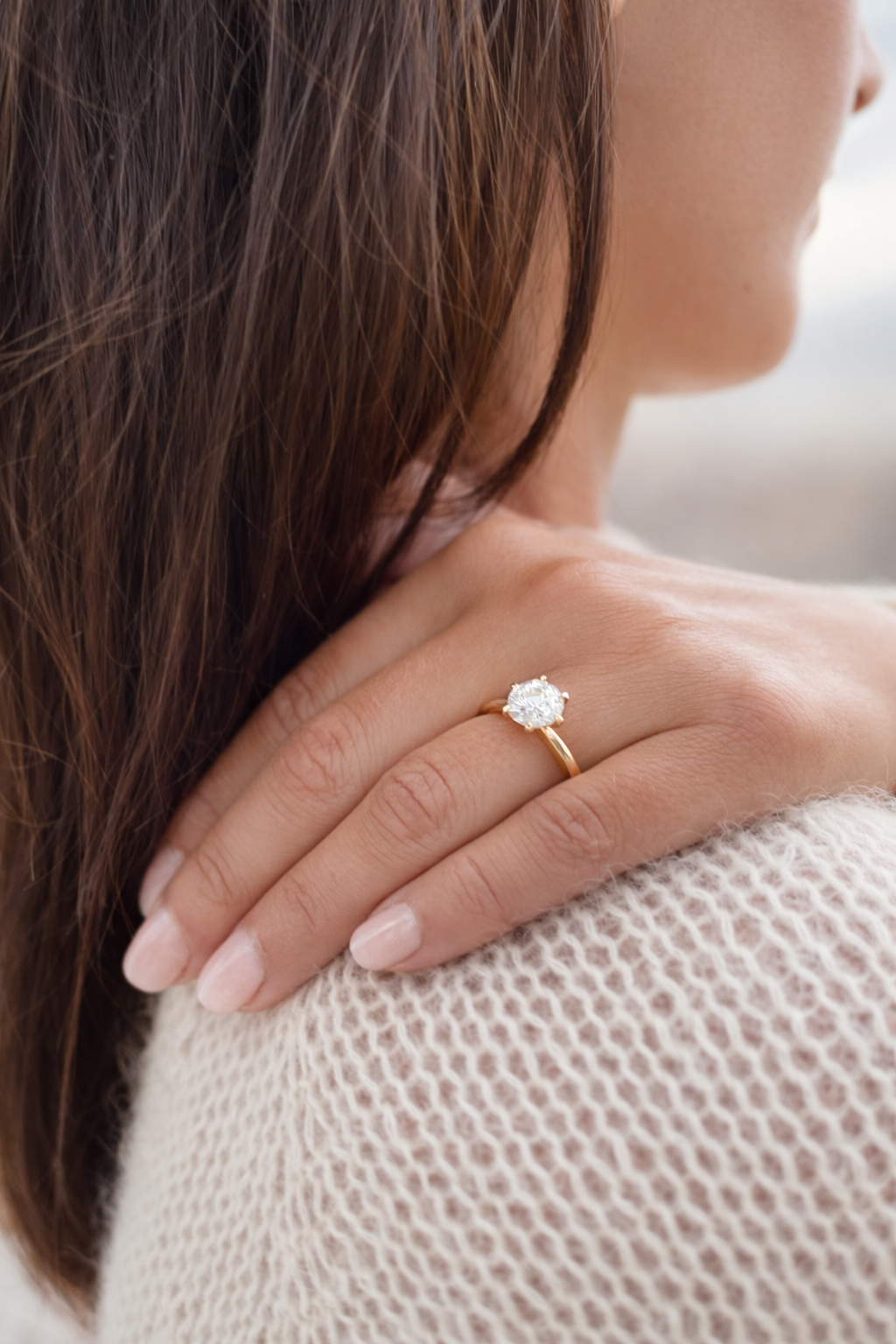
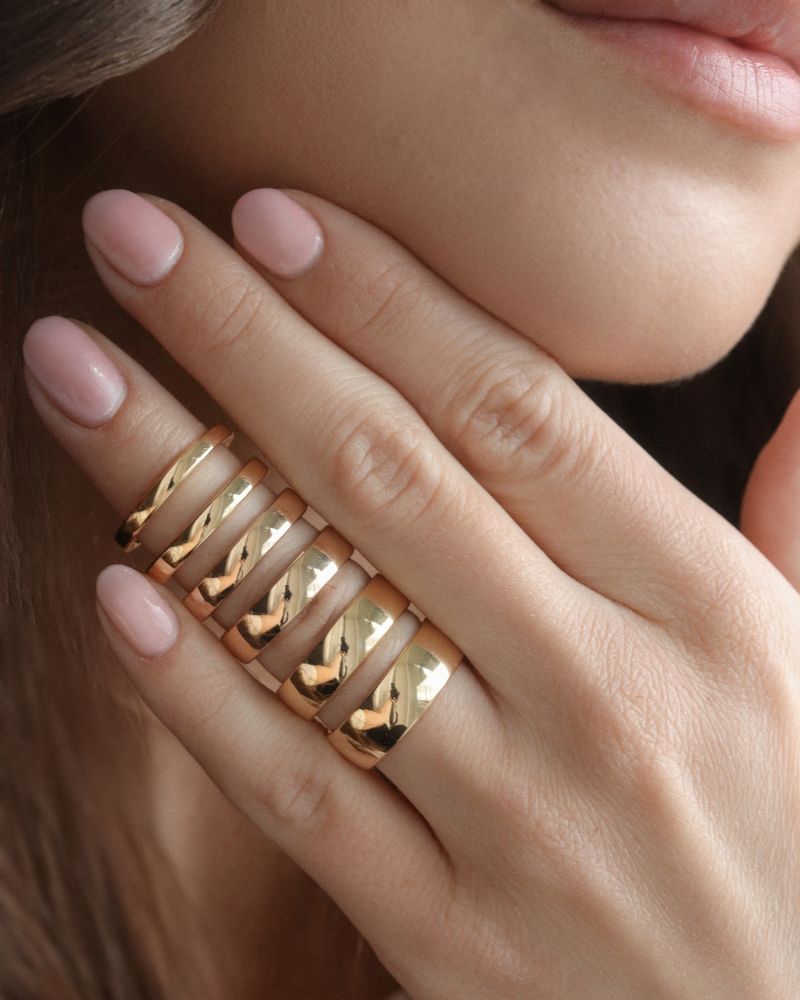
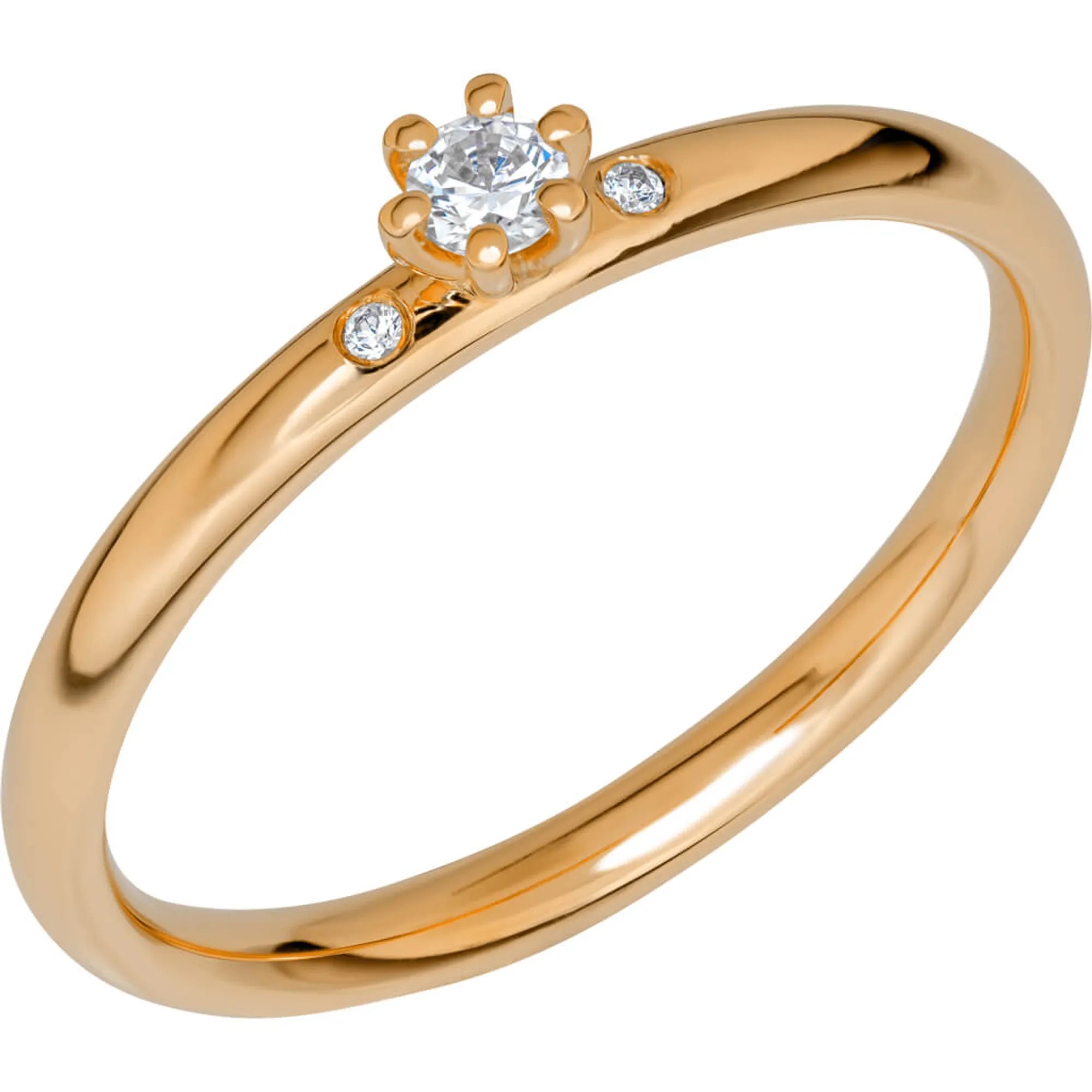
- yellow gold– warm tone and classic character
- white gold– bright metal that enhances the diamond's brilliance
- rose gold– warm color where the stones create clear contrast
The material affects the ring's color tone and how the stones appear in the design.
A Ring with a Clear Center
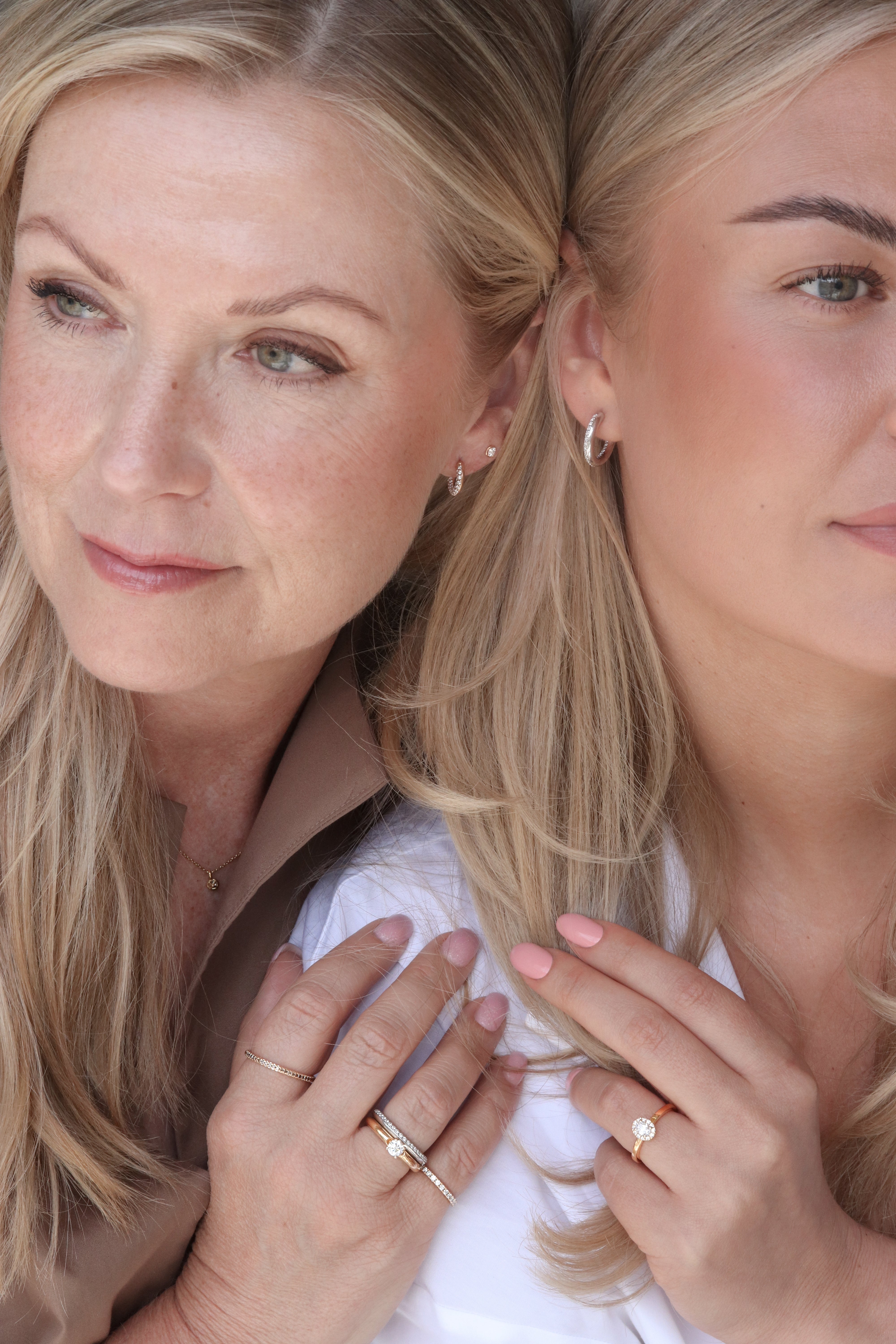
The side stone ring is a model where the center stone is in focus, while the smaller stones give the ring more depth and movement. This combination makes the design feel both balanced and expressive.
This makes the side stone ring a popular choice for those looking for a ring with multiple stones – both for


 Platinum
 White gold
 Yellow gold
 Red gold
 Rose gold
 Silver
 Titanium